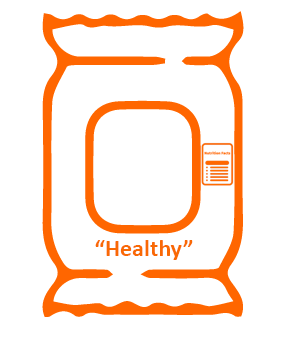
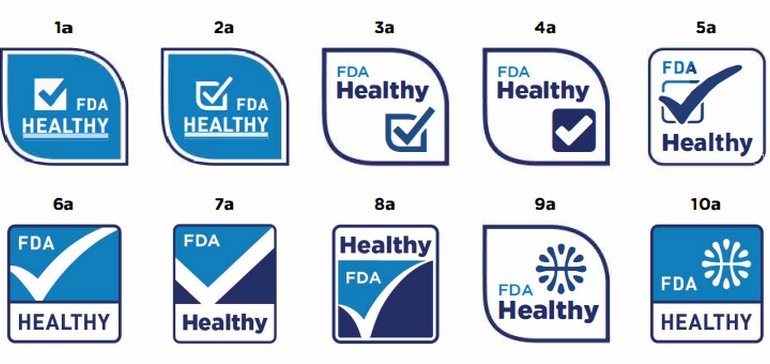
The update to the definition and study of a potential symbol for the “healthy” nutrient content claim are part of the FDA’s broader efforts to help reduce the burden of diet-related chronic diseases and advance health equity. Updating labeling and making it more accessible helps empower consumers.
Responsible marketing (RM) helps companies make products that improve people’s lives and is in line with public policies that provide a positive impact on society; an example of this is traffic light nutritional labelling (TLNL). Ecuador was a pioneer in Latin America in the mandatory implementation of TLNL. For this reason, this research aimed to analyze RM in the TLNL of food products from the perception of consumers in the urban area of Cuenca, Ecuador. Specifically, the research aimed to answer: What is the degree of consumer understanding of TLNL in the urban área of Cuenca, Ecuador? A cross-sectional investigation was undertaken, with 384 surveys conducted. A chi-square test ( 2) was performed, which showed the relationship between variables reflecting RM knowledge and the understanding and use of TLNL. An ordinal logit model (OLM) was applied, showing that the variables of education, knowledge of labeling, and knowledge of marketing were associated with a greater probability of having some level of understanding of TLNL. Finally, a binomial logit model (BLM) revealed that the variables of income level, knowledge of TLNL, illnesses, confidence in TLNL, the influence of COVID-19 on eating habits, and knowledge of marketing were associated with people being more likely to use TLNL. RM is present in the TLNL through the clear and understandable dissemination of information.
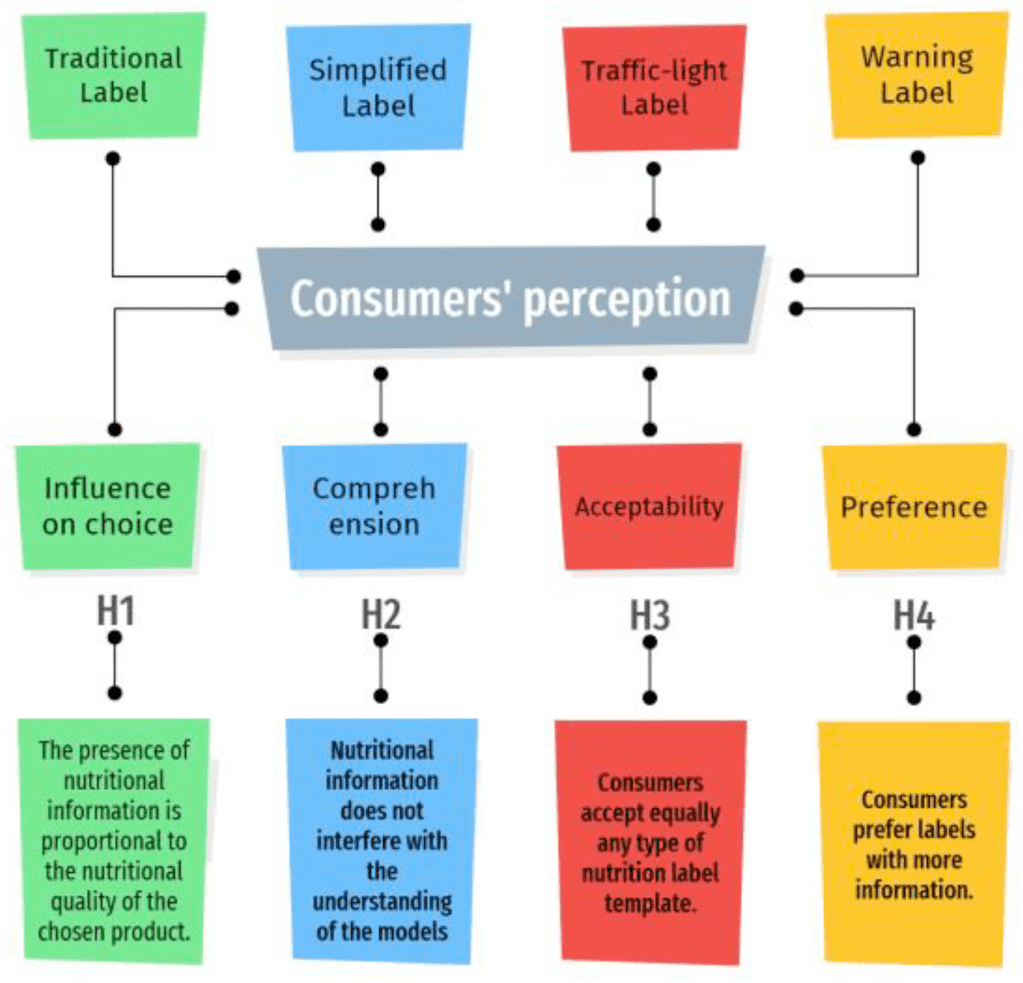
The study aimed to evaluate consumers’ perception of self-service foods’ nutrition labels. This qualitative and quantitative assessment was performed with potential consumers at food services. Four food labeling formats, traditional, simplified, traffic-light, and warning, were proposed to evaluate three types of sandwiches: simple, chicken, and hamburger. Data were collected via an online survey from April to May 2020. The study included 413 subjects. The respondents preferred the traffic-light format, but there was a good understanding and acceptability of all four models. The traffic-light and warning nutrition labeling models, which showed health warnings, led to a reduction in the choice of the Simple Sandwich and the Hamburger. Most respondents (96.1%, n = 397) agreed that it is necessary to complement the information on food labels with ingredients and the number of calories per serving. Therefore, it is essential to have legislation regulating such issues. Consumers’ choices improved with the increase in the information placed on the products.
The Ministry of Consumer Affairs has issued a set of exceptional and temporary measures to allow changes in the labeling of foods containing vegetable oils or fats in order to facilitate relabeling by the industry due to the shortage of sunflower oil due to the war in Ukraine.
The Minister of Agrarian Development and Irrigation announced that the Peruvian Association of Dairy Farmers (Agalep) has submitted a proposal to amend the regulations on milk and dairy products to establish the use of fresh milk in the production of evaporated milk in the industry.



 infoAlimentario