Colombia – First payment of tax on ultra-prepared foods in 2024

The first deadline for manufacturers of ice cream, soft drinks, sausages and other foods that exceed certain levels of fat, sugar or sodium, to pay the new tax on ultra-premium foods, will expire between January 10 and 23, 2024, according to the new tax calendar of the Dian.

The tax on these products starts at the end of the year with a rate of 10% in the case of ultra-premium products and in the case of beverages we are talking about at least 180 pesos per liter.
PAHO – Argentina is making progress in the implementation of front labeling of processed foods

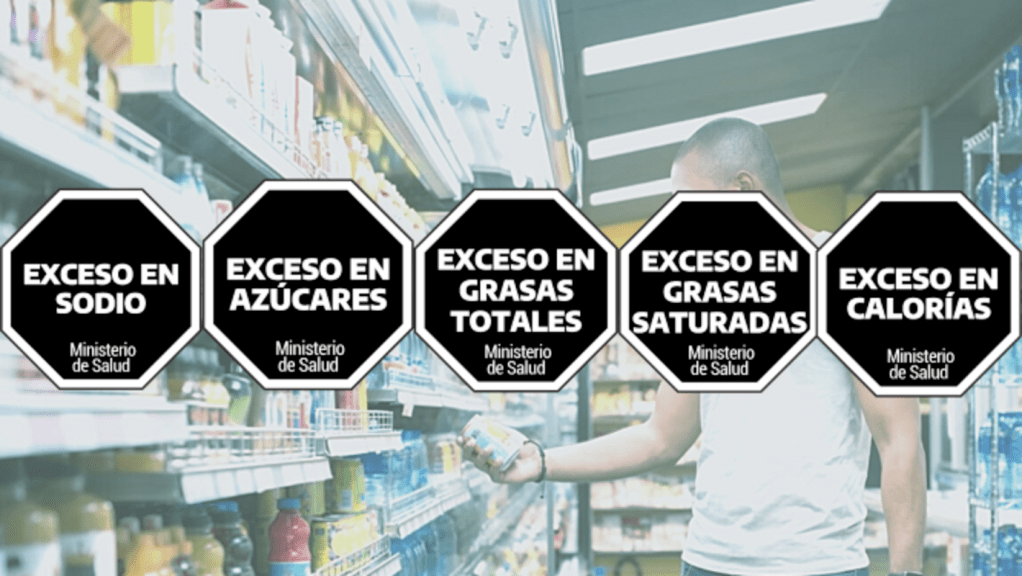
The representative of the Pan American Health Organization (PAHO/WHO) in Argentina, Eva Jané Llopis, indicated that “information on the food products we consume is fundamental to promote self-care and healthy nutrition that collaborates in the prevention of risk factors for heart disease, diabetes and some types of cancer”.

Jané Llopis explained that “poor nutrition is largely due to the wide availability and marketing of processed and ultra-processed beverages and foods that have an excessive content of sugars, fats and sodium” and one of the responses to this situation are regulations that favor the reduction of the demand for these products. In addition, they lead to an improvement in the supply of healthier foods, which implies an important health benefit for the population as a whole.

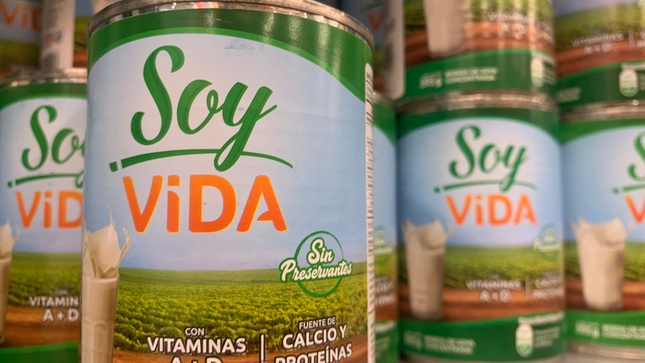
Peru – INDECOPI imposes fine on Gloria because the labeling of its product ‘Soy Vida’ would generate confusion

The company Gloria was fined in the first instance by the Consumer Protection Commission N°2 of Instituto Nacional de Defensa de la Competencia y de la Protección de la Propiedad Intelectual (INDECOPI in Spanish) for stating on the label of its product ‘Soy Vida’ of 150 gr and 400 gr the denomination ‘evaporated soy milk’ and on the 1L label ‘UHT soy milk’, misleading consumers, making them think that it was indeed evaporated milk although, due to its composition, this would not be true.

Article – Information on food additives on food labels in Brazil: a critical analysis

Questions about the safety of food additives and their consumption have been raised in recent years. The increased exposure to these substances, either by intake of ultra-processed foods or by the broad use and combination of various categories of additives, may be related to higher risks to consumer health. This article comments on the results of a study that quantified and characterized food additives found on the labels of 9,856 packaged foods and beverages available in Brazilian supermarkets. The study adopted a field diary method to record and analyze nonconformities in the lists of ingredients. The objective of this article is to discuss the use of additives identified on the labels and the limitations of Brazilian legislation, which should guarantee the right to information and health.

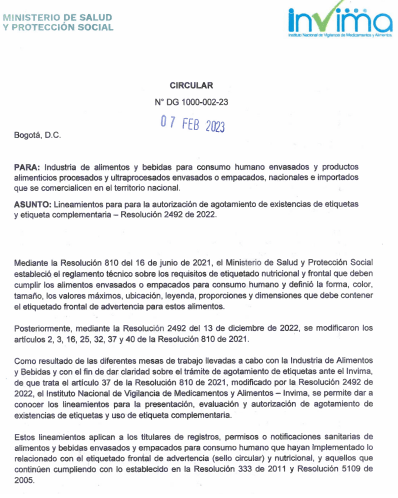
Colombia – Exhaustion of labels according to Resolution 2492 of 2022

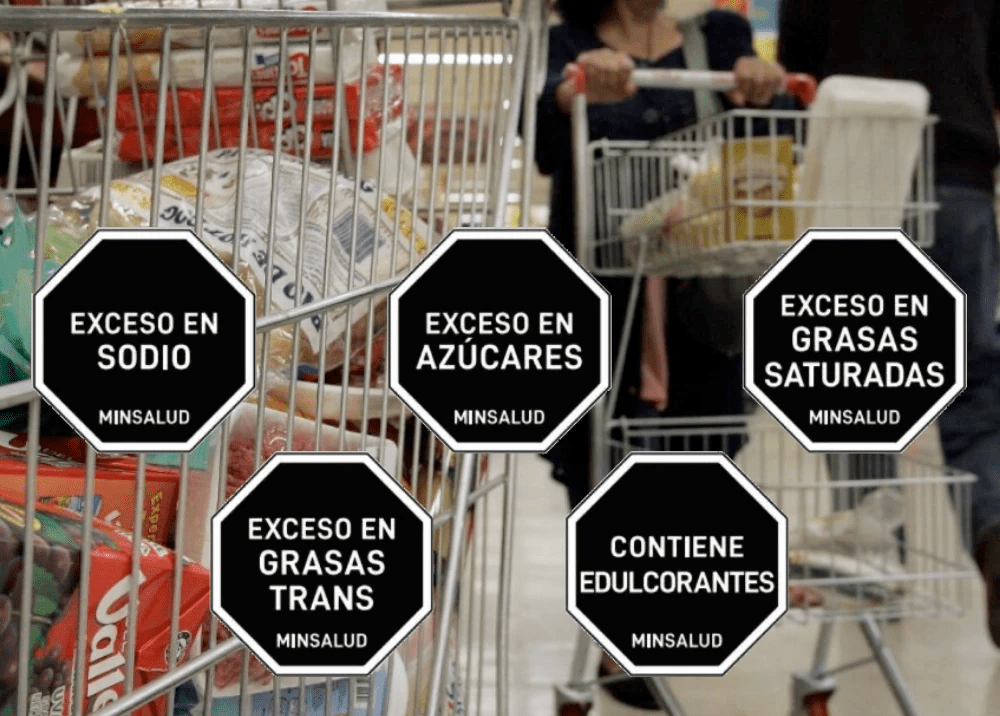
Through resolution 810 of June 16, 2021, the Ministry of Health and Social Protection established the nutritional and front labeling requirements that canned or packaged foods for human consumption must comply with, defining the shape, color, size, maximum values, location, legend, proportions and dimensions that must be contained.

After this, by means of resolution 2492 of December 13, 2022, some articles were modified and as a result of different work tables, in order to process the exhaustion of labels before the National Institute of. Surveillance of Medicines and. Food (INVIMA in Spanish) modifying article 37, the entity released the guidelines for the presentation, evaluation and authorization of label stock depletion and use of complementary labels.

INVIMA reminds that the process of label exhaustion according to resolution 2492 of 2022 can only be done until February 28th.