Chile – Draft food additive amendment and technical standard for food additives

This proposal has been prepared by the Advisory Working Group on Food Additives (03 February 2021, Exempt Decree No. 08, Ministry of Health). For its preparation, a “Food Classification System” has been established based on the principles of the Codex Alimentarius, adapting some of its headings, definitions and examples to the national reality and specifically to the provisions of DS 977/96, in order to allow the use of food additives in each food category.

The descriptors of the food categories established in the Technical Standard on Food Additives are not intended to be legal designations of the products for labeling, but serve to validate the additives and limits that are allowed in them. Likewise, the Food Category System is hierarchical in nature, which means that when the use of an additive is recognized in a general category, such use is recognized in all its subcategories, unless otherwise indicated.

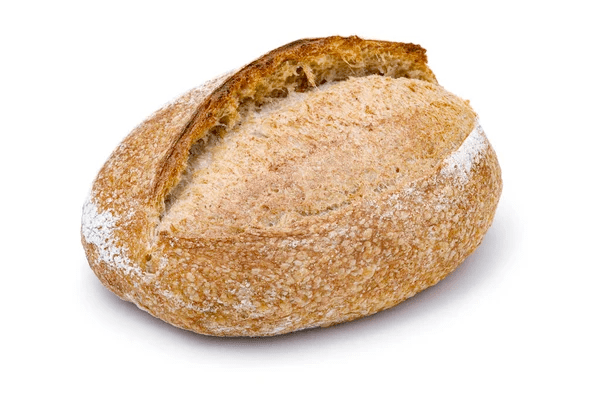
Argentina – Amendment to allow to include in the labeling of bread: Artisanal Bread

Article 725 tris is hereby incorporated into the Argentine Food Code (AAC) and shall be worded as follows: “Article 725 tris: The label of the different types of bread defined in this Chapter may include the legend “Bread… of Artisan Production”, indicating the name of the bread in question, provided that they comply with the following requirements:
a. That the elaboration is carried out preferably by means of manual processes; or by minimally mechanized, semi-automatic processes; and always under the control of an operator.

b. The production system shall be discontinuous and daily production.

c. If yeast is included, it must be wet yeast and in accordance with the definition in Article 1256 of this Code.

d. The fermentation process shall not be automated and if fermentation chambers are used, they shall be handled by an operator. The fermentation process must be discontinuous with a minimum time of 2 hours.

Brazil – Government eliminates import tax on food supplements

President Jair Bolsonaro (PL) announced, that the federal government reduced to zero the import tax on food supplements, such as protein concentrates (like Whey Protein), creatine, multivitamins and other sports nutrition products to help people who exercise.

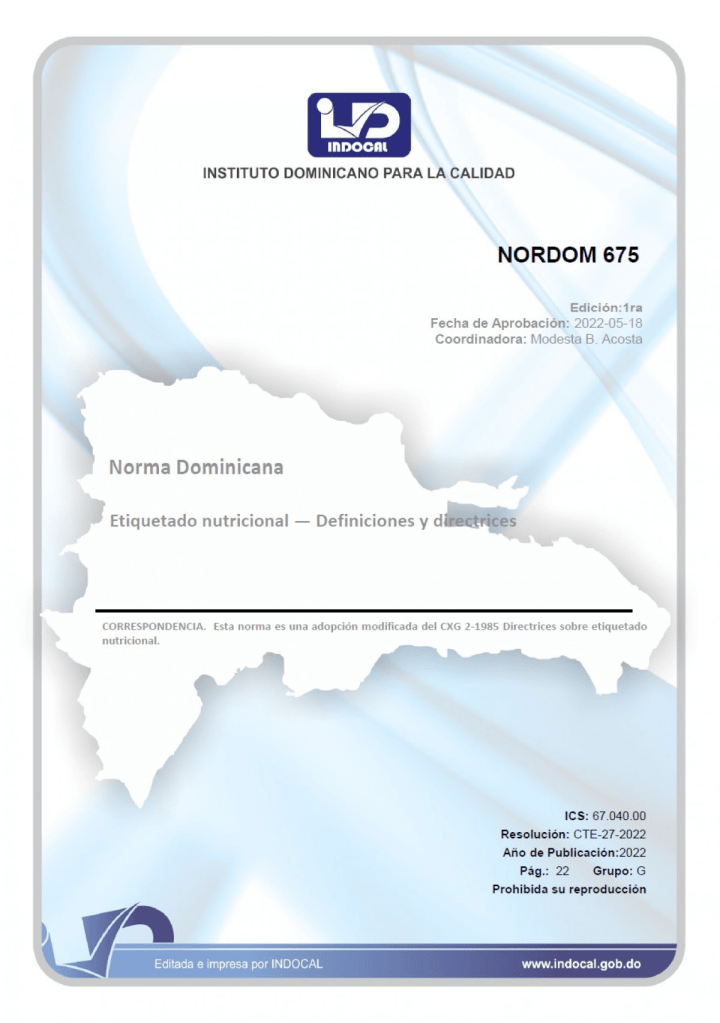
Dominican Republic – new NORDOM for Nutritional Labeling

The Dominican Institute for Quality (INDOCAL) made available to the public and the national productive sectors a Dominican standard (NORDOM 675) for nutritional labeling, which will help facilitate access to relevant information on products for local consumption, in order to encourage the application of quality nutritional principles in the preparation of food, for the benefit of public health.
NORDOM 675 ensures that nutrition labeling does not present false, misleading, deceptive, or meaningless information about a given product in order to provide an effective means for consumers to make informed purchasing decisions.

Brazil – Project to ban the use of titanium dioxide in food manufacturing

Bill 2257/22 was introduced in the Chamber of Deputies, which prohibits the use of titanium dioxide in the manufacture of food, as well as the importation of articles containing this substance. The text under analysis in the House establishes that any non-compliance with the regulations will be a violation of federal health regulations (Law 6.437/77).

Titanium dioxide is a chemical compound, derived from a natural mineral, used as an industrial colorant, among other purposes. Currently, this use is authorized in Brazil by the National Health Surveillance Agency (Anvisa).

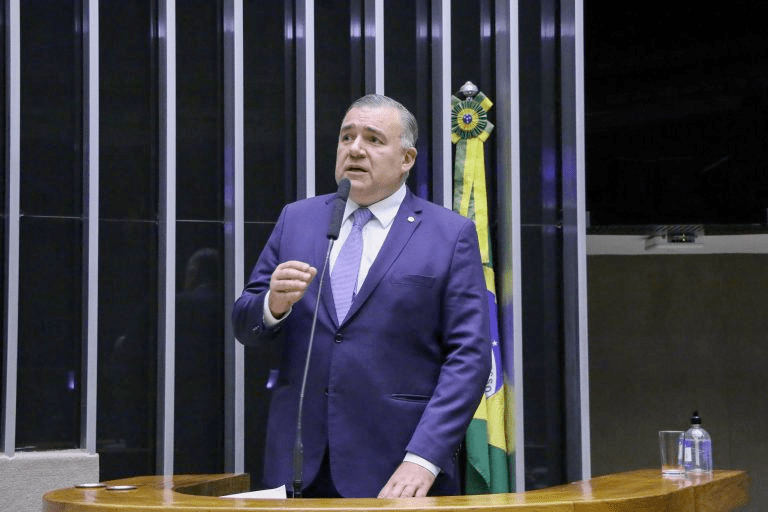
According to the author of the proposal, Deputy Ney Leprevost (União-PR), in the case of the use of titanium dioxide in food, studies indicate the potential to cause inflammatory lesions in the intestinal tract of experimental animals.

A proposal with similar content (PL 1370/11) passed through the House for two legislatures and was even approved by the Committee on Environment and Sustainable Development, but ended up shelved in 2019.