Following up on the findings obtained from the Quality Study carried out by the National Consumer Protection Laboratory on ham, according to which 13 of the 40 products analyzed do not comply with the Official Mexican Standard, the head of the Federal Consumer Protection Agency, Iván Escalante Ruiz, announced that the corresponding notifications will be made to the competent authorities.
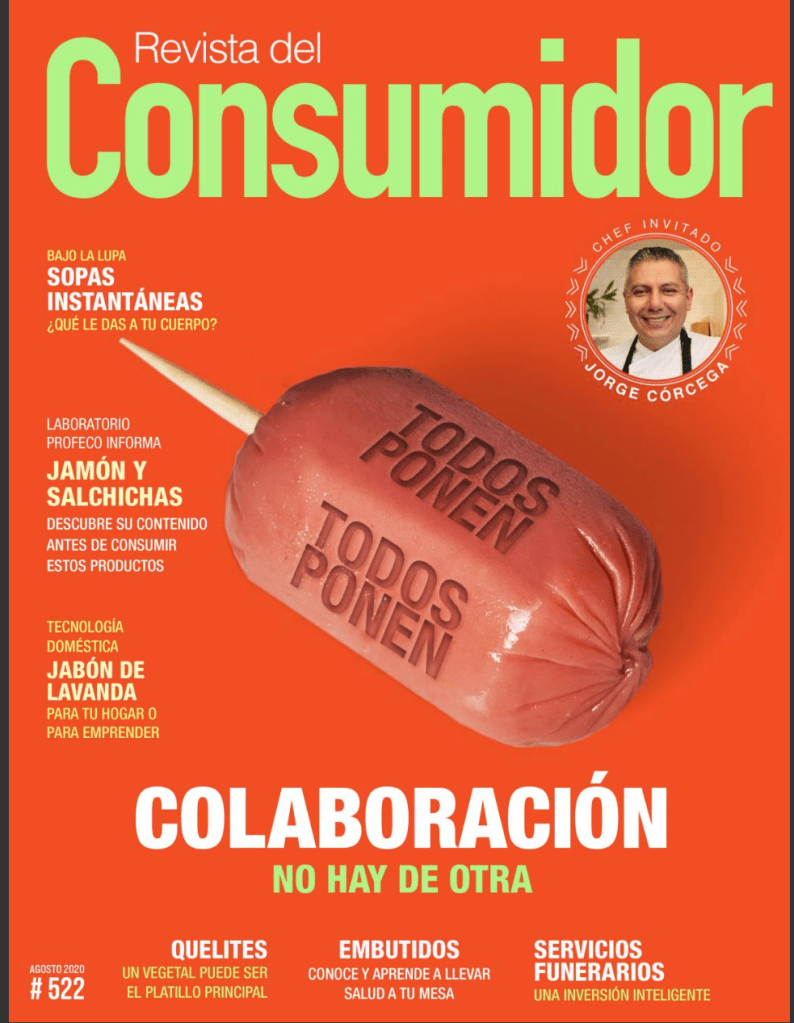
During his participation in the Mañanera del Pueblo conference, the public servant indicated that official notices will be sent to the Federal Commission for the Protection (PROFECO in Spanish) against Sanitary Risks (COFEPRIS in Spanish) and to the Ministry of Agriculture and Rural Development to inform them of the results published in the July edition of the Consumer Magazine.
He added that, starting this week, they will be reviewing the characteristics of the labeling and possible non-compliance with laws and regulations that may result in Proceedings for Violations of the Law (PIL).
The characteristics of the products that could result in immobilizations and even in the withdrawal of these foods from the market, due to the declaration in their labeling of untruthful and misleading information for the consumers, will also be monitored.
He explained that the Laboratory analyzed 40 products, of which 13 are outside the Standard that regulates hams, NOM-158- SCFI-2003, which defines the characteristics that ham must have in order to be called ham.
 infoAlimentario