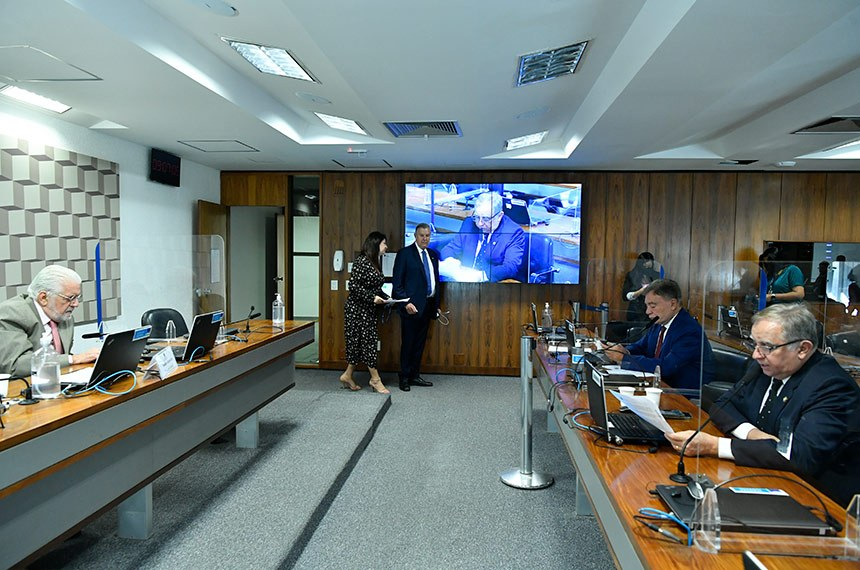
The Environment Commission (CMA) approved a bill prohibiting the production and commercialization of food products obtained by force-feeding animals – such as foie gras, the name given to duck or goose fatty liver, a typical delicacy of French cuisine. The matter (PL 90/2020) was voted in finality and remains for the analysis of the House of Representatives, if there is no appeal for a vote in the Plenary of the Senate.
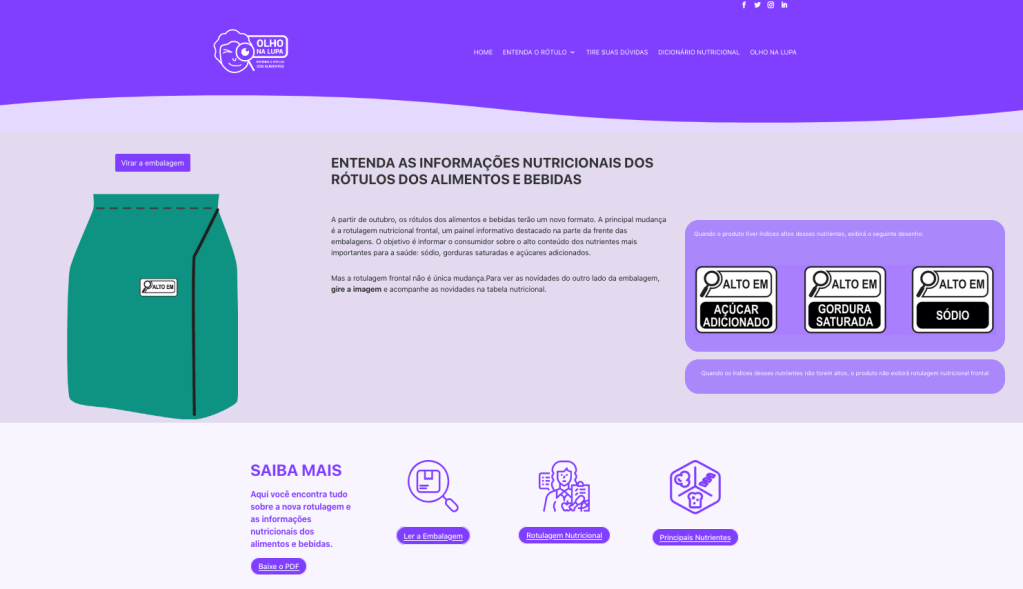
Since April, Brazilian consumers will have access to a digital educational platform dedicated to explaining how to read and understand the information on food labels. Olho na Lupa, composed of the website http://www.olhonalupa.com.br and profiles on social networks, is an initiative of 11 associations representing the food and beverage and retail industry.
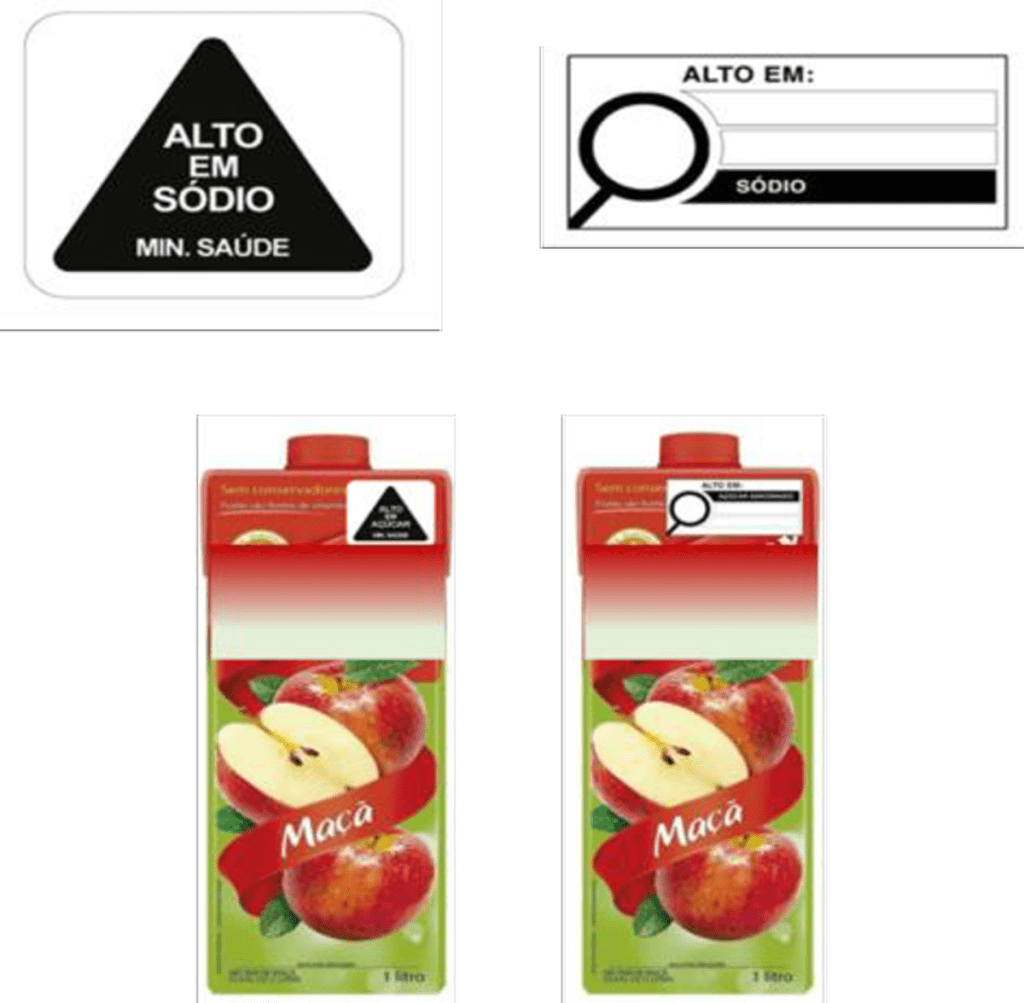
This study compares the effectiveness of different front-of-package label designs in a Brazilian sample (n = 1384). Eligible adults were randomized to one of two study arms and viewed images of snacks with either a triangular warning label (TL) or a rectangular ‘high in’ label with a magnifying glass (ML). They responded to a series of questions that captured label usefulness, understanding, and purchase intentions. Compared to participants in the ML arm, those in the TL arm agreed that the TL communicated important information [Mean (SD) – 5.47 (0.07) vs 4.49 (0.08), p-value <0.001], was a useful tool [Mean (SD) – 6.12 (0.06) vs 5.75 (0.07), p-value <0.001], and was easier to understand as measured subjectively [Mean (SD) – 4.96 (0.07) vs 4.44 (0.08), p-value <0.001]. However, both the TL and the ML performed similarly in communicating nutrient information as measured by the objective understanding of nutrient content [57.09% vs 54.65%, p-value 0.259]. The ML performed marginally better at improving purchase intentions [Mean (SD) – 2.57 (0.07) vs 2.79 (0.08), p-value <0.049]. The current study adds to the growing evidence base on the pathways through which FoP labels, particularly ‘high in’ labels, might influence consumer perceptions and behavior. It is also one of the first studies to provide evidence on the utility of the ML design for Brazil.
To help consumers understand the nutritional information on food labels sold in supermarkets, a group of researchers from the School of Pharmacy developed the RotulApp application. Through product barcodes, RotulApp verifies the presence of excess nutrients, such as sugars; saturated fats and sodium in processed and ultra-processed foods. The feature is free and available for Android devices.
In addition to improving sanitary control and expediting inspections, the measure responds to the need to maintain social distance during the pandemic.
In practice, the measure will cover all imported goods and products subject to sanitary surveillance, being able to replace in-person inspection, at the discretion of the sanitary authority, in all types of imports. This means that consents will be carried out remotely by the Agency’s servers, but may also be carried out in person at stations installed at ports and airports, when necessary.
 infoAlimentario