Libraries are documents that compile all current regulations on a specific broad topic, organized by subject. Their purpose is to facilitate access to and understanding of the regulatory body for both internal and external audiences, as well as to improve the process of drafting and revising regulations.
Brazil – Working group of the Chamber of Deputies proposes an urgent control of dietary supplements
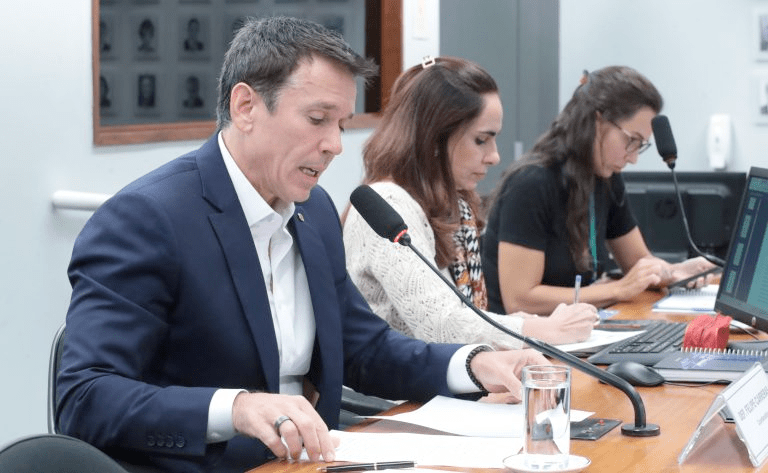
The Working Group of the Chamber of Deputies, responsible for analyzing the marketing of dietary supplements, approved a report proposing an urgent reform of the sector. The document recommends the expedited processing of three bills aimed at increasing health control and sanctions related to fraud and misleading advertising.
The bills in question are: PL 5229/25, by Pedro Paulo (PSD-RJ); PL 5319/25, by Tabata Amaral (PSB-SP); and PL 6000/25, by Mário Heringer (PDT-MG). The coordinator of the group, Deputy Felipe Carreras (PSB-PE), highlighted the seriousness of the current situation, stating that “the scenario of total insecurity regarding the consumption of dietary supplements in Brazil demands urgent measures.”
Currently, most supplements do not require health registration, according to Anvisa’s resolution (Resolution 240/18), which is based on prior notification, assuming the manufacturer’s good faith. The current sanctions, according to Law 6.437/77, are limited to fines and batch withdrawals, which are insufficient to address serious frauds, such as ingredient adulteration and the use of prohibited substances.
Brazil – ANVISA announces that the materials from the sectorial dialog on dietary supplements containing turmeric are now available
The National Health Surveillance Agency (ANVISA in Portuguese) held a virtual sectoral dialog on dietary supplements containing turmeric-derived ingredients on March 17, 2026. The meeting brought together 696 participants from different sectors of society and aimed to present the regulatory proposal on the topic, clarify doubts, and gather contributions from stakeholders.
During the meeting, the international and national context related to the use of ingredients derived from Curcuma longa L. was addressed, including safety evidence, monitoring data, and current usage conditions in dietary supplements. The main proposed modifications to Normative Instruction No. 28/2018 were also presented, focusing on the inclusion of warnings on the labeling and the clarification of curcumin limits. During the participation phase, aspects such as the scope of the proposal, the interpretation of regulatory limits, the repercussions on already regulated products, and the adaptation period were addressed, in addition to technical issues related to the safety and use of these ingredients.
Anvisa provides the following materials for consultation and monitoring of the issue:
Colombia – Business owners will now be able to transfer the ownership of their marketing authorizations thru InvimÁgil
The National Institute for Food and Drug Surveillance (INVIMA in Spanish) announced the activation of a new feature on its InvimÁgil platform, allowing the assignment or transfer of ownership of marketing authorizations for the food and non-alcoholic beverage sector.
This tool represents a significant advancement in the modernization of the institute’s services, offering a formal, traceable, and efficient mechanism for a company holding a registration, permit, or notification to fully and definitively transfer the marketing authorization to another national company duly registered on the platform, with the rights and obligations this entails in accordance with current health regulations.
Main characteristics of the process:
- The procedure is initiated exclusively by the current holder.
- The system verifies in real-time that there are no appeals, active procedures, or pending administrative actions that would hinder the process.
- Once the application is submitted, the new holder receives an automatic notification and has a period of five (5) business days to accept or reject the transfer.
- At the end of the process, the administrative act with a digital signature is automatically generated, also transferring all the documentary history and administrative actions associated with the product.
PAHO – Best Practices for Front-of-Package Food Labeling in the Americas Region
The Pan American Health Organization (PAHO) has published a report on “Best Practices for Front-of-Package Food Labeling in the Americas Region.”
The report evaluates the degree of alignment of the implemented regulatory frameworks with best practices for the application of this policy, in accordance with scientific evidence and PAHO recommendations, analyzing the essential elements of front-of-package labeling systems in terms of graphic design, the criteria for identifying products susceptible to front-of-package labeling, and the prohibitions on the packaging of products that bear front-of-package labeling. To develop the analysis, standardized parameters and expert review were used. The results show significant progress in countries like Argentina, Colombia, and Mexico, while also identifying gaps and opportunities to strengthen regulation in the Region, both in countries that are already implementing it and in countries that are in the process of development. Similarly, the analysis highlights the use of the OPS Nutrient Profile Model as a key tool for identifying products that are subject to front-of-package labeling. This publication constitutes a key resource for policymakers and public health actors committed to improving food environments and preventing non-communicable diseases.
 infoAlimentario