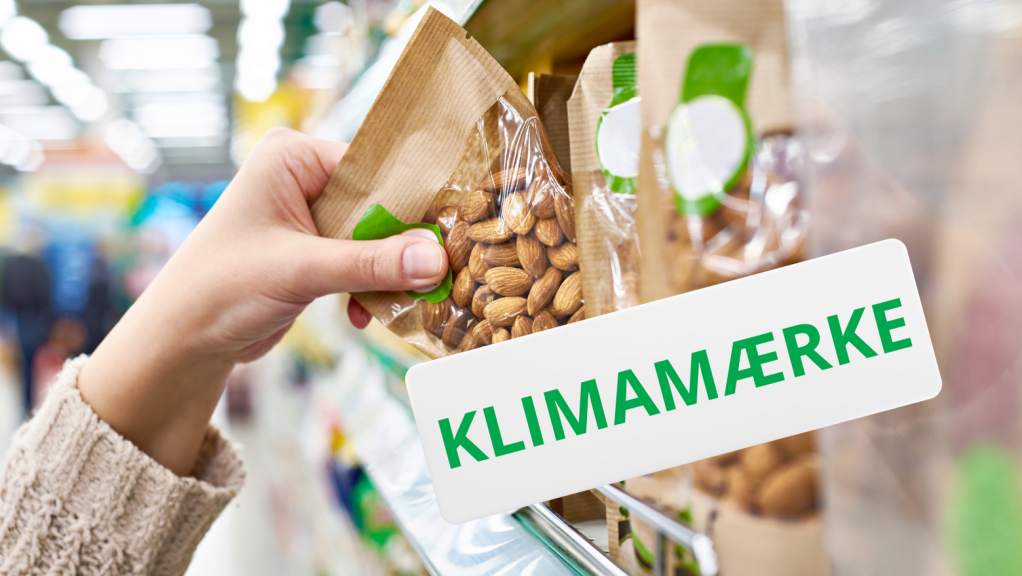
Around the World – Denmark: Government proposes to create a climate label for foodstuffs

The Danish Minister of Food, Agriculture and Fisheries announced an investment of 1.2 million euros for the development of the new labeling whose proposals will be presented later this year. The idea is to have a unified climate label that is controlled by the state, and in which consumers can trust, thus avoiding the presence of a wide variety of labels that only confuse.
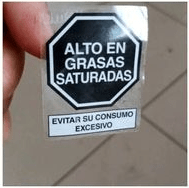
The Americas – Peru: Importers may use the Front of package warning labels octagons by means of stickers

The Commission on Dumping, Subsidies and Non-Tariff Trade Barriers of the National Institute for the Defense of Competition and Protection of Intellectual Property (INDECOPI in Spanish) Indecopi, through Resolution No. 73-2022/CDB-INDECOPI, declared as a non-tariff trade barrier the prohibition of the use of stickers with advertising warnings that must be consigned on imported processed foods and soft drinks.

Articles – Mexico: Evaluation of the Mexican warning label nutrient profile on food products marketed in Mexico in 2016 and 2017: A cross-sectional analysis

Different nutrient profiles (NPs) have been developed in Latin America to assess the nutritional quality of packaged food products. Recently, the Mexican NP was developed as part of the new warning label regulation implemented in 2020, considering 5 warning octagons (calories, sugar, sodium, saturated fats, and trans fats) and 2 warning rectangles (caffeine and non-nutritive sweeteners). The objective of this cross-sectional study was to evaluate the Mexican NP and other NPs proposed or used in Latin America against the Pan American Health Organization (PAHO) model.

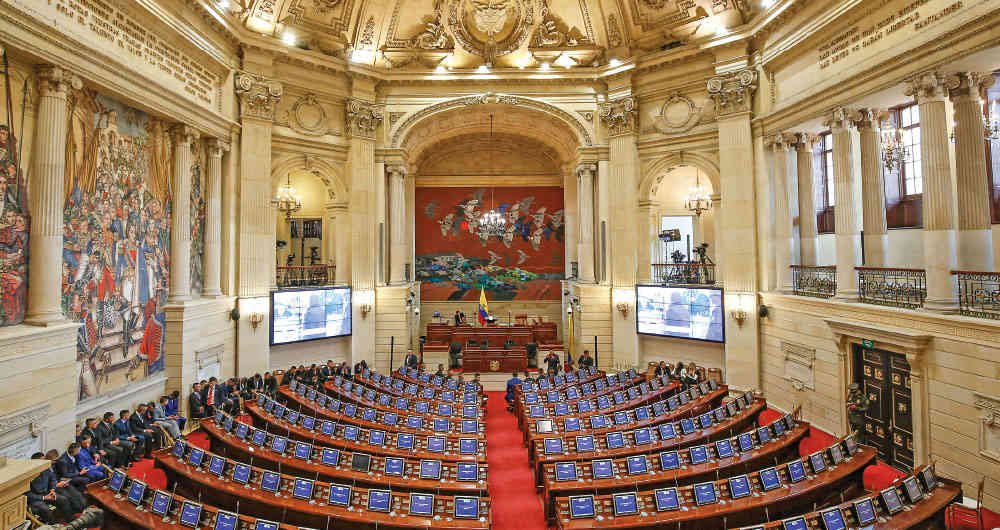
The Americas – Colombia: Congress summons Health Minister for delay in front-of-pack labelling regulation

The Minister of Health, Fernando Ruiz, is summoned to a political control debate to answer for the delay to implement the front labeling of food contemplated in Law No 2120 of 2021 on “measures to promote healthy food environments and prevent non-communicable diseases and other provisions are adopted”.
The Act mandates that the Ministry adopt the labeling model that has the most scientific evidence free of conflict of interest. That model is the hexagonal warning model as indicated by all academics and organizations, a model that is used in more than 20 countries in the world, and especially in our region in countries such as Chile and Mexico.

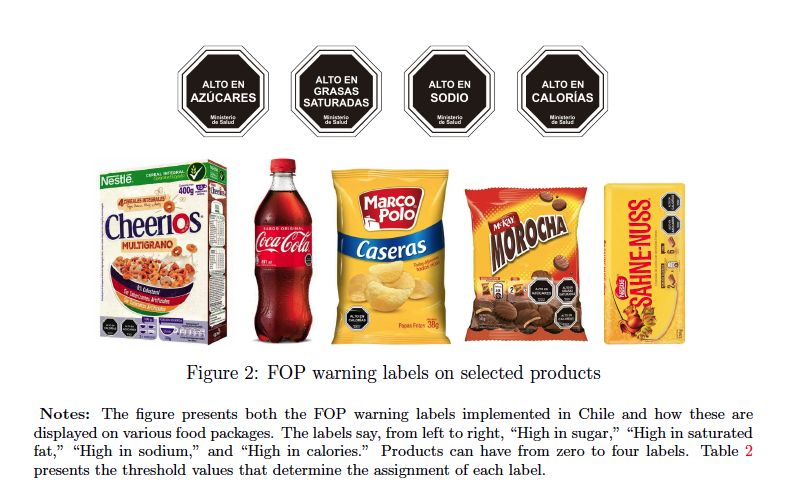
Articles – Chile: On the Design of Food Labeling Policies

We study a regulation in Chile that mandates front-of-package warning labels on products whose sugar or caloric concentration exceeds certain thresholds. We document an overall decrease in sugar and caloric intake of 7-9%. To unpack the underlying mechanisms, we provide descriptive evidence of the impact of the policy on consumer choice, both across and within categories and firms’ behavior. We  find no noticeable substitution of products across food categories and show that most of the demand effect of the regulation comes from within-category substitution. We also find that a substantive portion of the overall effect comes from product o reformulation. We discuss how these  findings can inform the design of effective labeling policies.