Draft Decree repealing the Articles of Chapter 29 of the National Bromatological Regulations. The notified text repeals certain Articles of the National Bromatological Regulations and incorporates Section 2 – Lactose-free, low-lactose and reduced-lactose foods into Chapter 32 (“Food for special purposes”) of these Regulations.
Uruguay: Draft Decree amending Chapter 16 (Milk and milk products) of the National Bromatological Regulations
The notified draft Decree amends Chapter 16 of the National Bromatological Regulations related to flavoured milk, milk with added ingredients and milk drinks.
Brazil: MAPA establishes quality and identity requirements for roasted coffee
Ministry of Agriculture, Livestock and Food Supply – MAPA issued SDA Ordinance No. 570, 9 May 2022, which establishes the official standard for classifying roasted coffee, regarding identity and quality requirements, sampling, presentation mode and marking or labelling related to
product classification.
Brazil: Draft regulation that prohibits the production and sale of food products obtained by forced feeding of animals
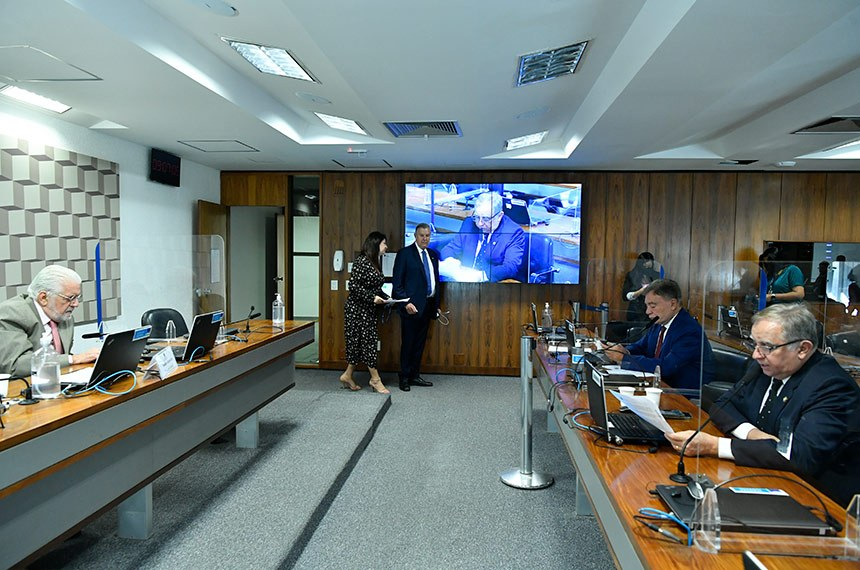
The Environment Commission (CMA) approved a bill prohibiting the production and commercialization of food products obtained by force-feeding animals – such as foie gras, the name given to duck or goose fatty liver, a typical delicacy of French cuisine. The matter (PL 90/2020) was voted in finality and remains for the analysis of the House of Representatives, if there is no appeal for a vote in the Plenary of the Senate.
Brazil: Technical Regulation on identity and quality of refined vegetable oils in force
Ministry of Agriculture, Livestock and Food Supply (MAPA in Portuguse) Ordinance No. 418, 30 March 2022. MAPA Ordinance No. 418 Amends Annexes I, I* and III of Normative Instruction No. 49 of 22 December 2006, which approves the technical regulation on identity and quality of refined vegetable oils; sampling; complementary procedures; and the classification route for refined vegetable oils.
This Ordinance becomes effective on May 2, 2022.
 infoAlimentario