By Resolution S/n the Ministry of Public Health (MSP in Spanish) approves the Manual for the application of the front food labeling (2.482*R).
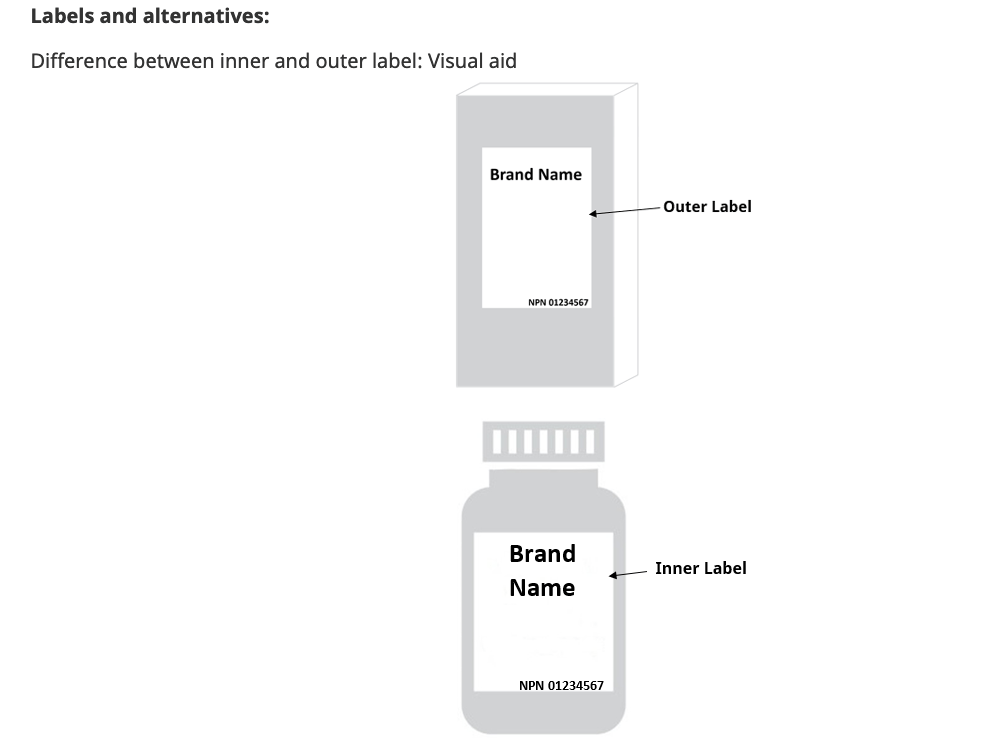
Canada: Guidance document: Labelling of natural health products
This is a guidance document and should be read in conjunction with the Natural Health Products Regulations as well as the proposed regulatory changes to the Natural Health Products Regulations to improve the labelling of natural health products.
Final paper – Brazil: Nutritional labeling in Brazil: history and perspective
The adoption of alternative labeling models to improve the effectiveness of information presented to food consumers has been occurring in Brazil and worldwide due to the increased prevalence of chronic non-communicable diseases, in addition to the existence of scientific evidence that the nutritional table is difficult to see, understand and use for most consumers. In this context, the objective of this narrative review is to present the history, motivations, objectives, and perspectives related to changes in nutrition labeling legislation planned for 2022 in Brazil. The sample consisted of 98 references searched in the Scielo, Capes and Google Academic databases, using the descriptors “labelling”, “nutrition labeling”, “front nutrition labeling” and “front labeling”, “Impacts of nutrition labeling”, ” new nutritional table”. The first regulation on the labelling of packaged foods emerged in 1969, but it was only in 1998 that nutritional labeling was regulated in Brazil. Since then, new legislations have been published and improved over the years, culminating in the publication in 2020 of Collegiate Resolution number 429 and Normative Instruction number 75, which bring greater rigor to the standard of the nutritional table and implement the nutritional frontal labeling in loupe format. After the implementation of these legislations, positive impacts are expected in the reformulation of products, in the understanding of the labeling and composition of foods by the population, consequent healthier food choices and improvement in the population’s epidemiological profile in the long term.
Article – Mexico: Analysis of public policy in the regulation of genomics and transgenic products in Mexico
In this work, as a start, a review of the definitions of genomics, transgenics, and public policies is presented; the difference of each one is presented, an analysis is created in public policies on genomics and transgenics; The problem of its regulation in Mexico is described, and some ethical controversies that arise from the possible applications in Mexico and that come out of the legal regulatory norms in Mexico are discussed.
It talks about the general problems in creating laws with respect to genomics and transgenic issues, to later explain why society it is difficult to identify and understand these terms; The lag in this type of technology in Mexico is described, indicating the possible changes necessary in the regulations and some essential points that are mentioned in the norms that allow its regulation and sanction the possible damage due to the use of transgenic and genomic products.

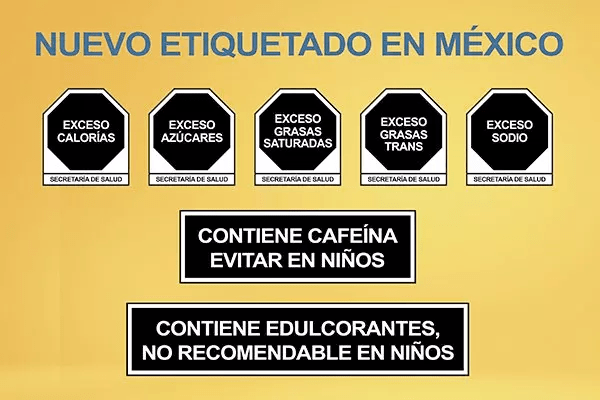
Article – Mexico: Impact of purchasing behavior in food with front-of-pack warning signs
Given the abundance of food products high in critical nutrients, front-of-pack warning signs were implemented in them with the objective of providing information to the consumer that helps them choose healthy foods. Objective:To describe the published findings on the results of front-of-pack warning signs of prepackaged foods in the purchasing behavior of the Latin American population from a systematic review of scientific production. Material and method:Systematic review according to PRISMA recommendations, search carried out in EBSCO, REDALYC, Scielo and Siicyt databases. Results:We identified and consulted 32 studies, 9 of which were included for providing results on the impact of front-of-pack warning signs. Conclusions:The warning signs in frontal labeling had a positive effect on the choice of healthy foods, with variable results in the dimensions of purchase and consumption. Locally representative studies are needed to identify the most effective labeling format for each population. The implementation of warning signs as public health policy should be accompanied by a framework of strategies that improve access to healthy food and education for the general population.
 infoAlimentario