Objective: To know the characteristics of misleading advertising in the food industry as a strategy to encourage consumption even with the enactment of the junk food law – 2021. Method: Qualitative, descriptive research is carried out with a family from the municipality from Pitalito in the department of Huila, the instrument used was the interview. Results: The calorie intake of ultra-processed foods is an indicator of nutritional quality, these foods have a lower nutritional quality than fresh or minimally processed foods combined. Discussions: Nutrition messages that appear on food labels deserve special attention, due to misinformation and misleading advertising. Junk Food Project 167 of 2019 is aimed at improving this information. Conclusions: It is necessary for the food industry to guarantee the full protection and prevalence of consumer rights. Various sectors of society and the government itself have mobilized in favor of the drafting of more restrictive legislation in relation to the advertising of unhealthy foods and beverages directed at children.
Brazil – Food additives to be reviewed at ANVISA’s VI Public Board Meeting
Among the items on the agenda at the VI meeting of the board of directors of the National Health Surveillance Agency (ANVISA in Portuguese) is the discussion on:
Process: 25351.913444/2023-52
Subject: Proposal for Regulatory Instruction – IN amending IN No. 211, of March 1, 2023, which establishes the technological functions, maximum limits and conditions of use of authorized food additives and technological adjuvants in food.
Scope: GGALI/DIRE2
Regulatory Agenda 2024-2025: Topic No. 3.34 – Periodic updating of the lists of food additives and technological adjuvants authorized in foods.

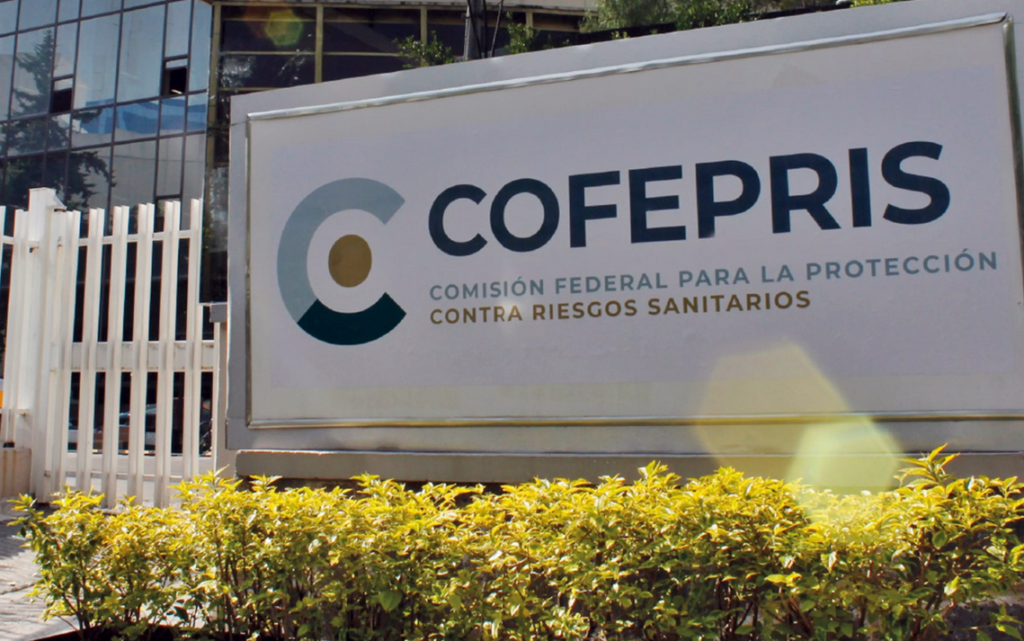
Mexico – COFEPRIS supports Supreme Court decision in favor of front labeling on food and beverages
The Federal Commission for the Protection against Health Risks (COFEPRISen Español) recognizes (Communiqué 49/2024) the decision of the Supreme Court of Justice of the Nation (SCJN in Spanish) to reiterate the constitutionality of the provisions that regulate the front labeling for prepackaged food and non-alcoholic beverages, to indicate the products that exceed the maximum limits of energy content, added sugars, saturated fats, sodium and other critical nutrients and ingredients established by such provisions.
In this sense, the plenary of the highest court of the country determined that front labeling fulfills a constitutionally valid purpose, by inhibiting or discouraging the consumption of certain foods to avoid chronic non-communicable diseases; to make effective the right to nutritious, sufficient and quality food, as well as to protect the right to health of the population.
Guatemala – Deputies proposed amendments to the healthy labeling bill
A series of amendments will be introduced in Congress to the Healthy Food Promotion Law initiative, which requires warning labeling of high fat and sugar content in manufactured foods, and which is scheduled for third reading in the Plenary this week.
There are at least 6 or 7 amendments, which include the elimination of the tax rate for the warning labels; reduction of the proposed penalties; and extension of the law’s term, among others.
The initiative is identified with the number 5504, was presented in 2018 and the second reading took place at the end of February 2024, so it is only pending approval in third reading, by articles and final wording.

Article – The labelling of ultra-processed foods, ‘ideological biases’ and ‘false consciousness’: a historical narrative of the experience in Colombia
While COVID-19 attacked people with diabetes, hypertension, and obesity, among other non-communicable diseases, the former Colombian government was betting on implementing a value-added tax (VAT) on the cost of production for food for the family basket (Paladines and Castellanos, 2021a, 2021c, 2021d, 2021e). It was added to a scenario of institutional weakness, evidenced by a social context ruled by a legal architecture showing a lack of positive and structural impact in the protection of the right to health, safeguarding the sovereignty of the consumer, and in short, in satisfying the general interest of a population immersed in a background of false consciousness, scenarios of sub-optimal choice and the prevalence of ideological and cognitive bias. Moreover, this article proposes a historical account if we consider the recent changes in the Colombian normative-regulatory model in the labelling of ultra-processed foods before the approval of a new regulation and agenda in December 2022.

 infoAlimentario