Argentina – New certification system for agro-ecological foods

A new agroecological certification system seeks to enhance food quality. The system is promoted by the Mesa Agroalimentaria Argentina in collaboration with the Centro de Investigación y Desarrollo Tecnológico del Instituto Nacional de Tecnología Agropecuaria (INTA in Spanish). It aims to cover the absence of official parameters to certify the quality of food produced by small producers, who occupy an increasing share of the market.
The protocol, which began to be implemented a week ago in the province of Buenos Aires, is called the Participatory Guarantee System (SPG in Spanish) for Popular Agroecological Certification. It will continue to be applied in those provinces where it is requested by the different entities that bring together producers, mainly those grouped in the Mesa Agroalimentaria Argentina (MAA in Spanish).

Peru – The Peruvian Society of Foreign Trade declares that draft laws on food and beverage labeling contravene current legislation

The Peruvian Foreign Trade Association (Comex Perú in Spanish), indicated that draft laws have been presented that seek to influence the regulation of food and beverage packaging, which would contravene international regulations and denaturalize the national regulations in force, posing risks to the health of the population and the fulfillment of international commitments.

The international trade association pointed out that the packaging of processed foods and beverages is regulated by a group of national provisions. Thus, there is the Regulation of Surveillance and Sanitary Control of Food and Beverages (Supreme Decree 007-98-SA), the Code of Consumer Protection and Defense (Consumer Code) and the Law for the Promotion of Healthy Food for Children and Adolescents (Law 30021).

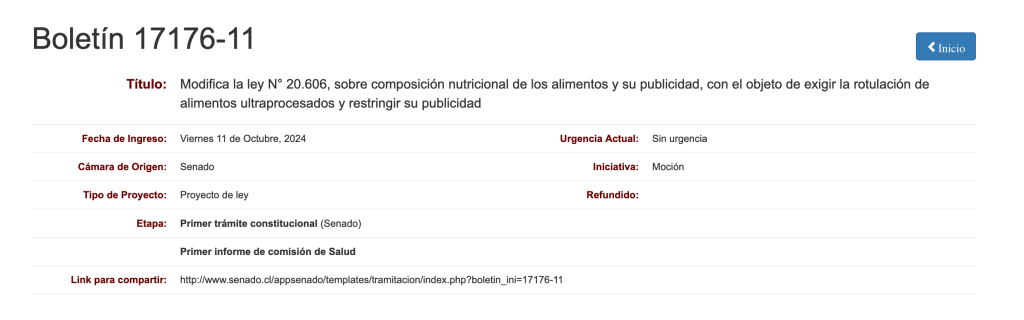
Chile – Bill introduced to amend Law No. 20,606, on the nutritional composition of food and its advertising, to require labeling of ultra-processed foods and restrict their advertising

The draft amendment was proposed by senators María José Gatica and Ximena Ordenes and senators Juan Castro González and Alejandro Kusanovic, and will be analyzed by the Health Committee.
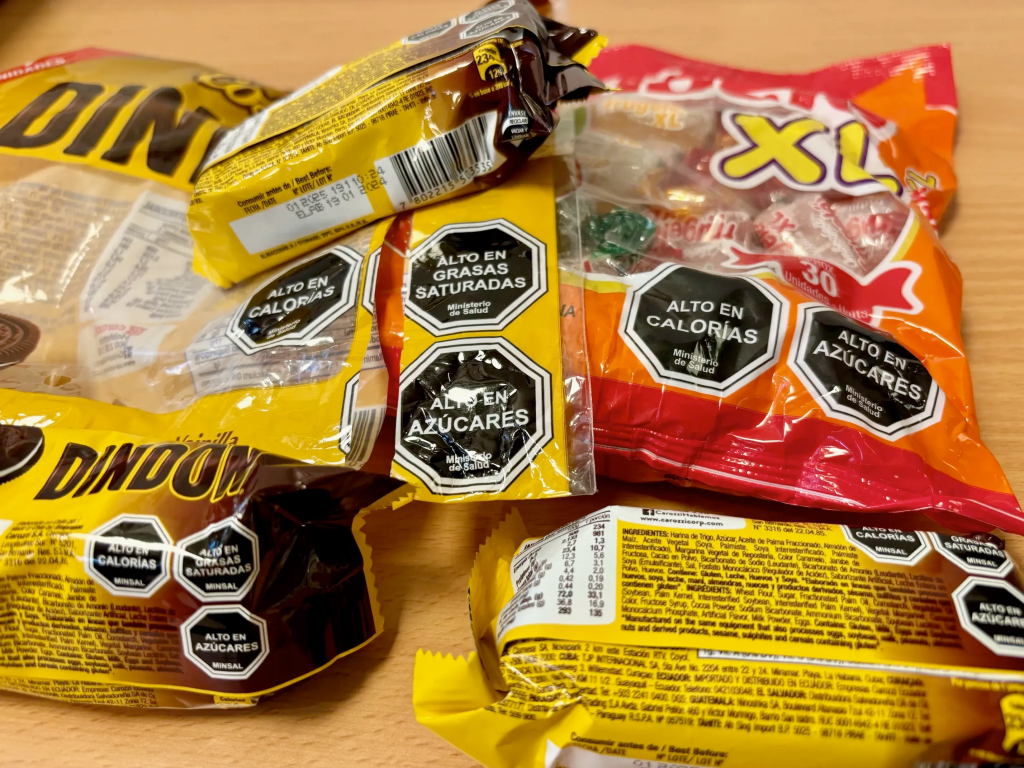
The bill proposes to modify law 20.606, on the nutritional composition of food and its advertising, to label as “ultra-processed” those food products that contain more than five ingredients formed from chemical-industrial processes.

Argentina – Food allergen bill introduced in Chamber of Deputies

National Deputy Oscar Agost Carreño (Encuentro Federal) presented a bill aimed at protecting millions of Argentines who suffer from food allergies (Food Allergen Law) by implementing a clear and mandatory labeling system to warn about the presence of allergens in food.
The project seeks to align local regulations with international best practices, establishing standards for packaging to visibly indicate the presence of common allergens, such as milk, egg or gluten. This measure would allow consumers to quickly identify products that pose a risk to their health and avoid accidental exposure.

Honduras – Authorities coordinate actions to develop new technical regulation for corn flour production

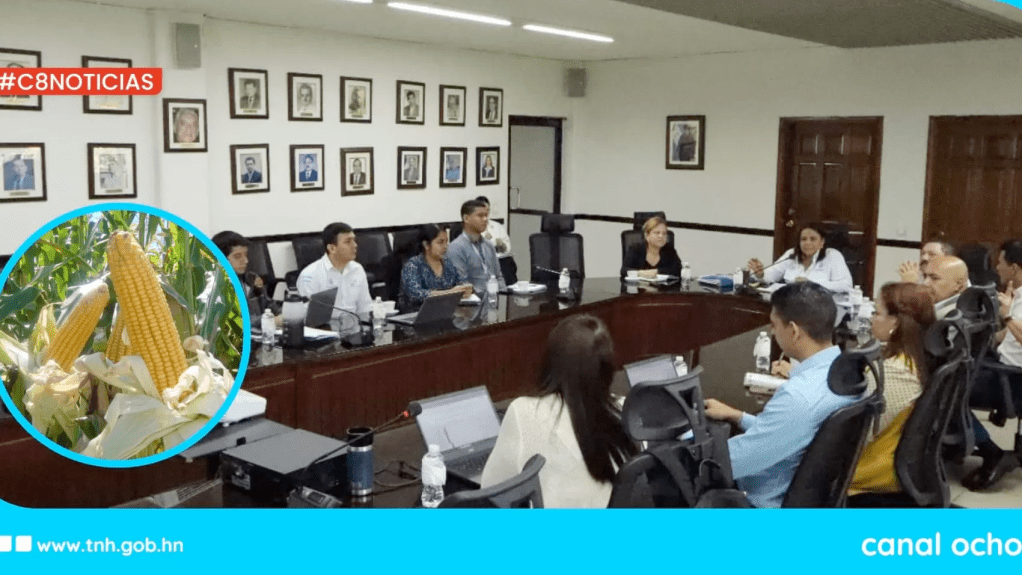
The government of President Xiomara Castro, through the Secretariat of Agriculture and Livestock (SAG in Spanish), the Secretariat of Economic Development (SDE in Spanish) and the Health Regulation Agency (ARSA in Spanish), began work on a new technical regulation for corn flour.

This initiative, which responds to the demands of national producers, seeks to guarantee the quality and safety of this basic product in the Honduran market.

It is also expected that the regulation will help strengthen the competitiveness of the sector and protect the interests of consumers.