Belize – Bureau of Standards conducts training on requirements of Revised National Standard for Labelling of Prepackaged Foods

The Belize Bureau of Standards (BBS) through an invitation from the Belize Trade and Investment Development Service (BELTRAIDE) conducted a training on the requirements of the Revised National Standard for Labelling of Prepackaged Foods to Coconut producers.

Participants were introduced to the requirements of the National Standard for BZS 1: Part 3: 2025 (Revised) – Belize Standard: Specification for Labelling: Labelling of Prepackaged Foods, while getting an opportunity to conduct a self-assessment of their current labels.  

The BBS noted that proper packaging and labeling are critical aspects of food safety and quality assurance, and marketing especially for pre-packaged foods.

Mexico – Senators propose labeling of food products containing genetically modified ingredients

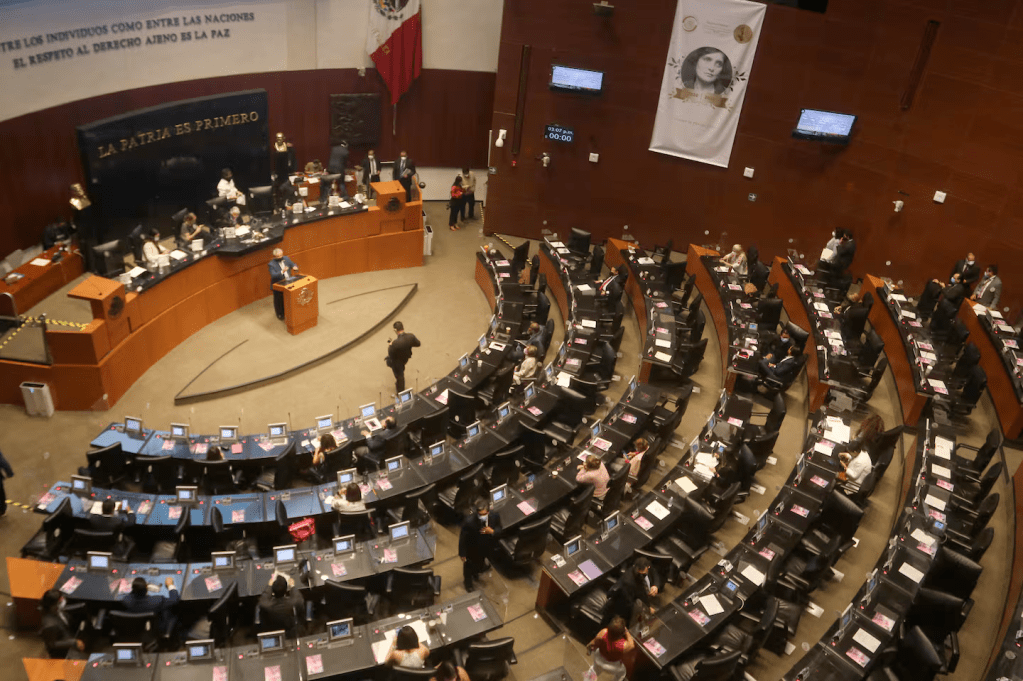
The President of the Senate, Laura Itzel Castillo, announced that within the framework of discussions regarding the economic package (reforms to the Federal Tax Code and the Federal Rights Law), she will present a complementary initiative concerning the labeling of genetically modified products. The aim is to provide consumers with clear information about the food they purchase. The legislator clarified that this proposal will support the reform of Articles 4 and 27 of the Political Constitution of the United Mexican States, which protects native corn and prohibits the cultivation of genetically modified grains in Mexico.

She also emphasized that the review of these issues will be a priority on the economic agenda, as the modifications seek to strengthen public revenues and promote responsible consumption, particularly concerning products that have a significant impact on health.

For further information, please consult: Link / Link

Brazil – Anvisa provides information regarding the cannabis plantation regularization process

The National Health Surveillance Agency (ANVISA in Portuguese) has presented an update regarding the measures taken by the Agency to comply with the ruling of the Superior Court of Justice (STJ in Portuguese) concerning the cultivation of cannabis solely for medicinal and pharmaceutical purposes.

The ongoing work aims to adhere to the aforementioned STJ ruling, which acknowledged the right to import hemp seeds, as well as to plant, cultivate, and market industrial hemp exclusively for medicinal and pharmaceutical uses.

The report highlighted several issues that need to be addressed in the regulatory debate, which are already being tackled by ANVISA’s technical teams. These include:

  • Compliance with the judicial decision.
  • The definition of scientific research involving cannabis.
  • The potential impacts of future regulations on existing judicial decisions and the judicialization process.
  • The necessary timelines for regulatory compliance and the internal implementation of the proposed regulation.
  • The effects that establishing a maximum percentage of THC (tetrahydrocannabinol) could have on cannabis-based medications and products already registered with the Agency that exceed this percentage.

According to the speaker, the discussion regarding the THC percentage limit is one of the central points that must be analyzed in the regulatory process to ensure it does not become an obstacle to the research and development of new medications.

Brazil – The Health Surveillance Agency of Natal announces the release of the brochure and technical manual on Dietary Supplements, Traditional Chinese Medicine, and Herbal Products

The Health Surveillance Agency of Natal (VISA Natal in Portuguese), in partnership with Sebrae-RN and with the support of the Federal University of Rio Grande do Norte (UFRN), conducted a Technical Seminar on Dietary Supplements, which addressed health regulations, industrialization, and the marketing of these products. The event also marked the launch of a brochure and a technical manual containing guidelines for the public and entrepreneurs in the sector.

During the event, the brochure and the technical manual on Dietary Supplements, Traditional Chinese Medicine, and Herbal Products were launched. This material is the result of collaboration between Gabrielle Medeiros, a Nutrition student at UFRN, and VISA Natal. “The brochure is aimed at the general consumer, while the technical material is intended for companies and technical managers, with the goal of promoting safer marketing and production of supplements in the municipality,” Sônia explained.

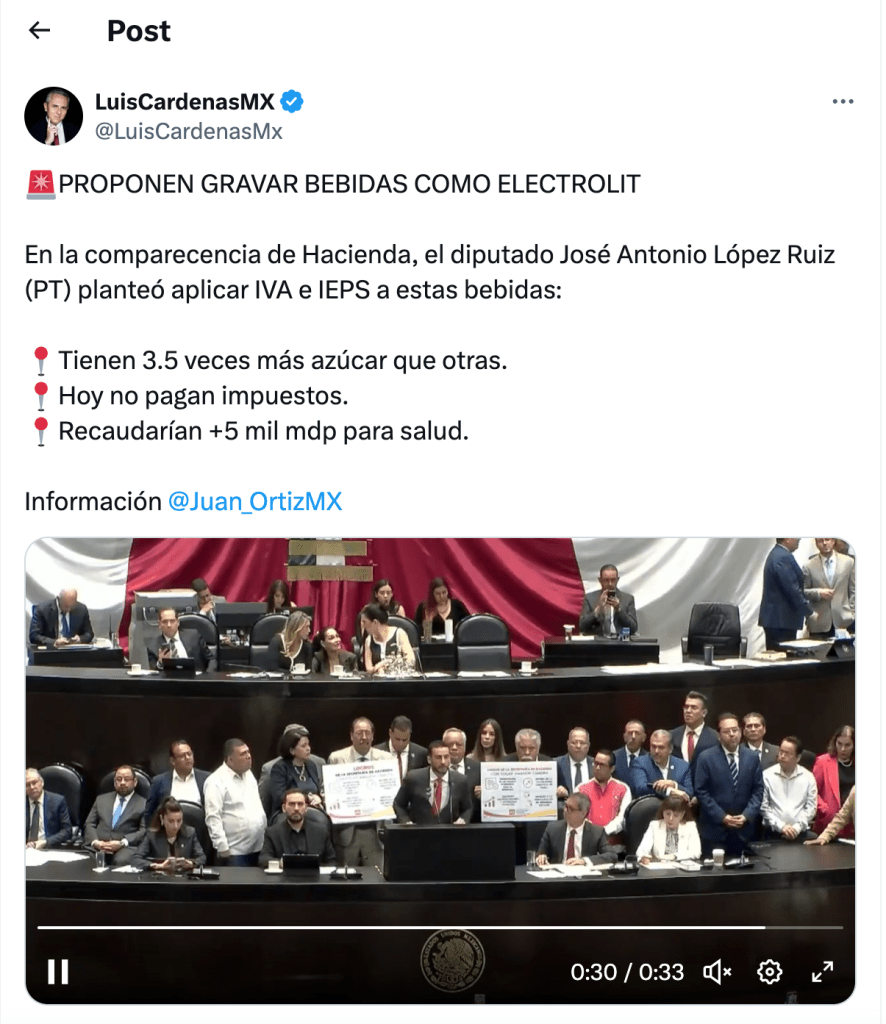
Mexico – Lawmakers propose to impose taxes on electrolyte beverages due to their high sugar content

The Ministry of Finance and Public Credit (SHCP) is considering the implementation of taxes on beverages classified as sweetened oral rehydration solutions, such as Electrolit and Suerox. This measure could contribute up to 5 billion pesos to the public budget in 2026, according to estimates from legislators in Congress. This statement arises during the discussion of the Economic Package 2026 in the Chamber of Deputies, in response to criticisms regarding the current tax treatment of these products, which are registered as medications.

Federal Deputies from the PT and the Green Party proposed to the Secretary of Finance, Édgar Amador Zamora, to include the taxation of oral electrolytes in the economic package, arguing that these beverages do not meet health standards and contain high levels of sugar.
Deputy Ernesto Núñez Aguilar from the PVEM stated that some companies register their beverages as “medications” to circumvent the warning labels mandated by the Official Mexican Standard 051 and to avoid taxes, thereby creating unfair advantages over other sweetened beverages.