The Ministry of Commerce and Industries has published the draft Technical Regulation – Food Technology.fresh vegetables. Carrots. Requirement (DGNTI-00-2025). The purpose of this Technical Regulation is to establish the general, quality and safety requirements to be met by carrots (Daucus carota) for fresh consumption, for marketing and/or as raw material for direct industrial processing or further processing in the territory of the States Parties.
The Americas
Regulatory news in the Americas
Brazil – ANVISA opens public consultation on food additives and adjuvants
The National Health Surveillance Agency (ANVISA in Portuguese) has published a public consultation (Consultation 1.338/2025) to seek opinions on a proposed regulation amending the rules governing the use of additives and technological adjuvants in foods.The proposal revises the maximum limits, functions and conditions of use of these ingredients in foods, updating Normative Instruction (IN) 211/2023.
Brazil – ANVISA amends Regulatory Instruction on food additives and technological adjuvants authorized in food
Through Regulatory Instruction – IN No. 380/2025, the National Health Surveillance Agency (ANVISA in Portuguese) amends Regulatory Instruction – IN No. 211, of March 1, 2023, which establishes the technological functions, maximum limits and conditions of use of food additives and technological adjuvants authorized for use in food.
The categories of food use are:
- Caramel sauce
- Fresh, chilled or frozen fish, except mollusks, crustaceans and echinoderms
- Fresh, chilled or frozen mollusks, crustaceans and echinoderms
- Meat and meat products
- Fruit jelly and calf’s foot jelly
- Fruit and seed preparations (including toppings and fillings) for use in other foodstuffs (except fruit pulp)
- Liquid dietary supplements (including suspensions, solutions, syrups, emulsions and liquid contents of gelatin capsules).
- Solid and semi-solid dietary supplements (including tablets, gummies, dragees, pills, capsules, gelatin capsules, gels, creams, powders, granules, lozenges and chewable forms).
- Non-alcoholic soy-based beverages.
Mexico – Secretary of Public Education defends front labeling: helps to make healthier food choices
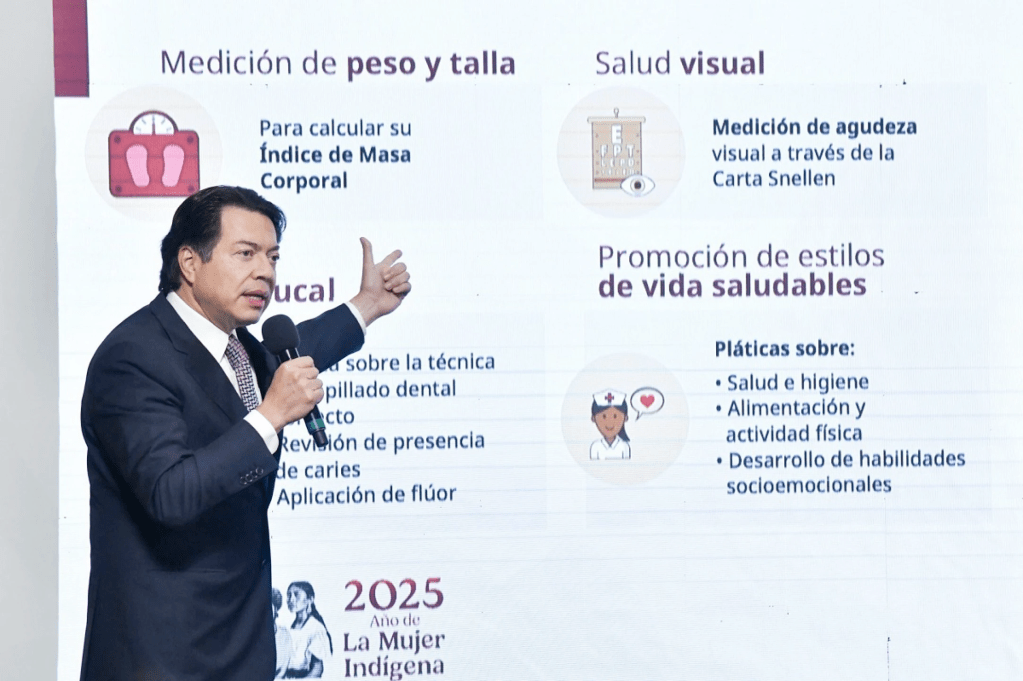
The Secretary of Public Education, Mario Delgado Carrillo, urged Mexican school communities and families to learn about the front labeling of processed foods, a key tool to choose healthier options and reduce diseases.
The recommendation is part of the “Live healthy, live happy” campaign, promoted by President Claudia Sheinbaum Pardo, whose goal is to form the healthiest generation in the country’s history.
Mexico – Federal Consumer Protection Agency will notify Cofepris and the Ministry of Agriculture about products posing as ham
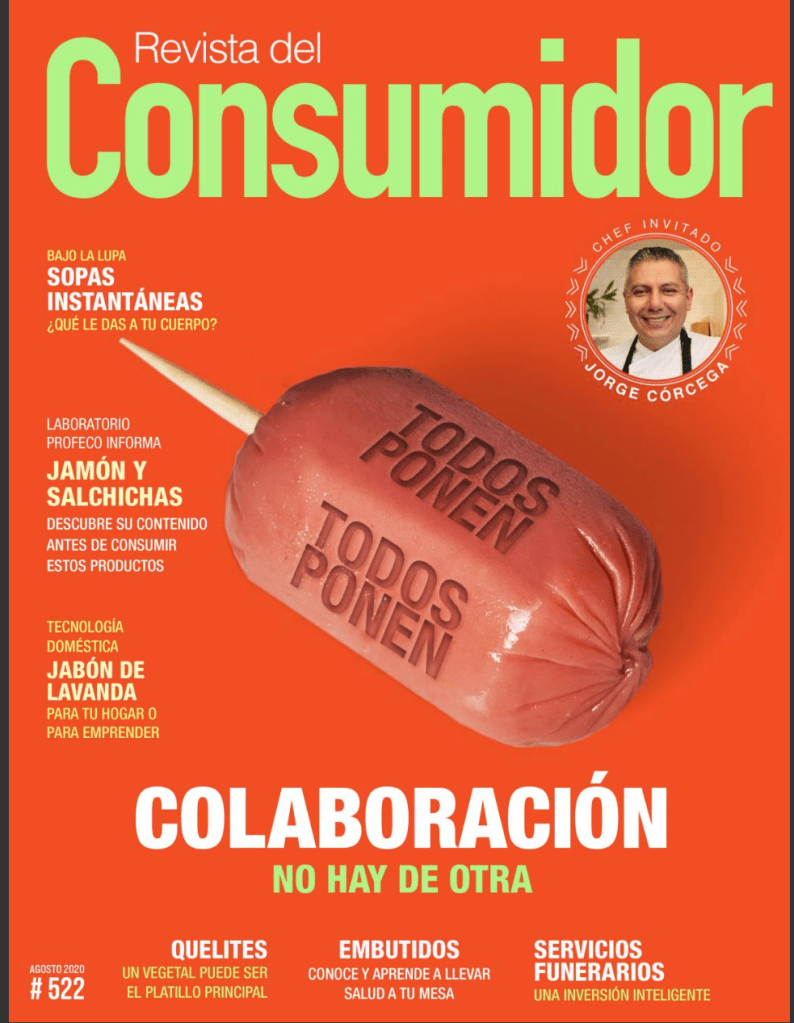
Following up on the findings obtained from the Quality Study carried out by the National Consumer Protection Laboratory on ham, according to which 13 of the 40 products analyzed do not comply with the Official Mexican Standard, the head of the Federal Consumer Protection Agency, Iván Escalante Ruiz, announced that the corresponding notifications will be made to the competent authorities.
During his participation in the Mañanera del Pueblo conference, the public servant indicated that official notices will be sent to the Federal Commission for the Protection (PROFECO in Spanish) against Sanitary Risks (COFEPRIS in Spanish) and to the Ministry of Agriculture and Rural Development to inform them of the results published in the July edition of the Consumer Magazine.
He added that, starting this week, they will be reviewing the characteristics of the labeling and possible non-compliance with laws and regulations that may result in Proceedings for Violations of the Law (PIL).
The characteristics of the products that could result in immobilizations and even in the withdrawal of these foods from the market, due to the declaration in their labeling of untruthful and misleading information for the consumers, will also be monitored.
He explained that the Laboratory analyzed 40 products, of which 13 are outside the Standard that regulates hams, NOM-158- SCFI-2003, which defines the characteristics that ham must have in order to be called ham.
 infoAlimentario