The Americas – Opinions: Food Labels As A Business Opportunity In The Caribbean: Thinking Outside The Package

Author: Daphne Ewing-Chow

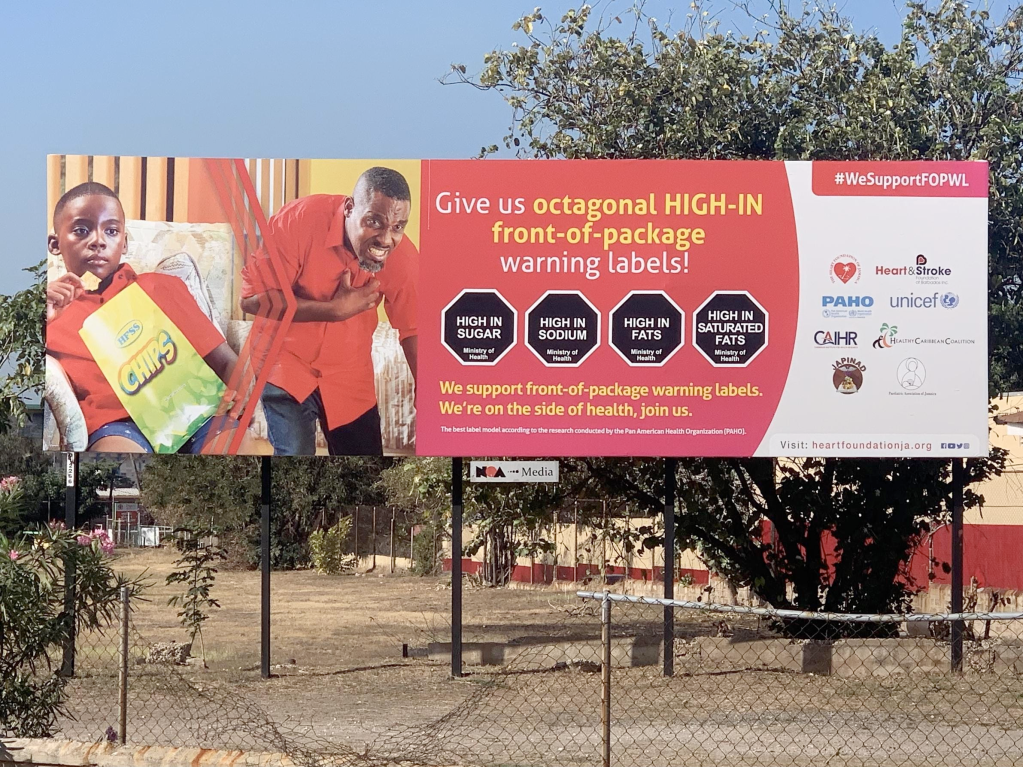
Would a front of package food labeling system that indicates whether food items are high in “bad for you” nutrients such as sugar, fat, or sodium result in the mass reformulation of foods? Would it change consumer habits? And if it did, would this be good or bad for business?

The Americas – Brazil: University develops new application to help understand nutritional content of foods

To help consumers understand the nutritional information on food labels sold in supermarkets, a group of researchers from the School of Pharmacy developed the RotulApp application. Through product barcodes, RotulApp verifies the presence of excess nutrients, such as sugars; saturated fats and sodium in processed and ultra-processed foods. The feature is free and available for Android devices.

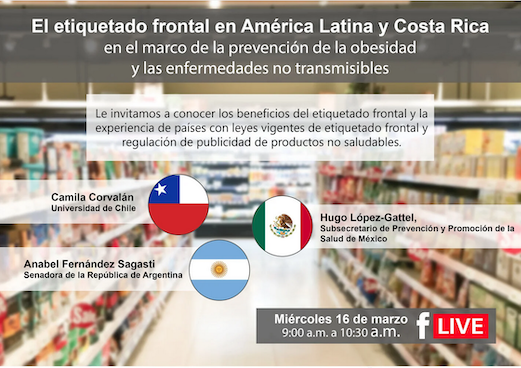
The Americas / PAHO – Webinar: Front-end labeling in Latin America and Costa Rica in the framework of obesity and noncommunicable disease prevention

Objective: To contribute to the discussion on the aspects concerning front labeling regulations of food products and non-alcoholic beverages, presenting the international experience generated in the countries of the region, sharing lessons learned and new evidence obtained. We seek to sensitize national stakeholders from all sectors on the public health impact of measures such as front-of-pack nutrition labeling to improve nutrition and contribute to stop the increase of overweight and obesity and non-communicable diseases in the population.

The Americas – Costa Rica: New law on the use of hemp for industrial purposes in food and beverages

The President of the Republic, Carlos Alvarado, signed the “Law of Cannabis for Medicinal and Therapeutic Use and Hemp for Food and Industrial Use” No. 10,113 after the efforts of the Legislative Assembly to approve the bill in second debate, considering the partial veto issued by the Executive Branch that allowed correcting some inconsistencies in the original text.

One of its objectives is to authorize the production, industrialization and commercialization of hemp for industrial and food use and cannabis for exclusively medicinal and therapeutic purposes, and its derivative products.

The executive has expressed its commitment to have the regulation ready before the end of the current administration.
The Americas – Argentina: Amendment to the Argentine Food Code on the quality requirements for table salt

By means of Joint Resolution 32/2021, amendments to the Codiga Alimentario Angentino (CAA in Spanish) on the requirements for table salt are incorporated through the modification of articles:

  • 1265: Process of elaboration and quality parameters.
  • 1266: Denomination according to granulometry.
  • 1272: Iodine content and permitted food additives.

Salt intended for industrial use, food or otherwise, is excluded from the above obligation and in such cases the legend “Industrial use” must be entered.

  • 1275: Use of packaging and labeling.