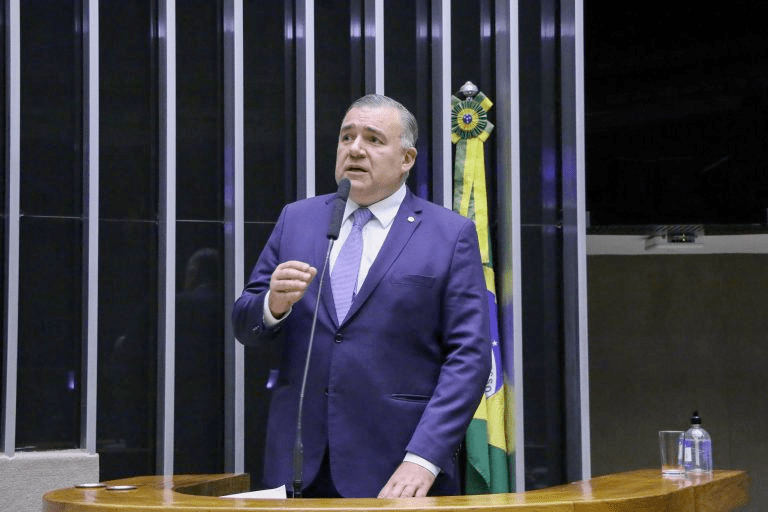
President Jair Bolsonaro (PL) announced, that the federal government reduced to zero the import tax on food supplements, such as protein concentrates (like Whey Protein), creatine, multivitamins and other sports nutrition products to help people who exercise.
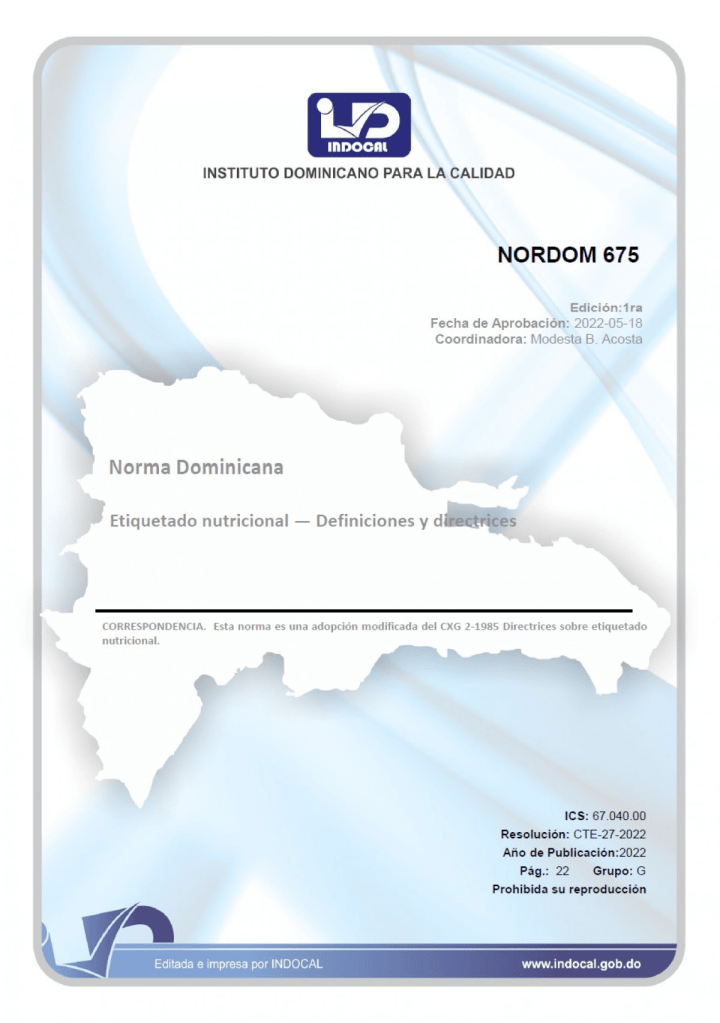
The Dominican Institute for Quality (INDOCAL) made available to the public and the national productive sectors a Dominican standard (NORDOM 675) for nutritional labeling, which will help facilitate access to relevant information on products for local consumption, in order to encourage the application of quality nutritional principles in the preparation of food, for the benefit of public health. NORDOM 675 ensures that nutrition labeling does not present false, misleading, deceptive, or meaningless information about a given product in order to provide an effective means for consumers to make informed purchasing decisions.
Bill 2257/22 was introduced in the Chamber of Deputies, which prohibits the use of titanium dioxide in the manufacture of food, as well as the importation of articles containing this substance. The text under analysis in the House establishes that any non-compliance with the regulations will be a violation of federal health regulations (Law 6.437/77).
Titanium dioxide is a chemical compound, derived from a natural mineral, used as an industrial colorant, among other purposes. Currently, this use is authorized in Brazil by the National Health Surveillance Agency (Anvisa).
According to the author of the proposal, Deputy Ney Leprevost (União-PR), in the case of the use of titanium dioxide in food, studies indicate the potential to cause inflammatory lesions in the intestinal tract of experimental animals.
A proposal with similar content (PL 1370/11) passed through the House for two legislatures and was even approved by the Committee on Environment and Sustainable Development, but ended up shelved in 2019.
The National Agency for Regulation, Control and Sanitary Surveillance (ARCSA in Spanish) published a draft of external instructions on reclassification to Foods for Special Dietary Uses. The purpose of the instructions is to establish the technical criteria for the reclassification of a product to the category of food for special diets, to define the guidelines for obtaining the sanitary notification or online GMP certified registration, and the steps to follow to request the depletion of stocks. Consultation valid until August 22, 2022.
The announced Tax Reform Project for Equality and Social Justice of the Government of Gustavo Petro arrived at the Congress of the Republic. Among the new sources of money for the State would be taxes on sugary drinks and ultra-processed foods, as well as on single-use plastics and sources of carbon pollution.
Sugar-sweetened beverages and soft drinks would be taxed according to sugar content in grams per 1000 milliliters of beverage. In other words, the more sugar, the more expensive the product will be. This measure is expected to accumulate 1.02 trillion pesos.
In the case of ultra-processed foods, which include sausages, snacks, sweets and powders for preparations, a tax of 10% of the total cost is proposed. With this measure it is estimated to collect at least 1.09 trillion pesos, but it is intended more for the potential adverse effects they have on the health of Colombians. The percentage of GDP with this tax would be 0.15%.

 infoAlimentario