A Senate inquiry into definitions of meat and other animal products – initiated by the National Party – recommends the government implement mandatory food labelling requirements.
Since June 2021, the committee took submissions and heard evidence from beef, poultry, and pork farmers, seafood sellers, dairy companies, consumer advocates and plant-protein sector representatives including global brands.
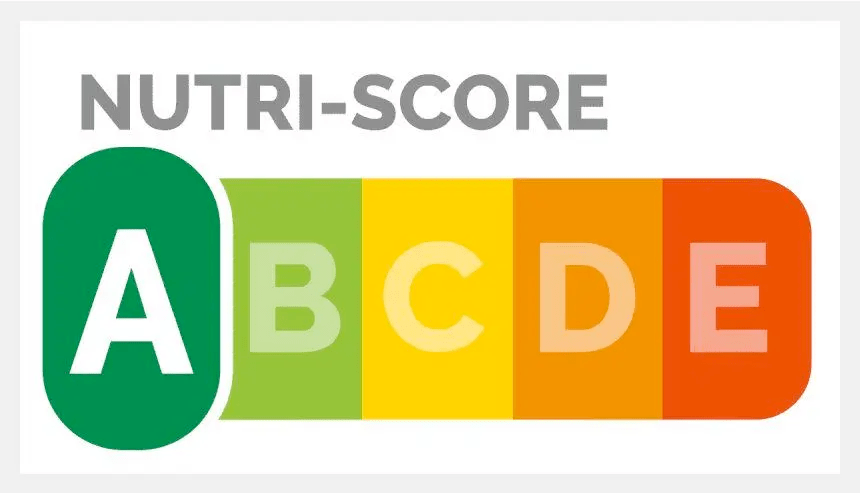
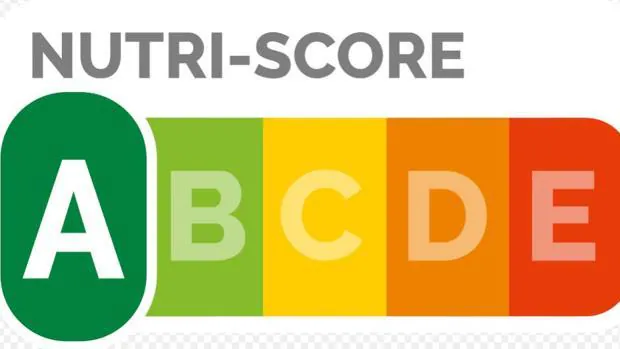
Italian politicians continued their campaign to derail the adoption of Nutri-Score as the European Union’s official front of pack labeling (FOPL) system at a recent series of events.
Italian officials once again criticized Nutri-Score as an overly simplistic way to evaluate food nutrition.
The officials further accused Nutri-Score of misleading consumers and directly attacking the Mediterranean diet. Instead, the officials lobbied to adopt Nutrinform Battery, the Italian alternative that has also been widely criticized by its detractors.
A panel of the House of Representatives has approved a measure that will eliminate the use of industrially produced trans fatty acids (TFA) from the country’s food chains, as lawmakers help promote health, clean living and prevent serious illnesses.
House Bill 9083 and four other related pieces of legislation have been consolidated and incorporated into one substitute bill given the green light by the House ways and means committee led by Albay Rep. Joey Salceda.
The “Nutrinform Battery” nutritional labelling system will be presented in the Farnesina’s Conference Hall at 10:30 on 15 February 2022. The Nutrinform Battery system has been proposed by Italy as part of the negotiations to harmonise the European Union’s food labelling system.
Nutrinform Battery is the food labelling system supported by Italy in the EU negotiations as an alternative to the Nutriscore traffic-light system. Nutrinform is a non-discriminatory system based on objective, manipulation-proof data. The information is used to measure the nutritional value of people’s overall diet, rather than different categories of food. This makes it an important tool to encourage more informed choices by consumers and more responsible behaviour by producers. It also respects the unique features of the Mediterranean Diet, which enjoys UNESCO Intangible World Heritage status, and traditional diets.
One of the strategies to combat the growing epidemic of overweight and obesity is the complementing of nutritional labeling with a logo that facilitates the selection of foods by the consumer. The objective of this work was to describe the Dietitians-Nutritionists’ perception about the Nutri-Score frontal food labeling before its implementation in Spain. Cross-sectional study, with 376 graduates in Human Nutrition and Dietetics (D-N), over 18 years of age, any sex, resident in Spain. Sociodemographic data and Nutri-Score labeling perception items will be recorded by online survey, with a global Content Validity Index (IVC) of 0.90. Continuous variables will be presented as means and standard error or medians and interquartile ranges according to the Kolmogorov-Smirnov analysis.



 infoAlimentario