Brazil – Committee analyzes rules for alcohol beverage advertising

The Human Rights, Minorities, and Racial Equality Commission of the Chamber of Deputies will hold a public hearing on Law 9.294/96, which restricts the advertising of beverages with more than 13% alcohol, excluding most beer brands.

The hearing was proposed by Deputy Erika Kokay (PT-DF).

“The advertising of these products encourages consumption, promoting the trivialization of a substance that is demonstrably harmful, both to the individual and to society,” says Erika Kokay.

Brazil – Proposal to regulate food donation advances in the Senate

The bill (PL 801/2024) that regulates food donations has advanced in the Senate, addressing, among other aspects, the control over who receives the donations, how the transportation is carried out, and the responsibilities of each party. In summary, its objective is to encourage donations, reduce waste, and provide greater legal security for donations made by companies and other establishments.

The substitute bill included the transportation of donated food as an integral part of the donation process.

The proposal stipulates that transportation companies must be registered and comply with health regulations to allow for control and traceability.

Furthermore, the text establishes that donors and intermediaries will not be liable for damages, as long as they act in good faith and comply with legal requirements.

Brazil – ANVISA publishes the Partial Impact Analysis Report on Regulation for Medical Food Use 2026

The National Health Surveillance Agency (ANVISA in Portuguese) has published the Partial Impact Analysis Report on Regulation for Medical Food Use 2026.

Regulatory issue
The Brazilian regulatory framework applicable to special dietary foods creates barriers to the regulation and access to certain products indicated for the dietary management of specific metabolic, physiological, or pathological conditions.

Objectives
Reduce regulatory barriers for the supply of products indicated for the dietary management of metabolic, physiological, or pathological conditions that are suitable for their intended use and safe. To achieve this, the aim is to improve labeling and communication standards; increase regulatory flexibility for the incorporation of new formulations, presentations, and innovations; define requirements that differentiate these products from other special dietary foods and medications; optimize ANVISA’s performance in the analysis of these foods; and expand the dissemination of information about these products.

Chile – House Health Committee debates a project to regulate the sale of alcohol on digital platforms

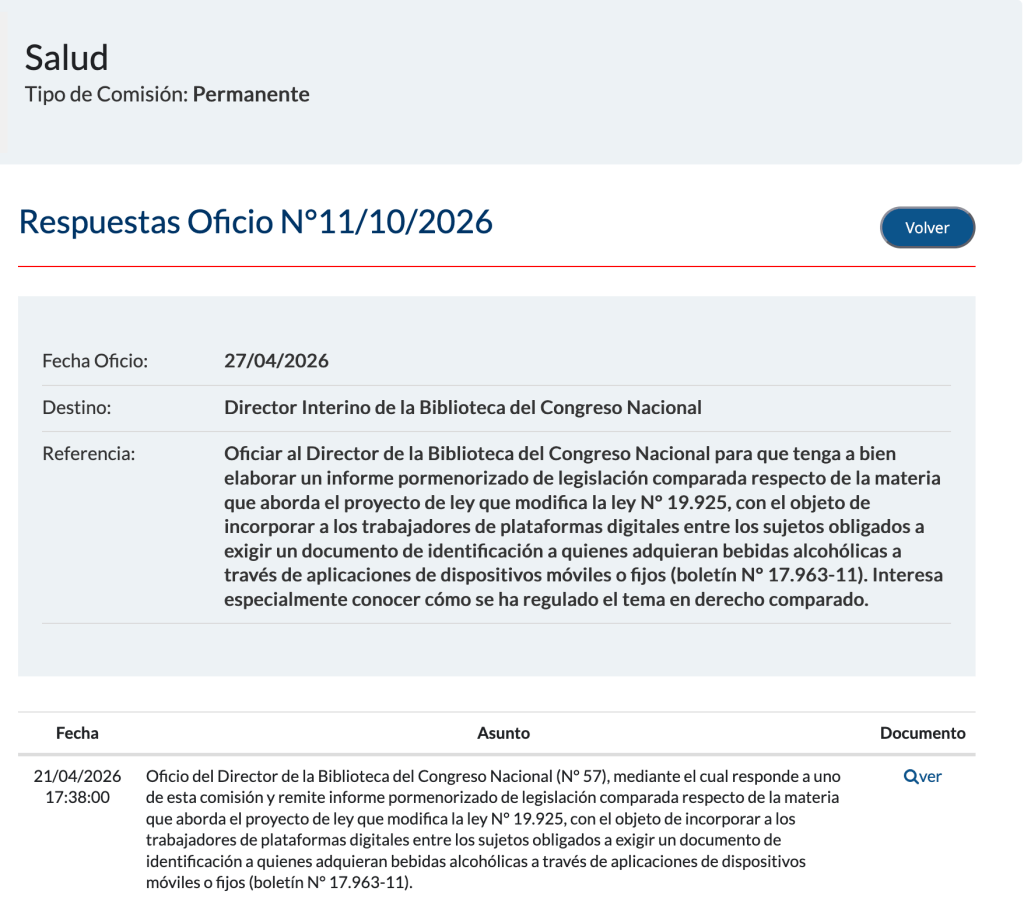
The Chamber’s Health Committee received the Executive’s opinion regarding the bill that amends law 19.925 to include digital platform workers among those required to demand an identification document from those who purchase alcoholic beverages (bulletin 17.963).

The project is a motion submitted for processing in November 2025, which aims to address the use of delivery apps for the sale of alcohol. In particular, because minors use this format to bypass the identity control required in formal commerce.

Thus, the text proposes to establish that the prohibitions, obligations, and sanctions indicated in the aforementioned law be applicable to workers of digital platform companies. Additionally, it stipulates that the company must provide the worker with sufficient technological means to verify the identity of their clients.

Brazil – External committee of the Chamber of Deputies analyzes the health risks posed by defective products such as food and dietary supplements

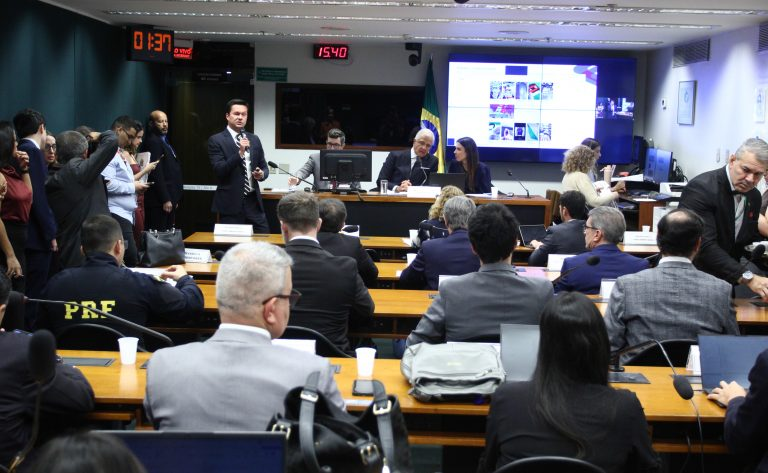
The External Commission of the Chamber of Deputies on Piracy held a public hearing to discuss health risks related to the consumption of products subject to health surveillance that are subject to counterfeiting, fraud, piracy, and smuggling. The debate responds to a request from the committee coordinator, Representative Julio Lopes (PP-RJ).

According to the legislator, the objective is to analyze the repercussions of these illicit practices on public health, as he points out that the market for products subject to health surveillance regulations, which includes medicines, food, dietary supplements, cosmetics, disinfectant products, and medical devices, when involved in piracy, fraud, adulteration, or smuggling practices, goes beyond the scope of tax evasion and intellectual property crimes, constituting a serious threat to public health.

The congressman also points out that, in addition to the direct effects on health, the piracy and smuggling of sanitary products foster organized crime and create unfair competition with the national industry.