Brazil – MAPA extends the deadline for compliance with the provisions of articles 6 and 15 of the technical regulation on the identity and quality of gelatine, hydrolyzed gelatine and edible collagen

The Brazilian Ministry of Agriculture, Livestock and Supply (MAPA in Portuguese) published SDA Ordinance No. 782, which extends by 180 days the deadline for compliance with the provisions of articles 6 and 15 of SDA Ordinance No. 384, dated August 25, 2021, approving the technical regulation on the identity and quality of gelatin, hydrolyzed gelatin and edible collagen.

Articles 6 and 15 of SDA Ordinance No. 384 describe the following:

Art. 6° In the manufacture of gelatin, the use of technology adjuvants and additives authorized in the specific legislation is allowed.

Art. 15. In the preparation of collagen, the use of technology adjuvants and additives, authorized in the specific legislation, is allowed.

Brazil – Approved the Technical Requirements for the Identity and Quality of cooked ham, superior cooked ham, tender cooked ham and cooked poultry ham

The Brazilian Ministry of Agriculture, Livestock and Supply (MAPA in Portuguese) published SDA Ordinance No. 765, approving the Technical Requirements for the Identity and Quality of cooked ham, superior cooked ham, tender cooked ham and cooked poultry ham.

Argentina – Sea salt amendment published amendment to the Argentine Food Code on sea salt

The Secretariat of Agriculture, Livestock and Fisheries and Secretariat of Health Quality by Joint Resolution 4/2023 published in the Argentine Food Code an amendment related to sea salt.
“Sea salt without other denomination, is designated to the product coming from the evaporation of sea water, which is sold ready to be consumed, which must comply with the requirements established in articles 1265 and 1272. This product shall be called “Sea Salt”.

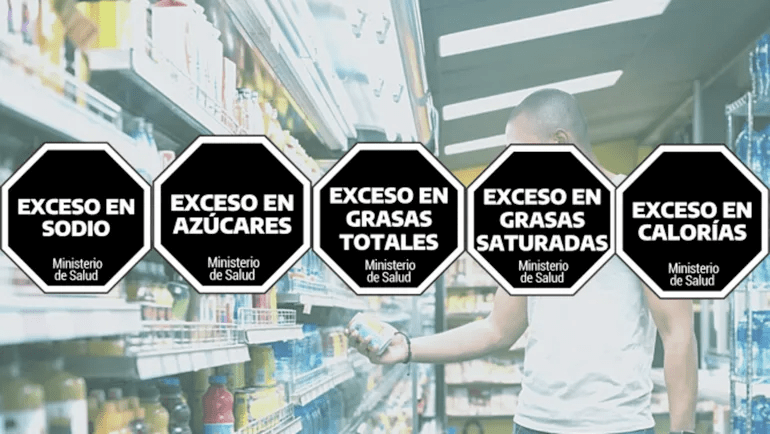
Paraguay – Controversy over front-of-package food labeling law: bill to be defined weeks after elections

The bill that establishes mandatory “front labeling” of packaged foods, as has been observed in countries of the region, could be defined in the two weeks following the April 30 elections. In social networks, heated debates have already been generated by positions for and against. Here are some details of what could be the application if it becomes law.

Argentina – Amendment to the Argentine Food Code on the sale and use of essences and extracts in foodstuffs

The Secretariat of Agriculture, Livestock and Fisheries and the Secretariat of Health Quality by Joint Resolution 9/2023 published an amendment to article 1.320 in the Argentine Food Code.

ARTICLE 1°.- Article 1.320 of the Argentine Food Code is hereby replaced and shall be worded as follows: “Article 1.320: The sale and use in the food industry of essences and extracts of: Wintergreen (Gaultheria procumbens), Tonka Bean, Sassafras (Sassafras albidum), Tansy (Tanacetum vulgare), and of the components of natural essences mentioned below: Coumarins and Hydroxycoumarins, Pinocanfone, Safrol, and those prohibited in the future by the national health authority, is prohibited.

Likewise, the sale and use in the food industry of pine essential oil or turpentine essence is prohibited”.