Brazil – ANVISA updates guide to questions and answers on food nutrition labeling

The National Health Surveillance Agency (ANVISA in Portuguese) published the 2nd edition of the Questions and Answers Document on Food Nutrition Labeling.

For the elaboration of this edition, the doubts presented by the agents affected by the measure, received through Anvisa’s Call Center and documents filed at the Agency were considered.

The document makes a general revision of the guidelines presented in its 1st edition, with the aim of improving their clarity and adapting the guidelines to the changes made in the food health framework. The revision also took into account the entry into force of DRC 429/2020 and IN 75/2020 in October 2022.
Argentina – Modification of the Food Code on distilled beverages

By means of Joint Resolution 1/2023, the Argentine Food Code on Whisky is amended and Cereal Spirit is incorporated.

SECTION 1 – Item 7 WHISKY OR WHISKEY of Article 1116 of the Argentine Food Code is hereby replaced and shall be worded as follows: “7. WHISKY OR WHISKEY: It is the spirit obtained from the special distillation of fermented musts of cereals, aged (matured) in the presence of oak or other suitable wood.

In the final product, its alcoholic strength shall not be less than 40% vol. at 20°C; its dry residue shall not exceed 0.25 g per 100 ml; its maximum acidity shall be equivalent to 1.0 ml of normal alkali per 100 ml and it shall have a minimum congeners content of 150 mg / 100 ml of anhydrous alcohol. To be released for consumption, it must be aged for at least 2 years. It may bear the descriptions Añejo, Reserva and other similar, indicating the corresponding years of aging.

ARTICLE 2 – Item 7.1 CEREAL SUGAR LIQUOR is hereby incorporated into Article 1116 of the Argentine Food Code, which shall be worded as follows: “7.1 CEREAL SUGAR LIQUEUR: It is the spirit obtained from the distillation of fermented cereal musts, without aging in wood, with an alcohol content of 35% to 54% vol. at 20ºC.

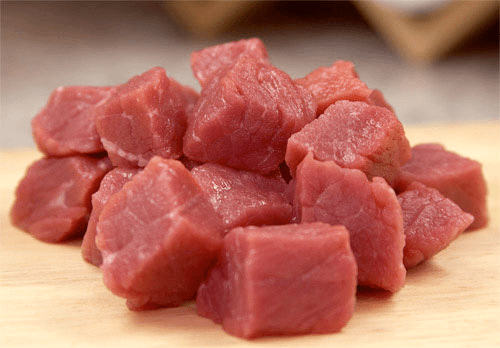
Chile – “Meat” labeling bill advances, seeking to redefine the concept to animal products only

In November 2022 began the discussion in the Plenary of the Chamber of Deputies of the Bill that modifies the Sanitary Code, to define the concept of meat and prohibit giving that denomination to products that are not of animal origin.

In this context, this Monday, the final vote will take place in the Chamber and if approved, it will pass to the Senate.

The initiative has been questioned by animal rights organizations, since, according to them, it does not respond to legal needs and does not mention the negative implications of meat production for the environment and human health.

It is worth mentioning that the concept of meat is already established in articles 268 and following of the Food Sanitary Regulation.

Paraguay – Public consultation. Modification of GMC Resolution No. 40/15 “MERCOSUR Technical Regulation on cellulosic materials, containers and equipment intended to be in contact with food”

The Resolution Project of the Ministry of Public Health and Social Welfare is presented to public opinion, industry and the productive sector in general, which approves the: MODIFICATION OF GMC RESOLUTION No. 40/15 “MERCOSUR TECHNICAL REGULATION ON CELLULOSIC MATERIALS, PACKAGING AND EQUIPMENT INTENDED TO BE IN CONTACT WITH FOOD.

Brazil – MAPA ORDINANCE No. 539/2022. Establishes the Identity and Quality Standards for sugarcane brandy and cachaça

The Identity and Quality Standards of the cane brandy marketed throughout the national territory and of the cachaça marketed throughout the national territory and for export are established, in the form of this Ordinance and its Annex.