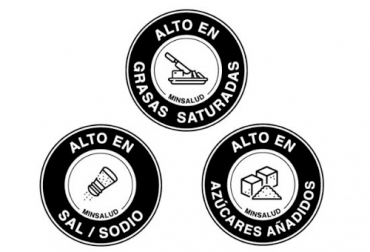
The adoption of alternative labeling models to improve the effectiveness of information presented to food consumers has been occurring in Brazil and worldwide due to the increased prevalence of chronic non-communicable diseases, in addition to the existence of scientific evidence that the nutritional table is difficult to see, understand and use for most consumers. In this context, the objective of this narrative review is to present the history, motivations, objectives, and perspectives related to changes in nutrition labeling legislation planned for 2022 in Brazil. The sample consisted of 98 references searched in the Scielo, Capes and Google Academic databases, using the descriptors “labelling”, “nutrition labeling”, “front nutrition labeling” and “front labeling”, “Impacts of nutrition labeling”, ” new nutritional table”. The first regulation on the labelling of packaged foods emerged in 1969, but it was only in 1998 that nutritional labeling was regulated in Brazil. Since then, new legislations have been published and improved over the years, culminating in the publication in 2020 of Collegiate Resolution number 429 and Normative Instruction number 75, which bring greater rigor to the standard of the nutritional table and implement the nutritional frontal labeling in loupe format. After the implementation of these legislations, positive impacts are expected in the reformulation of products, in the understanding of the labeling and composition of foods by the population, consequent healthier food choices and improvement in the population’s epidemiological profile in the long term.

 infoAlimentario