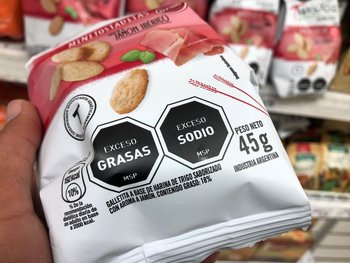
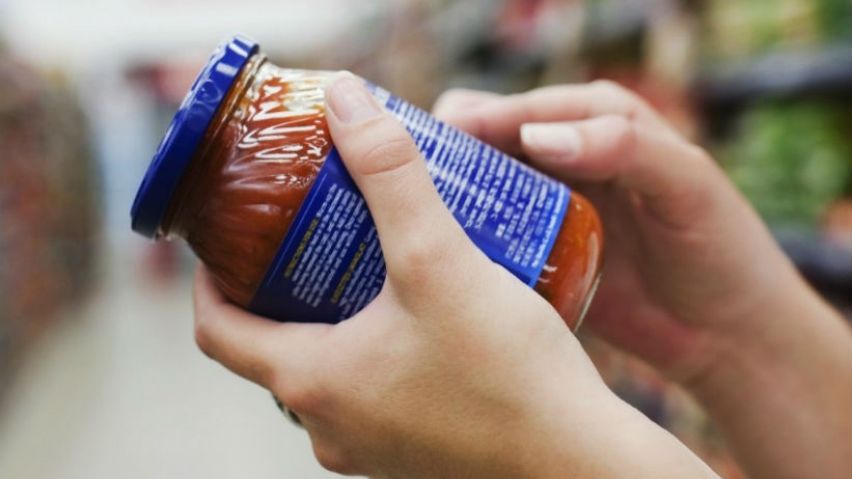
Article – Qualitative exploration of the reasons for not using nutritional warnings after policy implementation in Uruguay

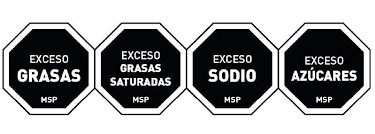
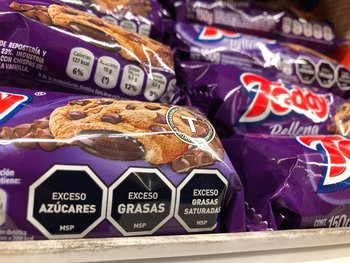
Nutritional warnings have gained popularity, particularly in the region of the Americas, to facilitate the identification of products with excessive content of nutrients associated with non-communicable diseases and encourage healthier food choices. Although warnings have been shown to be effective, an in-depth understanding of the reasons why some consumers do not use them is still lacking. The aim of the present work was to explore self-reported use of nutritional warnings and to identify the reasons for not considering nutritional warnings for making food purchase decisions after policy implementation in Uruguay. A non-probabilistic sample of 858 Uruguayan participants was recruited using an advertisement on Facebook and Instagram. Through an online survey, self-reported use of nutritional warnings was asked using a closed-open ended questions. Participants who reported not considering warnings to make their purchase decisions were asked to explain the reasons why using an open-ended question. Responses were analysed using deductive coding, based on the Behavioural Drivers Model. Thirty seven percent of the participants stated that the warnings had not influenced their purchase decisions. Motives for not being influenced by the warnings were related to lack of interest, attitudes, lack of perceived self-efficacy, cognitive biases and limited rationality when making purchase decisions. In addition, structural barriers, such as availability, cost and trust in the food industry also emerged from participants’ responses. Strategies to encourage the use of warnings should include communication campaigns and policies to address structural barriers related to the perceived availability and affordability of healthy foods.
Uruguay: Draft Decree amending Chapter 16 (Milk and milk products) of the National Bromatological Regulations

The notified draft Decree amends Chapter 16 of the National Bromatological Regulations related to flavoured milk, milk with added ingredients and milk drinks.

Uruguay: Nuevas etiquetas en alimentos demorarán entre uno y seis meses en estar en góndolas

Las etiquetas impresas en los alimentos que están en las góndolas y en stock en los almacenes y supermercados siguen un criterio que ya no está vigente (Fuente).

Este lunes entró en vigencia un decreto que aumenta los valores límites de sodio, azúcares y grasas

Uruguay: Ministerio de Industria será citado al Parlamento para explicar argumentos de cambios en etiquetado

La comisión de Salud de la Cámara de Diputados decidió por unanimidad citar a las autoridades del Ministerio de Industria para conocer los argumentos que llevaron a realizar modificaciones en el etiquetado de alimentos (Fuente).

A partir de este lunes, que entró el decreto firmado por el Consejo de Ministros, el límite de sodio es de 500 miligramos cada 100 gramos (antes era 400); el de azúcar, de 13 gramos (era 10); el de grasas totales, de 13 gramos (era 9); y el de grasas saturadas, 6 gramos (era 4).

Miles de productos ya cuentan con el etiquetado

Uruguay: Asociación Uruguaya de Dietistas y Nutricionistas advierte por cambios en etiquetado

En un comunicado, señalan que ven “con pesar que se continúe modificando un decreto, sin la evidencia científica que respalde dichos cambios, sin la participación de todos los actores que han trabajado en su construcción, y sin la adecuada información a la opinión pública, que puede incurrir en decisiones de consumo no acertadas” (Fuente).

En la vereda de enfrente