Brazil – IDEC warns that the labeling of proteins in ultra-processed foods may mislead consumers

The Brazilian Institute for Consumer Protection (IDEC in Portuguese) has released a survey indicating that many claims regarding the protein content of food and beverages sold in Brazil may lead consumers to erroneous conclusions. The study warns about the increasing number of products that emphasize added protein as a healthy differentiating factor, even in the case of ultra-processed foods.

Sixty-five claims related to protein were identified across these 52 products. Most of these claims pertained to the amount present in the food, but 11 instances contained information deemed potentially misleading. One cited example was a granola that claimed to contain 30 grams of protein per package; however, upon checking the recommended serving size on the label, the value was reduced to only 5 grams, which represents merely 5% of the daily recommended intake, a quantity insufficient for the product to be considered a good source of this nutrient.


Dominican Republic – Congresswoman supports implementation of front warning labeling on processed foods

The deputy of Santo Domingo East, Juliana O’Neal, expressed her support for the implementation of the front warning labeling on processed foods, considering it a fundamental tool to protect the health of Dominican families and guarantee that consumers have clear information about what they consume.

“The discussion about this labeling is not merely technical, it is a matter of rights. We must assume the commitment to defend our communities and ensure that children and young people grow up in an environment that favors healthy eating habits,” he said.

Ecuador – ARCSA publishes draft reform of the Technical Sanitary Regulations for processed foods, processing plants, distribution, marketing and transportation establishments for processed foods and food service

The National Agency for Regulation, Control and Sanitary Surveillance (ARCSA in Spanish) has published a draft reform (PARTIAL AMENDMENT RESOLUTION-ARCSA-DE-2022-016-016-AKRG) of the Technical Sanitary Regulations for processed foods, processing plants, distribution establishments, marketing and transportation of processed foods and mass catering.

ARCSA publishes draft amendment on partial sanitary technical regulation for processed foods

The National Agency for Regulation, Control and Sanitary Surveillance (ARCSA in Spanish) has published a draft Partial Amendment to RESOLUTION-ARCSA-DE-2022-016-AKRG on partial sanitary technical regulations for processed foods, processing plants, distribution, commercialization and transportation establishments of processed foods and collective food.
Incorporated in the draft amendment:

  • New definitions (dairy chain, heavy metals, etcs.).
  • Processed foods such as milk, milk derivatives and dairy by-products.
  • Sanitary Notification Certificate or GMP Certificate.

Article – Brazil: Evaluation of the labeling and nutritional profile of processed foods intended for children

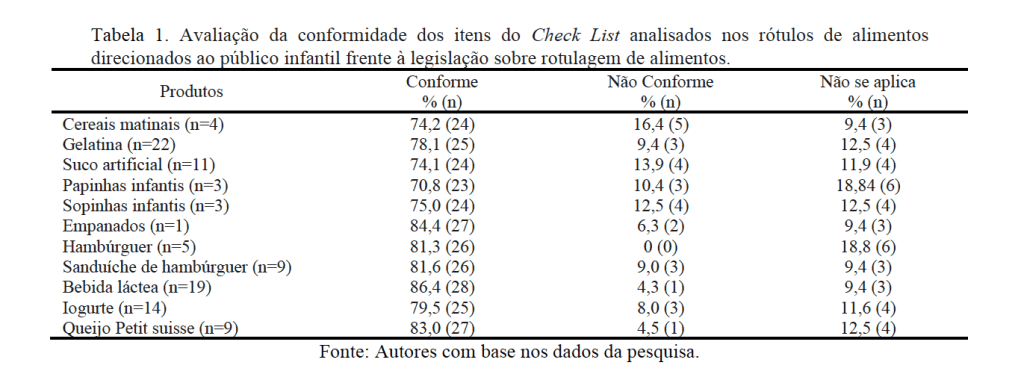
The offer of processed foods, especially the ultra-processed, is not recommended in the first years of life, since the consumption of these foods is associated with anemia, overweight and food allergies. The objective of this study was to evaluate the compliance of labels of processed foods intended for children with the Brazilian legislation in force and to analyze the levels of sodium, free sugars, sweeteners and total, saturated and trans fats described on the label. The nutrients were evaluated based on the PAHO Nutritional Profile Model. The results of the evaluation showed that the labels showed some non-compliance with the standards required by current legislation on food labeling.