Article published in the book Propuestas para Chile 2024. The research was developed within the framework of the UC 2024 Public Policy Competition. Despite existing regulations, in Chile there are still deficiencies in the legibility and comprehension of labeling, exposing the population, especially those with dietary restrictions, to health risks. This report proposes a new graphic standard for labeling, based on a study of 300 products and a usability test that revealed legibility problems in aspects such as the size and contrast of the typography, the format of the allergen declaration and the difficulty to identify the ingredients section.
labeling
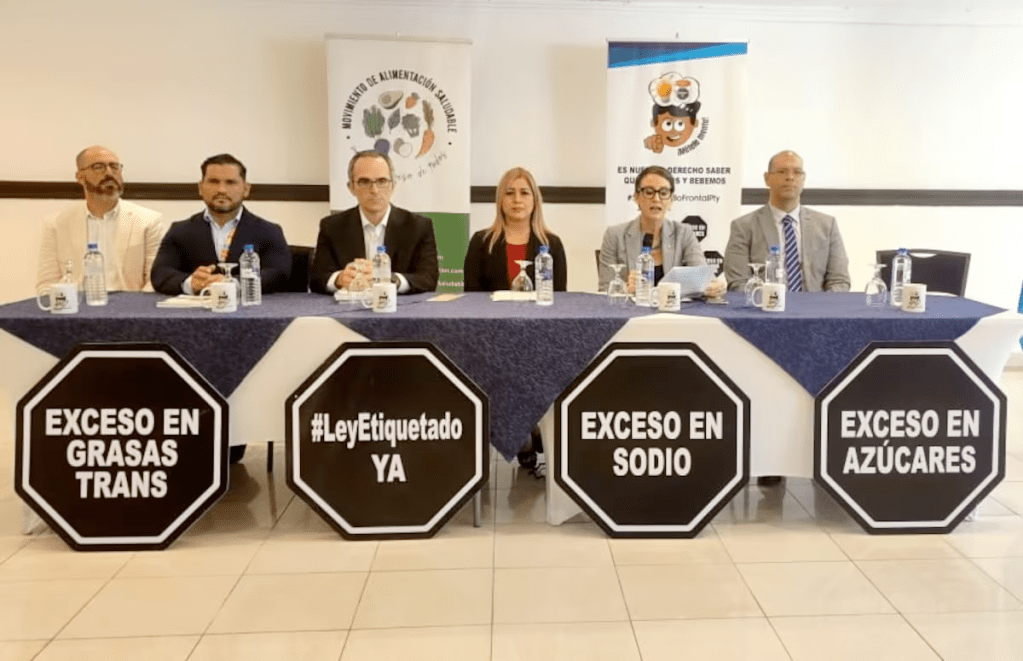
Panama – Healthy Eating Movement asks deputies to approve the bill on nutritional labelling
The Healthy Eating Movement requested this Thursday, October 17, the National Assembly to approve Bill 57, which proposes the implementation of a nutritional warning front labeling on various products.
In a press conference, members of the group explained that the measure seeks to reduce the incidence of chronic non-communicable diseases such as diabetes, renal and cardiovascular diseases and cancer, all related to the excessive consumption of processed products high in salt, sugar and fats.
They even indicate that this is shown by statistics. The 2019 Health Census revealed that 13% of children under 5 years of age and 37% of school-age children and adolescents in Panama are overweight.
Haiti – The Ministry of Commerce strengthens its actions for consumer protection
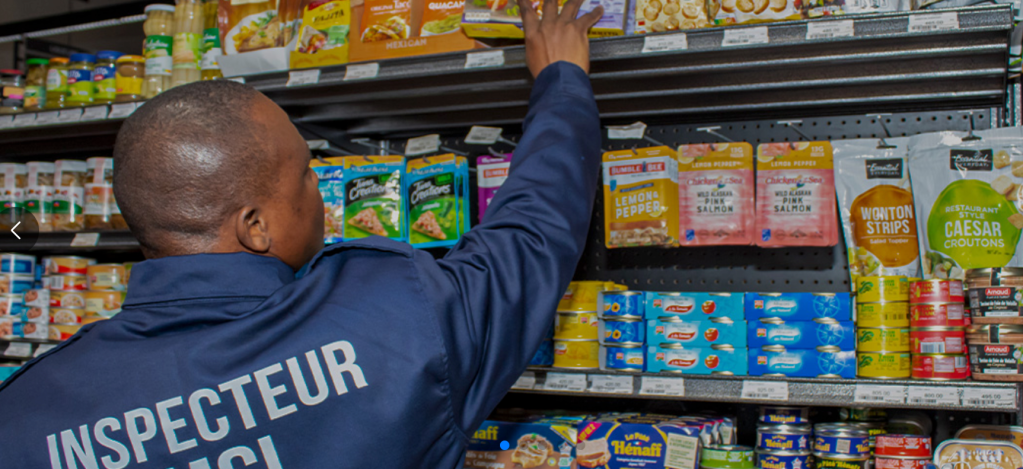
As part of its commitment to ensure optimal consumer protection, the Ministry of Commerce and Industry (MCI) is stepping up its market control efforts through an extensive inspection operation to be carried out starting in October. 9 to 12, 2024. This initiative affects supermarkets, warehouses in the capital and surrounding communities, where rigorous controls will be carried out on a wide range of products.
Under the direction of Minister James Monazard, more than a dozen newly sworn-in inspectors will carry out inspections to verify several essential aspects: the price of staple products; the quality and condition of the products offered for sale; the storage and conservation conditions of food products, particularly refrigerated and frozen; the labeling and presentation of products in accordance with the standards in force; the proper functioning of sales facilities, including gas stations, to ensure the accuracy of pumps.
Argentina – CONAL publishes several draft amendments to the Food Code related to alcoholic beverages, enzymes and labelling of foods and food supplements
The National Food Commission (CONAL in Spanish) has announced a series of draft amendments to the Argentine Food Code, specifically on the following topics:
- Incorporation of dehydrated grape pomace.
- Incorporation of dried apple pomace
- Incorporation of partially dealcoholized and dealcoholized wine.
- Incorporation of new enzymes for food use, Inc. of incorporation of microbiological criteria in article 1192.
- Incorporation of glazing additives and anti-humectants / anti-caking agents in fruits.
- Modification of Articles 1381 and 235.

Costa Rica – Labeling, responsible and sustainable food consumption: Consumer perception in Costa Rica
Over the last few decades, there has been growing interest on the part of consumers in sustainable agri-food products. As a result, voluntary standards have emerged as a tool to promote sustainability in production and consumption in agri-food value chains. Objective. To evaluate the profile of consumers and the degree of knowledge of sustainability seals for agricultural products in Costa Rican markets. Materials and methods. During October and November 2021, a nationwide virtual survey was conducted through the Qualtrics platform, from which 397 valid responses were collected. The sustainability seals considered were certifications of organic production, fair trade, denomination of origin, country-essential Costa Rica brand and carbon neutral. The Poisson regression model (PRM) was used to study the behavior of the variables, using Stata software version 16.0. Results. The Essential Costa Rica seal is the most recognized. People residing in the Greater Metropolitan Area (GAM) are more familiar with various seals. The income variable turned out to be a significant factor; those with higher incomes tend to identify and value sustainability seals more. The level of knowledge and consumption of certified products increases when the consumer has some link to the agricultural sector. Conclusions. People’s interest in certified products is not reflected in their purchasing behavior, due in part to the price of the products, lack of trust or excessive information on labels. The findings of the study allow companies to define their marketing strategies according to the characteristics of the consumers of these differentiated products.
 infoAlimentario