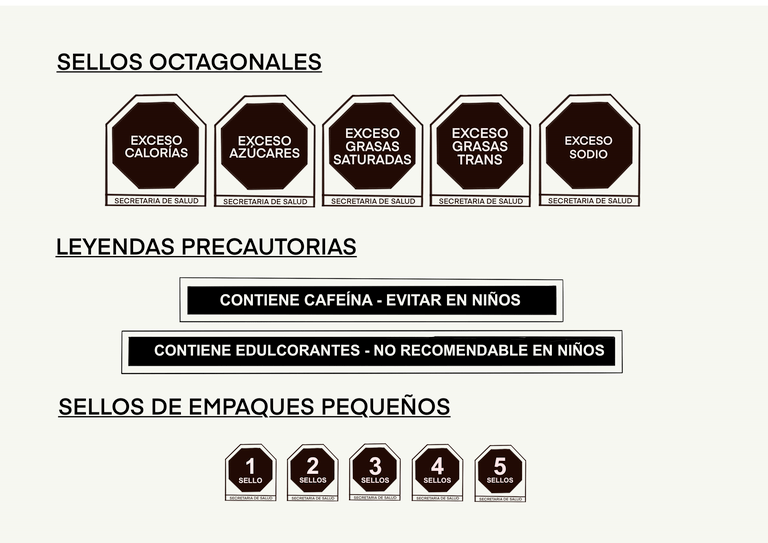
The Senate Health Commission is currently engaged in discussions regarding a proposed law that mandates the labeling of ultra-processed foods and restricts their advertising. There is ongoing debate about the definition of ultra-processed foods and their impact on overweight and obesity rates. Over four sessions, lawmakers have heard from nutrition experts and industry representatives, including organizations like FAO and various academic and consumer associations, to gather technical insights before voting on proposed amendments.
The initiative, led by Senator María José Gatica and supported by other legislators, defines ultra-processed foods as those containing more than five ingredients derived from industrial processes. It also stipulates that advertising for these products cannot target individuals under the age of fourteen, covering all forms of promotion in both traditional and digital media.
Proponents of the bill argue that it is essential to improve public nutrition in light of high obesity rates. They highlight that products with numerous ingredients often contain high levels of saturated fats and calories, adversely affecting cardiovascular health. A diet focused on non-industrial foods is suggested to help prevent diseases such as hypertension, diabetes, and certain cancers. The NOVA classification system, developed by the University of São Paulo, has been referenced in the debate, categorizing foods based on their level of processing.
However, industry representatives have raised concerns about the NOVA classification, noting that it has not been officially recognized by international bodies like the WHO and FAO, and that the number of ingredients does not necessarily reflect a product’s nutritional quality. They also argue that some ultra-processed foods play important roles in public nutrition programs for vulnerable populations, such as infants, pregnant women, and the elderly.

 infoAlimentario