Argentina – National Food Commission holds 156th ordinary meeting

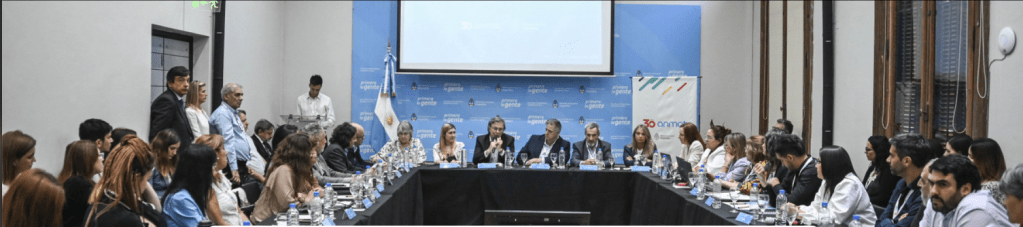
The 156th Meeting of the National Food Commission (CONAL in Spanish) was held at the headquarters of the National Ministry of Health in the City of Buenos Aires, with the participation of national authorities and jurisdictional referents from all over the country, both in person and virtually.
During the meeting, the Commission agreed to send 6 dossiers to be processed for the signing of the Joint Resolution, such as the modification of articles 235 and 1381 to incorporate health claims (HPS) in labeling, the incorporation of additives in fruits and the inclusion of dehydrated grape pomace and dehydrated apple pomace.

Five projects were referred to the Public Consultation instance, including the modification of the articles referred to outlets for meat food and the incorporation of chia mucilage, monk fruit extract, olive leaves and sake.

Finally, the committee introduced new topics to be addressed, such as the incorporation of pink pepper, pecan nut by-products, and the characterization of virgin coconut and virgin palm oils.

It was also agreed to include the proposed incorporation of regional botanicals for alcoholic beverages, canned caper leaves and the request to update articles 760 and 551, referring to labeling, among other topics.
Argentina – National Food Commission held its 155th ordinary meeting

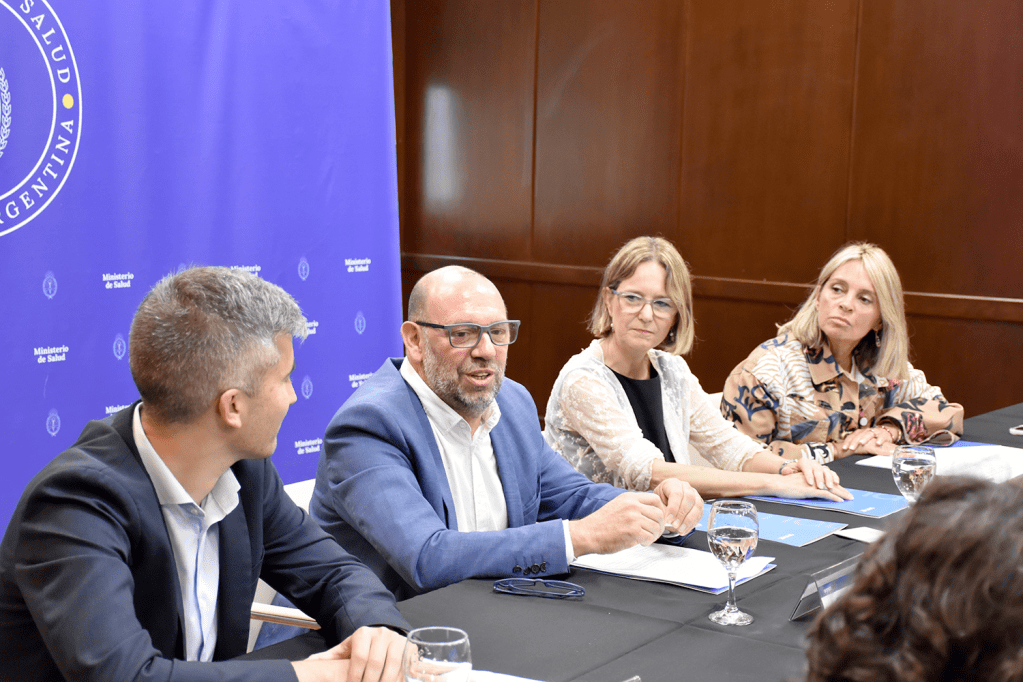
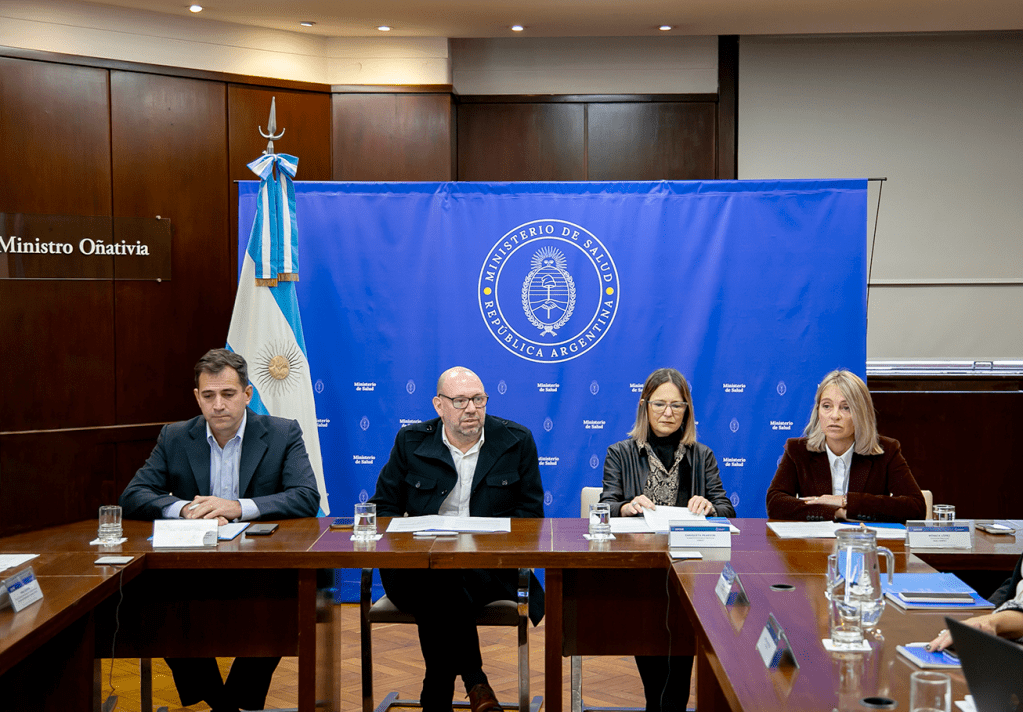
The National Ministry of Health held the 155th Meeting of the National Food Commission (CONAL in Spanish) with the participation of national authorities and other interested parties.
During the meeting, the Commission agreed and forwarded 7 dossiers to the final stage of administrative processing, such as the incorporation of hydroelectrolytic supplements, edible flowers, vegetable arropes and flour, incorporation of canary seed, fruits of the butia yatay palm tree and additives. The projects for the modification of articles 235 and 1381 were referred to the Public Consultation instance to incorporate Health Property Declarations (DPS) for use in labeling, as well as the incorporation of additives in fruits and microbiological criteria in herbs for infusion, among others.
Among the dossiers that were submitted simultaneously to the CONAL Advisory Council (CONASE) and to the Public Consultation are the incorporation into the Argentine Food Code (CAA) of dehydrated grape pomace and apple pomace, the incorporation of new enzymes that were presented within the framework of the “Instructions for the application of articles 1263 and 1263 bis”, among others.
The work of the working groups coordinated by the National Food Institute (INAL), such as “Microbiological Criteria, Food Additives, Food Enzymes and Updating of Chapter II”, was highlighted. The latter presented a proposal for the modification of the articles referring to meat food outlets.
Finally, the Commission introduced new topics to be addressed, such as the incorporation of olive leaf for infusion, sake and a request to update the articles on lemon juice.
It should be noted that INAL presented the update of the document “Guidelines for the declaration of allergens and substances capable of producing adverse reactions in susceptible individuals”, which was recommended and published on CONAL’s web page.

Argentina – CONAL addresses update of the Food Code at its 154th ordinary meeting on tea, enzymes and farinaceous foods

During the meeting (154th) the Commission agreed on and submitted 5 files for administrative processing related to various proposals to amend the Argentine Food Code (AAC), such as the characterization of flavored tea, the inclusion of enzymes, the updating of articles on farinaceous foods, the inclusion of capers and the updating of the articles on peanuts and derivatives, proposals worked on by the National Food Institute (INAL in Spanish).

During the meeting, several topics were discussed, such as the progress on the proposal submitted by INAL to amend articles 235 and 1381 on food labeling in general and dietary supplements to incorporate Health claims (DPS in Spanish) for use in labeling. Likewise, it was agreed to refer the projects for the incorporation of arropes, hydroelectrolyte supplements, additives, edible flowers and the Butia palm tree to the Public Consultation stage.

Argentina – The 151st Meeting of the National Food Commission was held with emphasis on hemp, gluten-free food and labeling of alcoholic beverages

On September 7, the first working day of the 151st Meeting of the National Food Commission (CONAL) was held. The Secretary of Health Quality, Alejandro Collia, who opened the meeting, highlighted the federal work of the commission and urged to continue seeking consensus in order to reach the necessary agreements for food safety.

The topics discussed at the meeting were:

  • Incorporation of hemp seed and derivatives (seed oil and flour) to the regulatory framework and the incorporation of CBD in food will continue to be discussed in future meetings.
  • Modification of the definition of Gluten-Free Foods and its distinctive symbol, which promotes expanding the range of foods available to the celiac population.
  • Publication in public consultation of a project of the Ministry of Health based on the labeling of alcoholic beverages, which includes the replacement of the pictogram on alcohol consumption during pregnancy and breastfeeding, accompanied by a warning phrase, as well as the mandatory placement of the legend “IF YOU ARE GOING TO DRIVE, DO NOT DRINK ALCOHOL”.

Argentina – Future developments at the 147th Regular Meeting of the CONAL

The Secretary of Agriculture, Livestock and Fisheries of the Nation, Juan José Bahillo, participated today in the opening of the 147th Regular Meeting of the National Food Commission (CONAL in Spanish), which will meet for two consecutive days and which has on its agenda topics such as foods entering public consultation and progress with the vegan/vegetarian and organic and inorganic contaminants working groups and others.

During the meeting, the proposed framework for fortified, added and electrolyte beverages was analyzed; the reports of different working groups were presented, such as contaminants in edible algae, rice flour, sea salt and dry brewer’s bagasse; microbiological criteria for pollen, herbs for infusions and Helix snail eggs “snail caviar” were discussed; and the inclusion of the fungus Ganoderma Lucidum in the Argentine Food Code was discussed.