Brazil – ANVISA discloses results of analysis on supplements

THE National Health Surveillance Agency (ANVISA in Portuguese) analyzed 41 creatine dietary supplements available in the Brazilian market. The products involve a total of 29 manufacturing companies. The evaluation was conducted in order to verify the regularity of these products in three specific aspects:

Creatine content;
Adequacy of labeling.
Presence of foreign matter.

For the analysis, a survey was carried out of the creatines most sold in the Brazilian market, in packages of 300 grams, which is the most common in the market. The sample collection was carried out in the second semester of 2024, in supplement manufacturing companies. Only in the state of Rio de Janeiro were samples collected by the State Health Surveillance (Visa) in the retail market. The other participating states were São Paulo, Santa Catarina, Paraná and Espírito Santo, following the market concentration in these states.
Dominican Republic – Ministry of Health extends deadline for submitting opinions on Food and Beverage Sanitary Regulations

The Ministry of Public Health announces the extension of the public consultation period on the Food and Beverage Sanitary Regulations. he purpose of these regulations is to establish the sanitary conditions and regulations to which the following processes must conform: production, handling, import, export, processing, packaging, storage, distribution, transportation and sale of food for human consumption; to authorize the commercial establishment, in order to preserve the nutrition and health of the population; and to monitor compliance with these regulations, to ensure the supply of healthy and safe products, as well as their advertising.

Deadline for receipt of opinions: Thursday, May 15, 2025.

Brazil – Bill proposed to require food labels to indicate alcohol content

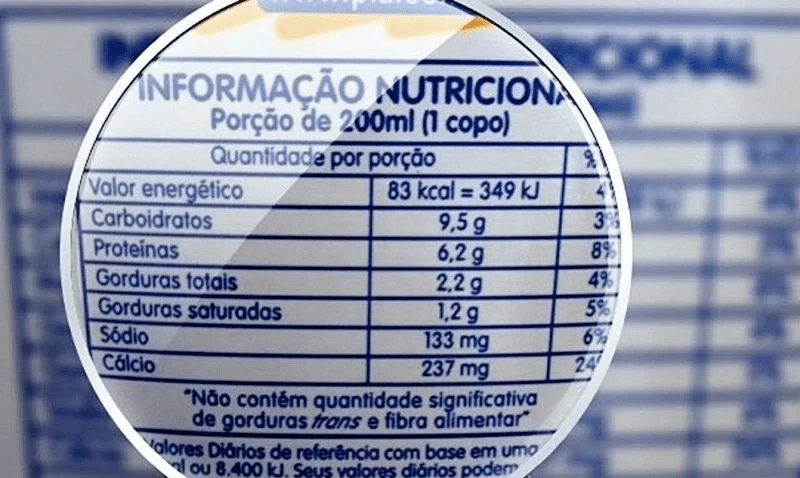
A bill currently before the Chamber of Deputies proposes to make mandatory the inclusion of information on alcohol content on food labels. Bill 447/25 covers all food products containing alcohol, regardless of whether its origin is by intentional addition or the result of fermentation processes.
The proposal aims to protect the health of vulnerable groups, such as children, adolescents, pregnant women and people who use medications that interact with alcohol.
The requirement that information on alcohol content be displayed in a visible place on the package seeks to ensure transparency and food safety.
Failure to comply with the rules set forth in the bill will subject offending companies to the penalties provided for in the Consumer Protection Code (CDC).

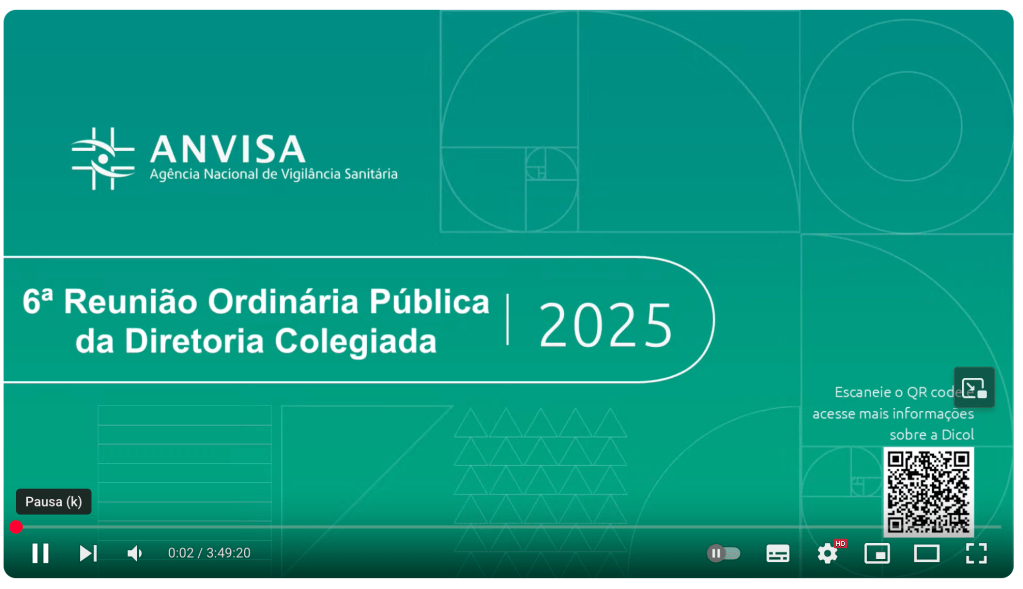
Brazil – DICOL announces review of regulations on new ingredients, food supplements, and health claims list at its 6th meeting

The agenda for the day included the proposals for public consultation of the IN to establish specifications for the identity, purity and composition of ingredients authorized for use in food; for public consultation of the RDC to amend RDC 243/2018, which provides for health requirements for food supplements, RDC/2023, which provides for safety testing and authorization for use of novel foods and novel ingredients, and IN/2018, which provides for lists of components, limits of use, declarations and supplementary labeling of food supplements.

Argentina – ANMAT announces new amendments to the Argentine Food Code related to mycotoxins, food additives, and cider

The National Administration of Drugs, Food, and Medical Technology (ANMAT in Spanish) has announced new amendments to the Argentine Food Code, related to: Mycotoxin Limits (Article 156 of the CAA): – – —

  • Mycotoxin limits are incorporated into Article 156 for certain food categories. Mycotoxins are toxic compounds produced by certain types of fungi that grow in various foods under specific conditions. They are heat-stable and resistant, persist during the milling, washing, and processing of food products, and can enter the food chain directly. Joint Resolution No. 15/2025 of the Secretariat of Health Management and the Secretariat of Agriculture, Livestock, and Fisheries.

  • Additive Labeling (Chapter V of the CAA): The criteria between the Food Code and Mercosur regulations regarding the labeling of additives are harmonized. Joint Resolution No. 16/2025 of the Secretariat of Health Management and the Secretariat of Agriculture, Livestock, and Fisheries.
  • Cider and Incorporation of Pear Cider (Article 1085 of the CAA): The articles on the definition, characteristics, and labeling of apple cider, as well as products made with cider, are updated. Cider obtained exclusively from pear must is incorporated into the Argentine Food Code, and sparkling ciders, musts, and added products are classified. In addition, the definition and physical and chemical characterization of pear cider are incorporated. Joint Resolution No. 17/2025 of the Secretariat of Health Management and the Secretariat of Agriculture, Livestock, and Fisheries.