By Supreme Decree No. 022-2022-SA, the term that allows imported products to use stickers with the advertising warnings provided in subnumeral 8.3 of numeral 8 of the Manual of Advertising Warnings approved by Supreme Decree No. 012-2018-SA, within the framework of the provisions of Law No. 30021, Law for the Promotion of Healthy Eating for Children and Adolescents, and its Regulation approved by Supreme Decree No. 017-2017-SA, is extended until June 30, 2023.
This Supreme Decree enters into force as of January 1, 2023.
EU – Nutrition labeling: Latin Americans are more advanced than Europeans
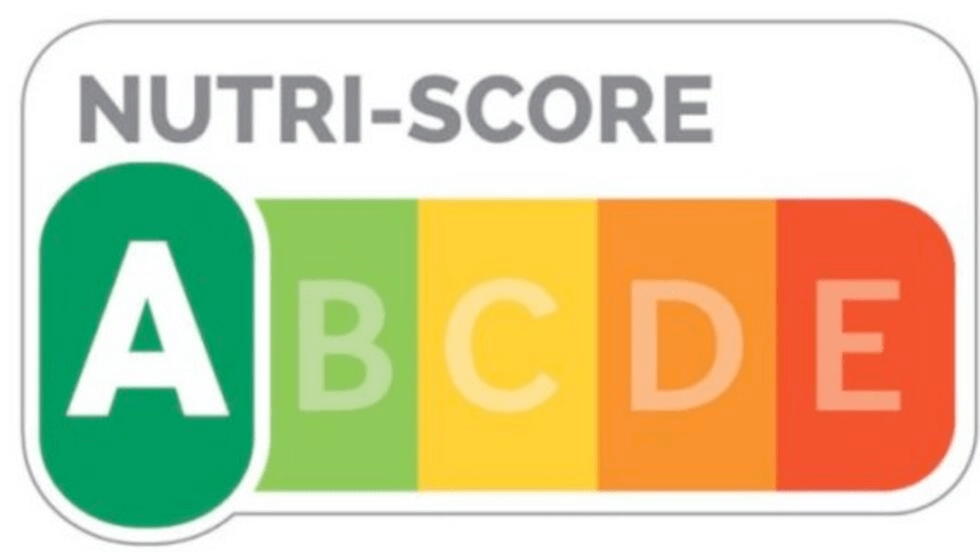
RFI interviewed Rafael Urrialde, professor at the Faculty of Biological Sciences of the Complutense University of Madrid and expert in food safety, on the reluctance of some European countries, especially Italy, to generalize the labeling of food products as is already done in several Latin American countries following the Chilean model.
Brazil – Anvisa publishes Q&A guide on foods containing whole grains
The National Health Surveillance Agency (Anvisa) has just published the first edition of the document Questions and Answers on Composition and Labeling of Foods Containing Whole Grains.
The publication is a non-regulatory tool, intended to clarify frequent doubts about the new regulation on the subject, i.e., the Resolution of the Collegiate Council (RDC) 712/2022, which provides on the compositional and labeling requirements for foods containing cereals. and pseudocereals for their classification and identification as whole grains and to highlight the presence of whole grain ingredients.
Brazil – MAPA publishes new regulations for the preparation of hamburgers
The Ministry of Agriculture, Livestock and Supply (MAPA in Portuguese) published Ordinance No. 724 which brings the new Technical Regulation of Identity and Quality for hamburgers produced in establishments dependent on the Federal Inspection Service (SIF), such as meat packing plants. The establishments will have a period of one year to adapt to the standards.
Argentina – Amendment to the Food Code on spices
The Secretariat of Agriculture, Livestock and Fisheries and the Secretariat of Health Quality published Joint Resolution 14/2022 amending the Argentine Food Code (CAA in Spanish) in Articles 1211, 1215, 1226, 1231, 1233, 1234, 1237, 1242 of Chapter XVI referring to spices (Oregano, Marjoram, White Pepper, Black Pepper, Thyme).
 infoAlimentario