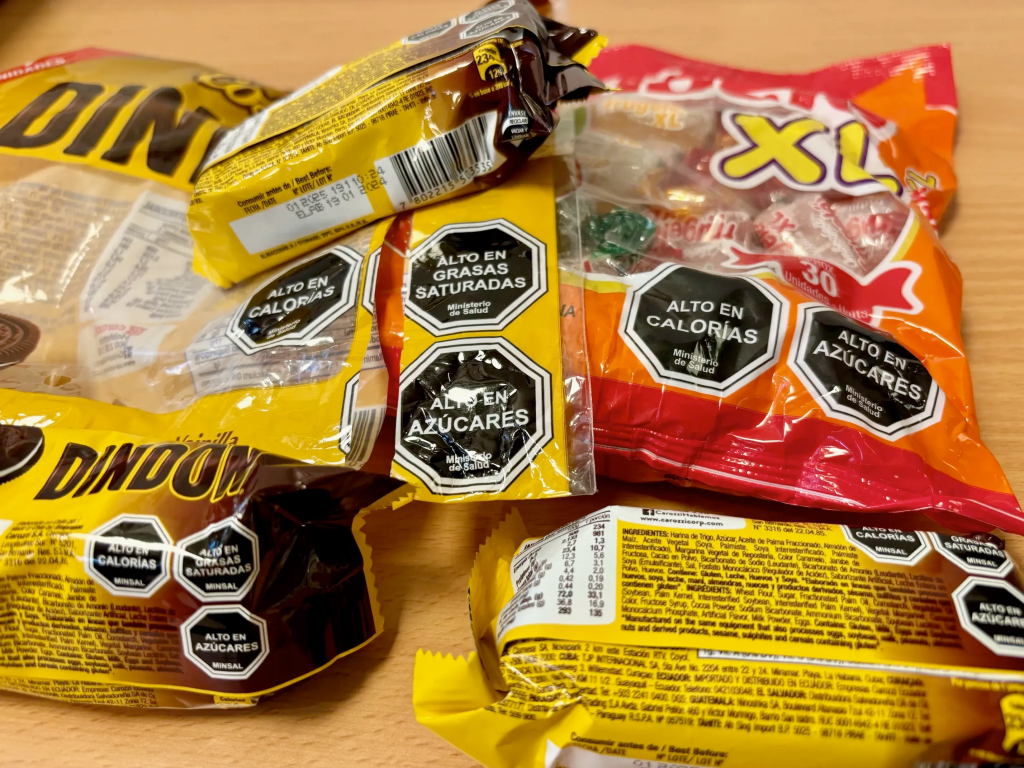
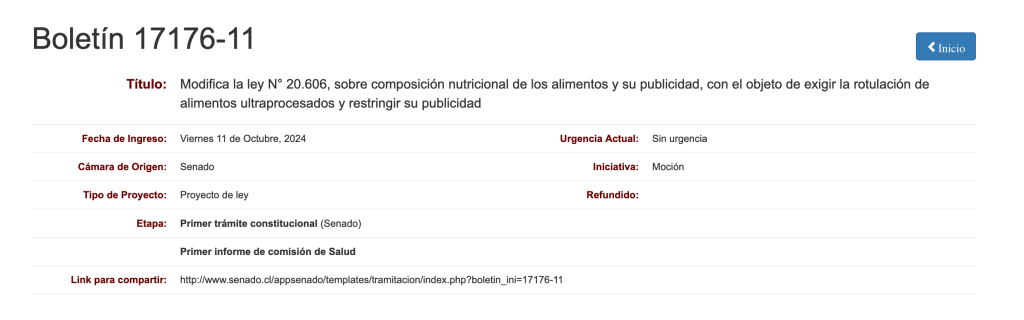
The draft amendment was proposed by senators María José Gatica and Ximena Ordenes and senators Juan Castro González and Alejandro Kusanovic, and will be analyzed by the Health Committee. The bill proposes to modify law 20.606, on the nutritional composition of food and its advertising, to label as “ultra-processed” those food products that contain more than five ingredients formed from chemical-industrial processes.
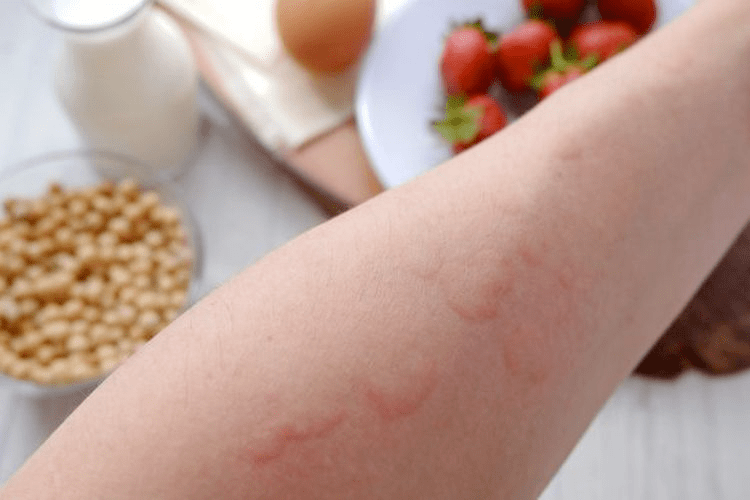
National Deputy Oscar Agost Carreño (Encuentro Federal) presented a bill aimed at protecting millions of Argentines who suffer from food allergies (Food Allergen Law) by implementing a clear and mandatory labeling system to warn about the presence of allergens in food. The project seeks to align local regulations with international best practices, establishing standards for packaging to visibly indicate the presence of common allergens, such as milk, egg or gluten. This measure would allow consumers to quickly identify products that pose a risk to their health and avoid accidental exposure.
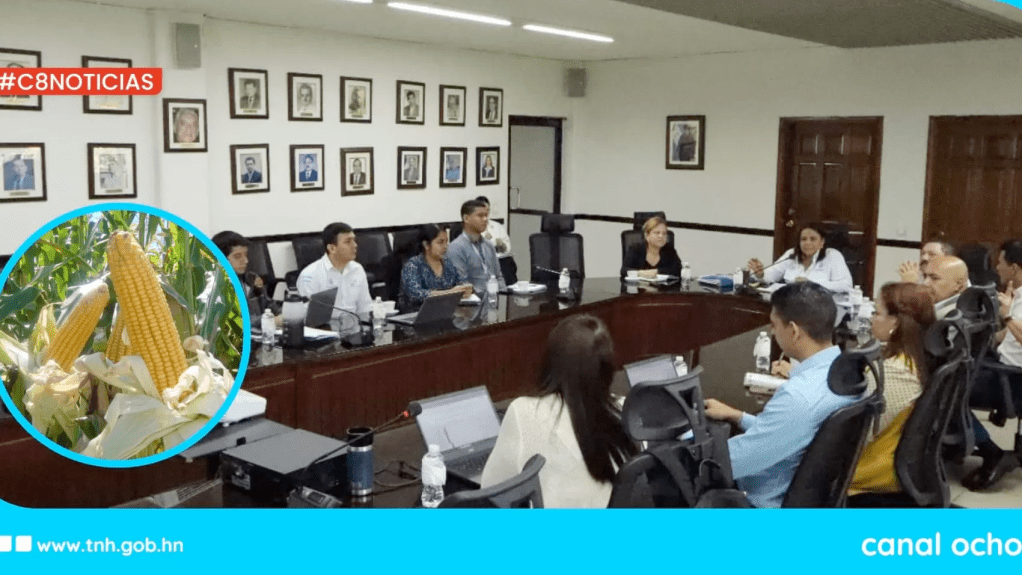
The government of President Xiomara Castro, through the Secretariat of Agriculture and Livestock (SAG in Spanish), the Secretariat of Economic Development (SDE in Spanish) and the Health Regulation Agency (ARSA in Spanish), began work on a new technical regulation for corn flour.
This initiative, which responds to the demands of national producers, seeks to guarantee the quality and safety of this basic product in the Honduran market.
It is also expected that the regulation will help strengthen the competitiveness of the sector and protect the interests of consumers.
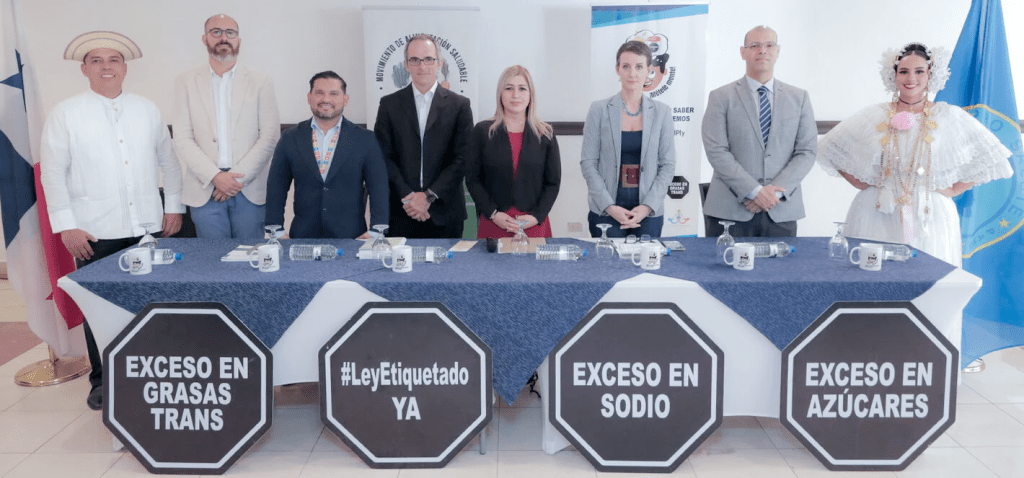
In an event of great relevance for public health in Panama organized by the Healthy Food Movement, the Pan American Health Organization/World Health Organization (PAHO/WHO), the Food and Agriculture Organization of the United Nations (FAO) and the United Nations Children’s Fund (UNICEF) jointly presented their position in favor of Front Nutritional Warning Labeling.
This initiative, promoted by Congressman José Pérez Barboni and supported by civil society, seeks to strengthen the draft bill No. 57 and protect healthy eating, public health and human rights of Panamanians.
Obesity and non-communicable diseases (NCDs) related to inadequate nutrition represent a serious public health crisis in Panama. Data from the 2019 National Health Survey are alarming: 34% of children and 71.1% of adults are overweight or obese. These figures are in line with the global trend that highlight the urgency of adopting cost-effective measures to improve the population’s diet.
The Secretary of Public Education (SEP), Mario Delgado Carrillo, presented the new Healthy Life in Schools guidelines and actions, in order to contribute to the full exercise of the right to nutritious, sufficient and quality food in schools for children, adolescents and young people.
During his participation in the “Mañaneras del Pueblo”, led by President Claudia Sheinbaum Pardo, he recalled that last September 30, the Ministries of Public Education (SEP) and Health, published the General Guidelines to which the preparation, distribution and sale of prepared, processed and bulk food and beverages, as well as the promotion of healthy lifestyles in food, must be subject to within any school of the National Education System (SEN).
He stated that these guidelines will come into force in 180 days and will be mandatory as of March 29, 2025 in all schools of the three types of education of the SEN: Basic, Upper Secondary and Higher Education, so the 258,689 schools in the country will have to comply with them.
 infoAlimentario