Brazil – ANVISA modifies regulations on technological functions, maximum limits, and the conditions of use of food additives and authorized technological aids for use in food

The National Health Surveillance Agency (ANVISA in Portuguese) has published Normative Instruction No. 432 of ANVISA, dated April 1, 2026, which modifies Normative Instruction No. 211, dated March 1, 2023, which establishes the technological functions, maximum limits, and conditions of use of food additives and technological adjuvants authorized for use in food.

Article 1. This Normative Instruction modifies Normative Instruction No. 211, dated March 1, 2023, which establishes the technological functions, maximum limits, and usage conditions of food additives and authorized technological aids for their use in food.

Article 2. Annex III of Normative Instruction No. 211, dated March 1, 2023, is amended to include the exclusions listed in Annex I of this Normative Instruction.

Article 3. Annex III of Normative Instruction No. 211, dated March 1, 2023, is amended by incorporating the changes listed in Annex II of this Normative Instruction.

Article 4. Annex III of Normative Instruction No. 211, dated March 1, 2023, is amended to include food additives, their respective technological functions, maximum limits, and conditions of use as listed in Annex III of this Normative Instruction.

Article 5. Annex IV of Normative Instruction No. 211, dated March 1, 2023, will be amended to include processing aids, their respective technological functions, maximum limits, and conditions of use as listed in Annex IV of this Normative Instruction.

Brazil – ANVISA modifies the lists of components, usage limits, and claims in dietary supplements

The National Health Surveillance Agency (ANVISA in Spanish) has published Normative Instruction IN No. 431 of ANVISA, dated April 1, 2026, which modifies Normative Instruction No. 28, dated July 26, 2018, that establishes the lists of components, usage limits, claims and supplementary labeling for dietary supplements.

Updates:

I – “List of authorized components for use in food supplements, except those indicated for infants (0 to 12 months) or young children (1 to 3 years old),” as stated in Annex I;

II – “List of minimum limits of nutrients, bioactive substances, enzymes, and probiotics that dietary supplements must contain, in the recommended daily intake and by population group indicated by the manufacturer,” as stated in Annex III;

III – “List of maximum limits for nutrients, bioactive substances, enzymes, and probiotics that dietary supplements cannot exceed, in the recommended daily intake and by population group indicated by the manufacturer,” as stated in Annex IV;

IV – “List of authorized claims for use in the labeling of food supplements and their respective composition and labeling requirements,” as stated in Annex V; and

V – “List of additional labeling requirements for food supplements,” as stated in Annex VI.

Brazil – ANVISA analyzes all requests related to food additives, and there are none outside the regulatory deadline

The National Health Surveillance Agency of Brazil (ANVISA in Portuguese) reports that the General Directorate of Food Management (GGALI in Portuguese) has reached a historic milestone: the requests related to food additives have been analyzed, and none are past the regulatory deadline. In February and March, 62 requests were analyzed, which allowed the deadlines to be regularized.

The result is the fruit of a strategic and collective effort by the unit’s technical teams and demonstrates the effectiveness of the queue management plan adopted by GGALI, which organized and prioritized the analyzes by queue.

The operation was carried out by a team composed of four newly hired specialists in Regulation and Health Surveillance (through a public competition) and two specialists who were already part of Anvisa’s staff. The professionals worked directly on the analyzes, properly trained and integrated into the activities of the technical area, under the direction of a specialist with extensive experience in food additives.

The work also benefited from the support of the Risk Assessment and Efficacy Management Directorate (GEARE in Portuguese), as well as the teams from the Food Regulation Directorate (GEREG in Portuguese) and the Coordination of Food Standards and Regulations (Copar) in other areas, strengthening collaboration between units and the integration of GGALI teams. Currently, there are only three applications pending analysis, all of them corresponding to the year 2026.

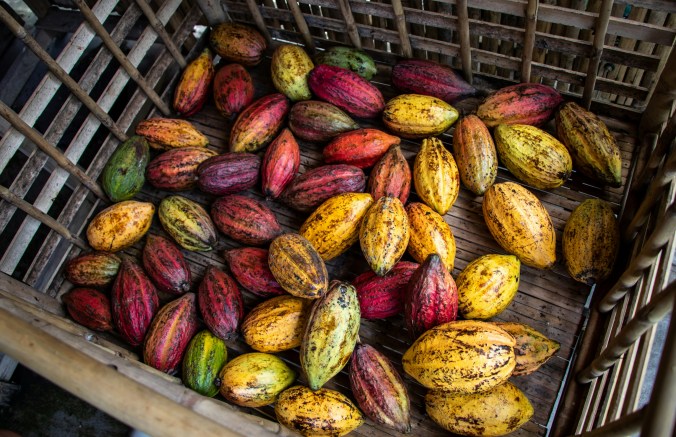
Brazil – Brazil’s Chamber of Deputies approves bill regulating the percentage of cocoa in chocolates

The minimum percentage of cocoa was approved by the Chamber of Deputies and will modify the definition and labeling of chocolate in Brazil. The bill establishes new composition criteria, creates categories, and eliminates traditional market denominations.

The minimum cocoa percentage changes the definition of chocolate.

The approved text redefines the parameters for the minimum percentage of cocoa in products.

Among the main points:

  • Milk chocolate will now require a minimum of 25% cocoa solids.
  • It will also require 14% of dairy solids or derivatives.
  • The category of sweet chocolate is created, with 25% cocoa.
  • Within this category: at least 18% must be cocoa butter and 12% fat-free solids.

The bill also stipulates that peels and waste will not be considered in the calculation, which increases the technical rigor of the formulations.

Paraguay – The Ministry of Public Health emphasizes the importance of regaining a multidimensional approach to nutrition

The Ministry of Public Health, thru the General Directorate of Health Promotion, emphasizes the importance of adopting a multidimensional approach to nutrition, based on scientific evidence and the sustainability of habits.

In the current context, characterized by the proliferation of restrictive diets and the promotion of “superfoods” on digital platforms, citizens are urged to adopt a critical perspective toward nutritional misinformation, with a clear and evidence-backed message: healthy eating is not built on dogmas or idolized ingredients, but thru a comprehensive approach that considers multiple dimensions of life.

We live in a true information chaos where everything seems black or white, good or bad, gluten yes or no, carbohydrates friends or foes. But nutrition is much more complex. From this general direction, we have been observing how these trends generate confusion and, in many cases, an unhealthy relationship with food,” stated Lic. Gustavo Montañez, General Director of Health Promotion.