Uruguay – According to importers, digital front labeling of food will increase the final price of consumer products

A bill, approved last April by the Chamber of Deputies, establishes that all manufacturers, fractionators or importers must include digital front labeling on the packaging or label of their products.

This digital labeling must contain “sufficiently precise information” that allows the consumer to access it through an online query, for example, by reading a code through any mobile device.

Among the basic required data that must be included are: the manufacturer, the fractionator, the manufacturer, the fractionator, the importer, and the authorizations and warnings. These must match those printed on the physical label of the product, “in compliance with the current regulations for its commercialization in the national territory.”

Panama – Draft Bill Presented to Establish Front-of-Pack Labeling and Nutritional Warnings

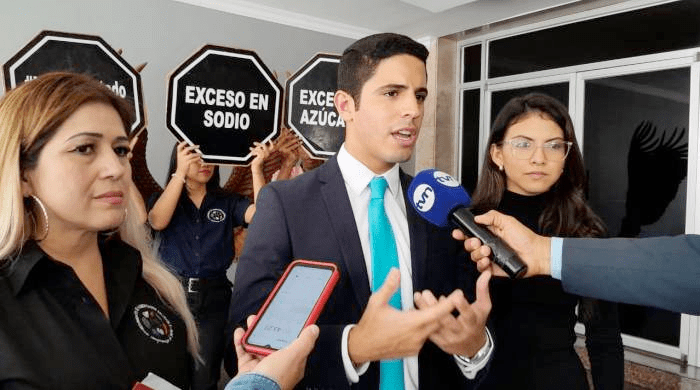
The draft law presented by the deputy of the Movimiento Otro Camino (MOCA in Spanish), José Pérez Barboni, which seeks to establish “front labeling and nutritional warning” on ultra-processed products so that consumers are aware of the excess sugars, sodium, fats and calories is questioned by consumers and businessmen who indicate that this will increase the cost of the products.

Ángel Pérez, former president of the Panamanian Association of Business Executives (APEDE), Azuero Chapter, said that “front labeling does not harm the seller, it affects the entire industry. The products that have to be replaced increase in price, they no longer produce it, they change it for a more expensive one, it affects the pocket of the final consumer. The solution is food education.”

Panama – Congress will discuss a law to label foods with excess fat, sodium and sugar

A law to promote preventive health and informed consumption of ultra-processed products is the main objective of the draft bill on ”Front Labeling of Nutritional Warnings” presented by Deputy José Pérez Barboni, of the Movimiento Otro Camino (Moca), to the plenary of the National Assembly on July 25.

This regulation would allow consumers to be informed about products with excess fats, sugars, sodium and other components that may be harmful to health. The labeling would be printed on the product in the form of a black octagon with a border and white capital letters that the consumer can easily identify.

If approved, the Ministry of Health (Minsa) would be the governing body that would regulate the technical and nutritional parameters for product labeling. The law explains that for foods containing an excess of critical nutrients, the Minsa must ensure that the octagon has the word ‘Excess’, while for those containing sweeteners or stimulants, the word ‘Contains’ must be placed.

Dominican Republic – Congressmen approve law that prohibits the sale of soft drinks and processed food in school cafeterias

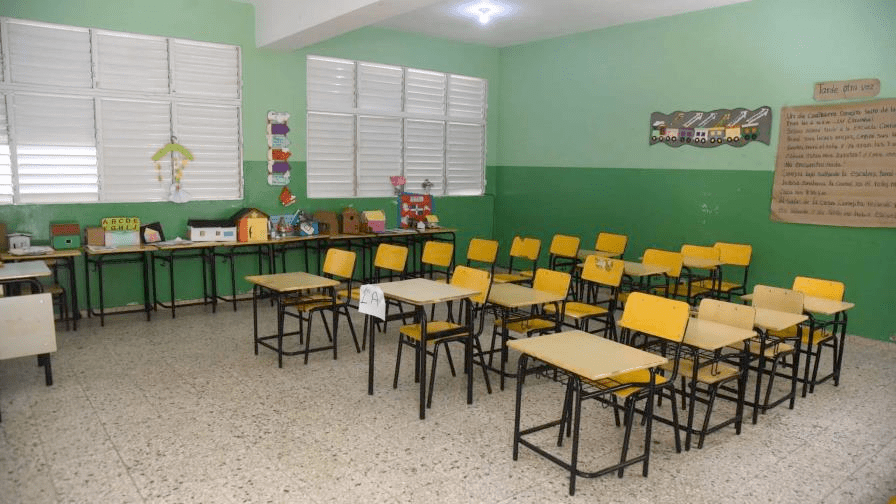
The Chamber of Deputies approved this Wednesday in second reading a school food and nutrition bill which, among other aspects, prohibits the sale of soft drinks and processed foods in school cafeterias.

The bill is authored by Deputy Nelsa Soraya Suárez and establishes that cafeterias will be prohibited from promoting, dispensing or selling ultra-processed products, with high sugar or sodium content, as well as sugary drinks “that are not healthy for children”.

Dominican Republic – INABIE and FAO ask legislators to approve the draft School Food and Nutrition Law

The National Institute for Student Welfare (INABIE in Spanish), the Food and Agriculture Organization of the United Nations (FAO) and the Parliamentary Front against Hunger asked deputies and senators to approve the draft Food and Nutrition Law School, whose main objective is to guarantee that food in schools is a State policy.

This seeks to promote a healthier and more nutritious diet from schools in line with the efforts that have been made by Inabie.