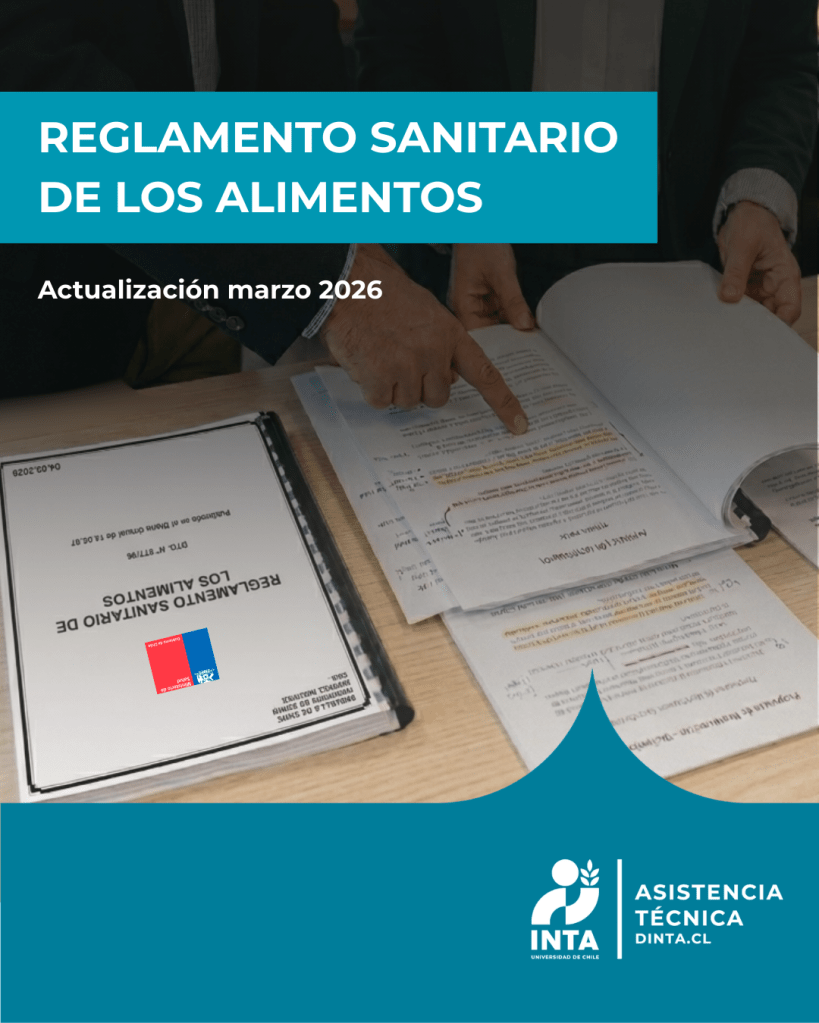
The latest version of the Sanitary Food Regulation Decree 977/96 is published.
Updated as of March 6, 2026
Regulatory news in the Americas
The latest version of the Sanitary Food Regulation Decree 977/96 is published.
Updated as of March 6, 2026
The National Institute for Food Safety has published draft Food Law of Suriname was submitted to the National Assembly on 6 March 2026 for parliamentary consideration. The proposed legislation aims to establish a modern legal framework for the safety and quality of food produced, imported, and marketed in Suriname he current food legislation dates back to 1911 and no longer fully reflects the realities of modern food production, trade, and consumer protection. The proposed Food Law introduces a comprehensive framework for the entire food chain, including the registration and recognition of food businesses, strengthened oversight and inspection, and the possibility to recall unsafe food products from the market.
The law also strengthens the role of the Nationaal Instituut voor Voedselveiligheid Suriname as the national authority responsible for food safety oversight.
The General Directorate of Food Management (GGALI in Portuguese) under the National Health Surveillance Agency (ANVISA in Portuguese) has published a manual “Sanitary Regulation of Food Supplements.” This material is part of the training itinerary on the Sanitary Regulation of Food Supplements and systematically and progressively compiles the content developed throughout the six modules of the course. The material was designed to facilitate technical understanding and practical application of the current regulatory framework, considering the responsibilities of the regulated sector and the National Health Surveillance System. It addresses the fundamentals that define what dietary supplements are and who they are intended for, the registration and electronic notification procedures, the composition criteria, and the evaluation of the safety and efficacy of their components, as well as the applicable regulations for general and nutritional labeling. The content articulates normative concepts, regulatory flows, and practical examples, allowing the reader to understand not only what the legislation requires but also why these requirements exist and how they should be implemented in daily professional practice.
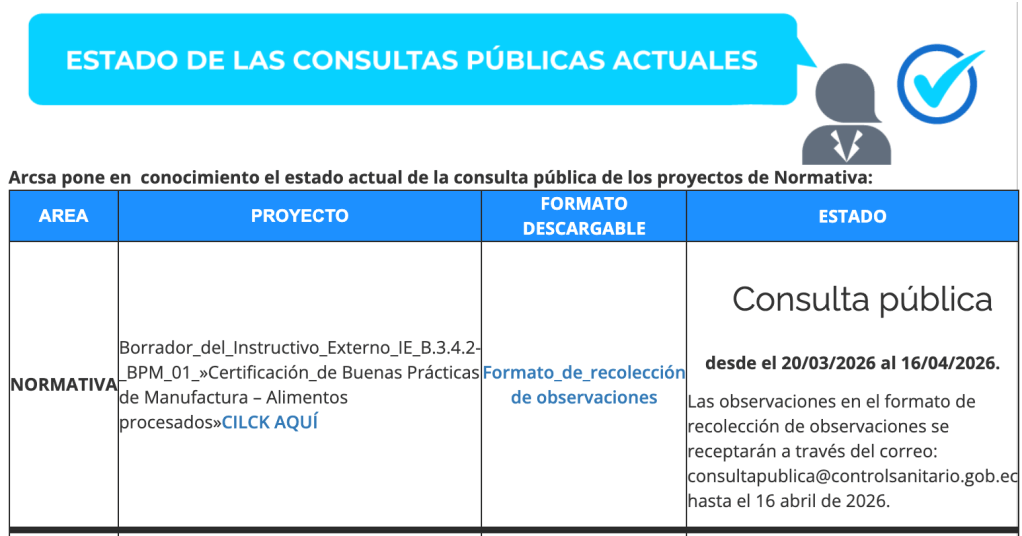
The National Agency for Regulation, Control, and Sanitary Surveillance (ARCSA in Spanish) has published a draft of the External Instruction Manual for Good Manufacturing Practices Certification – Processed Foods with the aim of establishing the necessary requirements and technical guidelines for certification in Good Manufacturing Practices (GMP) for food processing plants, both national and foreign.
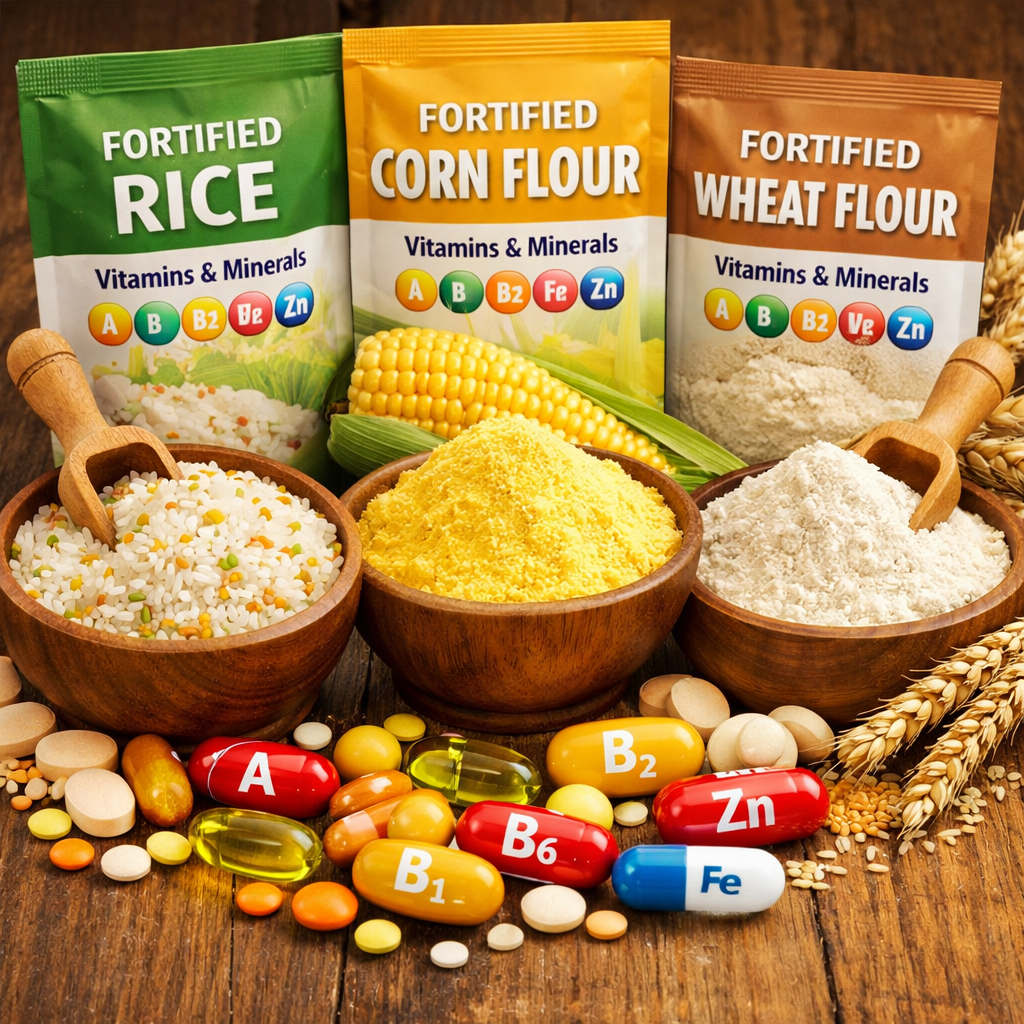
The Ministry of Health and Social Development (MSDS in Spanish) has published Decree No. 0380/2026, which establishes the technical requirements for the mandatory fortification of white or milled rice, corn flour, and wheat flour that are produced, imported, and marketed within the national territory.
The requirements contained in the technical regulation apply throughout the national territory to:
The Decree takes effect from the date of its publication in the Official Gazette. Decree 1944 of 1996 will remain in effect during the transition period of twenty-four (24) months established in Article 19 of this administrative act.
 infoAlimentario