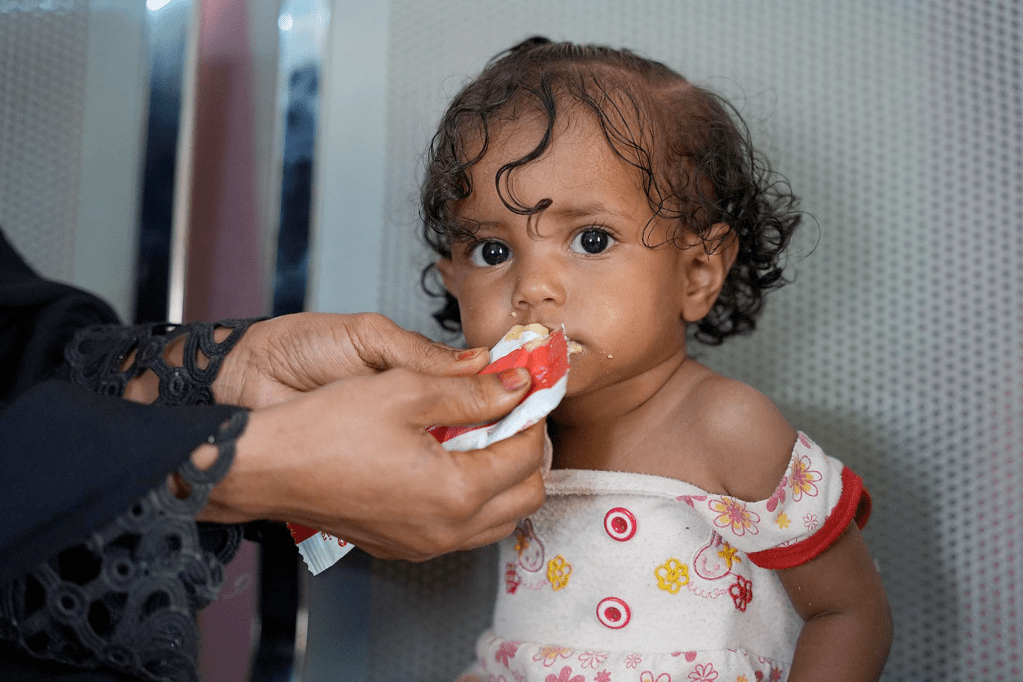
Codex – New Codex guidelines pave the way for innovation for ready-to-use therapeutic food (RUTF)

Codex guidelines for ready-to-use therapeutic food (RUTF) were adopted at the 45th session of the Codex Alimentarius Commission on 21 November and are set to pave the way for new innovative versions of the life-saving product. They will also enable governments to regulate safety effectively as manufacturers scale up production to tackle the malnutrition crisis affecting millions of children, especially in Africa and Asia.
WHO – Evaluation of certain food additives and contaminants: ninety-first report of the Joint FAO/WHO Expert Committee on Food Additives

The ninety-first meeting of the Joint FAO/WHO Expert Committee on Food Additives (JECFA) was convened by video-conference from 1 to 12 February 2021. The meeting was opened on behalf of the Director-General of the Food and Agriculture Organization of the United Nations (FAO) by Mr Jamie Morrison (Director of the Food Systems and Food Safety Division) and on behalf of the Director-General of the World Health Organization (WHO) by Mr Kim Petersen (Programme Manager, Department of Nutrition and Food Safety). Mr Morrison in his opening remarks welcomed all meeting participants, and stressed that, despite the challenges of the ongoing COVID-19 pandemic, the work of JECFA had progressed and continued to provide sound scientific advice to Codex and the Member States, largely thanks to the efforts and work of the JECFA experts. He reminded the participants about their responsibility to impart the most unbiased and best scientific advice possible, and that they had been invited to serve solely in their capacity as scientific experts to provide sound scientific advice and not as representatives of their employer or country. He closed by reiterating his sincere gratitude to all participants for providing their time and expertise to this JECFA meeting.

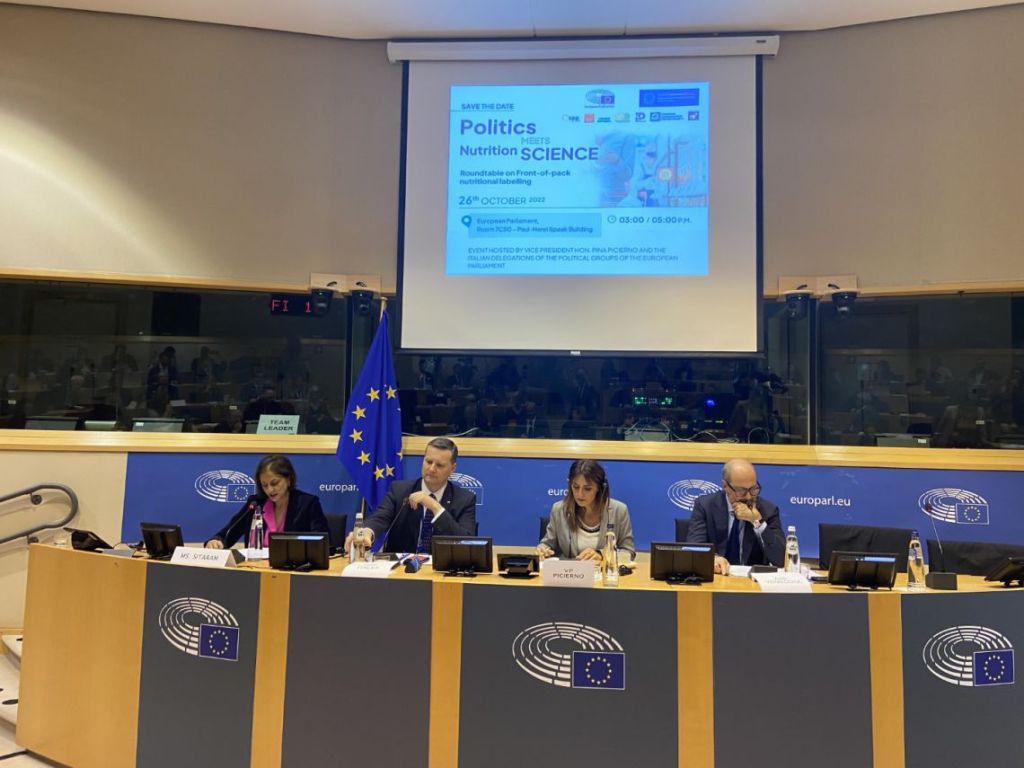
EU – Round table “politics meets nutrition science” at the european parliament

The Italian Permanent Representation to the European Union organised today at the European Parliament the “Politics meets Nutrition Science” roundtable hosted by Vice President hon. Pina Picierno under the auspices of the Italian delegations of the European Parliament’s political groups. The European Commission is expected to propose an harmonised EU front-of-pack labelling scheme in 2023 with a view of encouraging healthy diets and promoting a smoother functioning of the internal market.

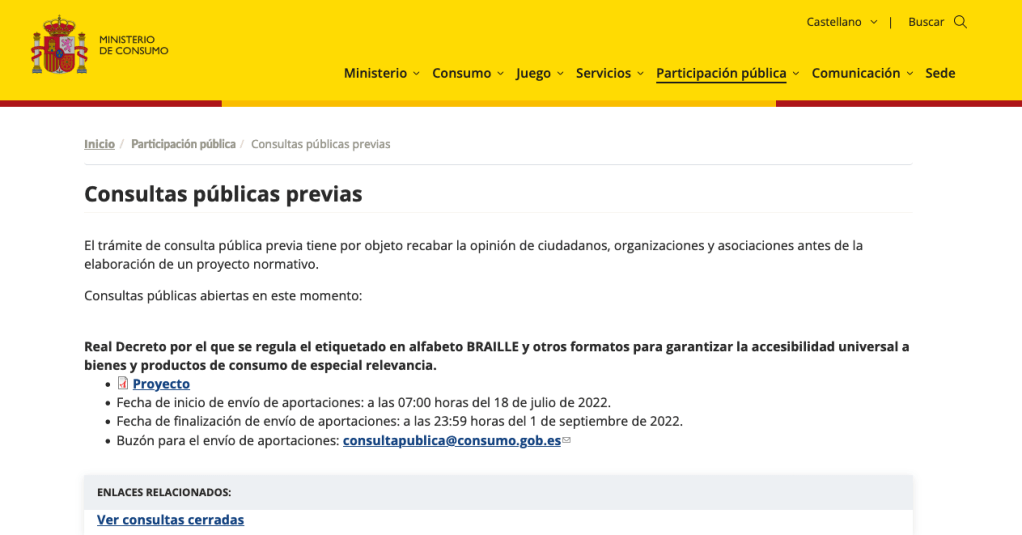
Spain: Draft Decree to regulate the labeling in the BRAILLE alphabet of consumer goods and products of special relevance

The Ministry of Consumer Affairs is currently working on the drafting of a regulation that will guide the labeling of essential products in Braille for the visually impaired.
The Consumer Affairs Department believes that this Braille labeling should provide “the minimum basic information (name, nature, expiration date or best before date, allergens)”, as well as dynamic and extensive information (name and address of the producing company, composition and purpose of the product, quality, net quantity or category, production date, nutritional information system, instructions for its correct use or consumption).
The Ministry of Consumer Affairs explains that it focuses on packaged general consumption products, in the case of foodstuffs: meat, fish, eggs, milk, coffee and canned food.

Spain: Inclusive labeling for the visually impaired developed

The Ministry of Consumer Affairs has created an inclusive labeling for visually impaired people, which will be possible thanks to the reform of the General Law for the Defense of Consumers and Users, as reported by the Ministry.
In principle, it will apply to packaged general consumption products, such as meat, fish, eggs, milk, coffee or canned food, and to potential or clearly dangerous products, such as hygiene products, fertilizers, pesticides, glues, lighters and matches or gas cylinders.