Haiti – New rules for exporting food to Haiti come into force this Tuesday

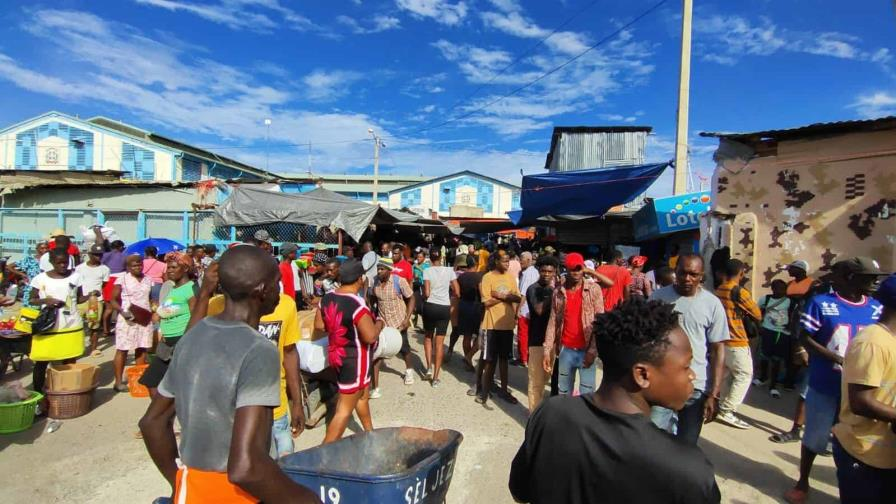
As of October 1, Haiti could reject the entry of perishable and pre-packaged foods from the Dominican Republic that lack sanitary registration or fail to comply with labeling regulations, which must be translated into French or Creole, according to a resolution of that country.

In view of this situation, both traders and businessmen in Dajabón have been speeding up the process to obtain a sanitary registration required for the sale of meat and agricultural products such as chicken, eggs and vegetables.

Mexico – Published the AGREEMENT establishing the general guidelines for the preparation, distribution and sale of prepared, processed and bulk foods and beverages, as well as the promotion of healthy lifestyles in nutrition, in all schools of the National Education System

Purpose, scope of application and definitions
First: The purpose of these Guidelines is to establish the provisions to which the preparation, distribution and sale of prepared, processed and bulk foods and beverages shall be subject, in accordance with the nutritional criteria set forth in its Single Annex, as well as the bases for the promotion of healthy lifestyles in nutrition, in all schools of the National Education System.

Second: These Guidelines and its Single Annex will be applicable to all schools of the National Education System, in which prepared, processed and bulk foods and beverages are prepared, distributed and sold.

Brazil – Foods banned by Anvisa in 2024; complete list of brands

The National Health Surveillance Agency (ANVISA in Portuguese) has a very important role when it comes to the safety of the products we consume. It constantly monitors what is sold in the markets to ensure that food is safe for our health. When Anvisa finds problems with a product, such as counterfeits or manufacturing irregularities, it can ban its sale. In 2024, some foods were removed from the shelves for not respecting quality and safety standards, according to an article published on the Globo Rural website.

Whole oat flakes, Sabores do Campo and Vitão Alimentos brands;
Extra virgin olive oil, Vincenzo brand;
Vegetable oil extracted from olives, Terrasa brand;
Vegetable oil extracted from olives, Villas Boas brand;
Vegetable oil extracted from olives, San Martin brand;
Vegetable oil extracted from olives, Miroliva brand;
Vegetable oil extracted from olives, Belo Porto brand;
Vegetable oil extracted from olives, Villas Portugal brand;
Vegetable oil extracted from olives, Casa do Azeite brand;
Vegetable oil extracted from olives, Castelo de Viana brand;
Vegetable oil extracted from olives, Vale do Madero brand;
Extra virgin olive oil 0.5% acidity, Cordilheira brand;
Extra virgin olive oil 0.5% acidity, Serrano brand;
Chocolate cookies 225 grams, Merba brand;
Triple chocolate cookies 180 grams, Merba brand;
Blueberry cookies 150 grams, Merba brand;
Nougatelli cookies 175 grams, Merba brand;
Paasasasurtido 175 grams, Merba brand;
Patisserie Double chocolate cookies 220 grams, Merba brand;
Patisserie Wholemeal chocolate cookies 180 grams, Merba brand;
Lemon and white chocolate patisserie cookies 200 grams, Merba brand;
Triple Chocolate triple chocolate cookies 200 grams, Merba brand;
Rainbow cookies 150 grams, Merba brand;
Soft muffin cookies, Merba brand;
triple chocolate cookies 180 grams, Merba brand;
Bretas ground cinnamon, from Gama Sucos e Alimentos;
Cinnamon powder, Kodilar brand;
Frozen ground beef
Frozen ground beef, Supremo Carnes brand;
Boneless salted beef
Boneless salted beef, Best Beef brand;
Frozen boneless beef, Cedro Alimentos brand;
Milk chocolate with nougat, honey and almonds, Toblerone brand;
Shredded coconut, Coco e Cia brand;
Turkish dehydrated apricot, from Sallu and Empório Santa Maria
Frozen chicken liver
Frozen chicken liver, Ave Nova brand; Frozen chicken liver, Ave Nova brand
Flor de sal, Mundialho brand;
Casaecce durum wheat semolina pasta, Barilla brand;
Barilla brand farfalle durum wheat semolina pasta;
Barilla brand fusilli durum wheat semolina whole wheat pasta;
Barilla brand penne durum wheat semolina whole wheat pasta;
Barilla brand whole wheat spaghetti with durum wheat semolina pasta; Barilla brand whole wheat spaghetti with durum wheat semolina pasta;
Whole wheat spaghettini with durum wheat semolina pasta, Barilla brand;
Barilla brand durum wheat semolina pasta; Barilla brand durum wheat semolina pasta whole wheat;
Normal butter with salt, Coopernova brand;
Refrigerated Mondongo rumen beef giblets, Best Beef brand;
Frozen beef kidneys, Best Beef brand;
Pancada® brand ground black pepper
Ground black pepper, Temperatta brand;
Pure ground black pepper;
Minas Standard cheese, Frimesa brand.
Brazil – The Regulation of the Ultra-Processed Food Industry in Brazil

The article analyzes the regulation of food environments in Brazil based on the premise that the guarantee of the right to food and nutrition depends on the capacity of the public power to play certain roles effectively. It also assumes that regulation is the result of public-private disputes, being influenced by lobbying or legal arguments that limit the State’s options. Based on cases involving advertising, nutritional labeling and the tax regime for sugary drinks, the paper seeks to analyze the roles that regulation has played in the field of food environments, especially in ultra-processed foods.

Brazil – Food insecurity and labeling of transgenic foods in Brazil: an overview of legislative advances and setbacks, from the perspective of the human right to adequate food

This work is a continuation of the research published in the Revista CEJ, of the Brazilian Federal Court, in 2018, and presented at the II International Congress of Public Law: justice and the enforcement of human rights, held at the University of Coimbra/Portugal, in 2017. The labeling of transgenic foods is addressed as a means of guaranteeing full access to the Human Right to Adequate Food, in order to guarantee the promotion of Food and Nutritional Security to consumers. The current research aims to update the previous work, taking into account the context of worsening food insecurity rates in Brazil, especially in the post-Covid-19 pandemic period, and also taking into account the new resolutions of Anvisa that deal with food labeling, as well as the unarchiving, in the Federal Senate, of the Bill addressed in the previous research, known as “PL to end transgenic labeling”, seeking a critical approach to its possible effects. The essay uses the deductive method to compose a bibliographical research, using legislation, doctrine, jurisprudence and data contained in public and private information banks as sources.