Brazil – ANVISA updates requirements for dietary supplements containing turmeric

The National Health Surveillance Agency (ANVISA in Portuguese) has updated Normative Instruction IN 28/2018 to include new limits and detail the changes in the labeling of dietary supplements that contain turmeric (also known as açafrão) in their composition.

The update was motivated by the identification—within the context of post-marketing surveillance—of a potential risk of liver damage associated with the use of supplements and medications containing turmeric (Curcuma longa) or curcuminoids. In March, Anvisa issued a pharmacovigilance alert to warn users of these products about the associated risks.

The three main points of the regulatory update:

  • Mandatory inclusion of the following warning on supplement labels: “This product should not be consumed by pregnant women, breastfeeding women, children, people with liver or biliary diseases, or gastric ulcers.” People with illnesses or who are taking medications should consult their doctor.
  • The limits for curcumin consumption should be calculated by adding its three main components (total curcuminoids).
  • Inclusion of tetrahydrocurcuminoids in the list of permitted ingredients, with restrictions on mixing this new component with the natural extract of the plant in the same product to avoid overloading the body with this substance.
Argentina – New bill to create a National Regime for Food Allergies and Safe Environments

The Argentine national deputy Pablo Juliano has presented a bill in the Congress of the Republic to create a National Regime for Food Allergies and Safe Environments, an initiative that seeks to transform the way consumers access information about what they eat.

The proposal aims to strengthen food safety, especially for people with allergies, and would be articulated with the current Law on the Promotion of Healthy Eating, known as the front-labeling law. The project proposes a comprehensive approach that encompasses everything from labeling in supermarkets to practices in restaurants, schools, and food services.

Costa Rica – Ministry of Health will verify the origin of imported foods according to the Free Sale Certificate (FSC)

The Ministry of Health has published CIRCULAR MS-DRPIRS-UVC-001-2026 on the consistency between the Free Sale Certificate (FSC) and the country of origin in food sanitary registrations.

It states that:

The sanitary records of food that have presented a CLV corresponding to the country of origin must ensure that the imports of the product are carried out.
effectively from that country. The Ministry of Health, in exercising its powers of surveillance, control, and inspection, may verify that there is correspondence between the issuing country of the CLV and the country from which the importation is carried out.

Honduras – A bill for Front-of-Package Labeling of food products is proposed in Congress

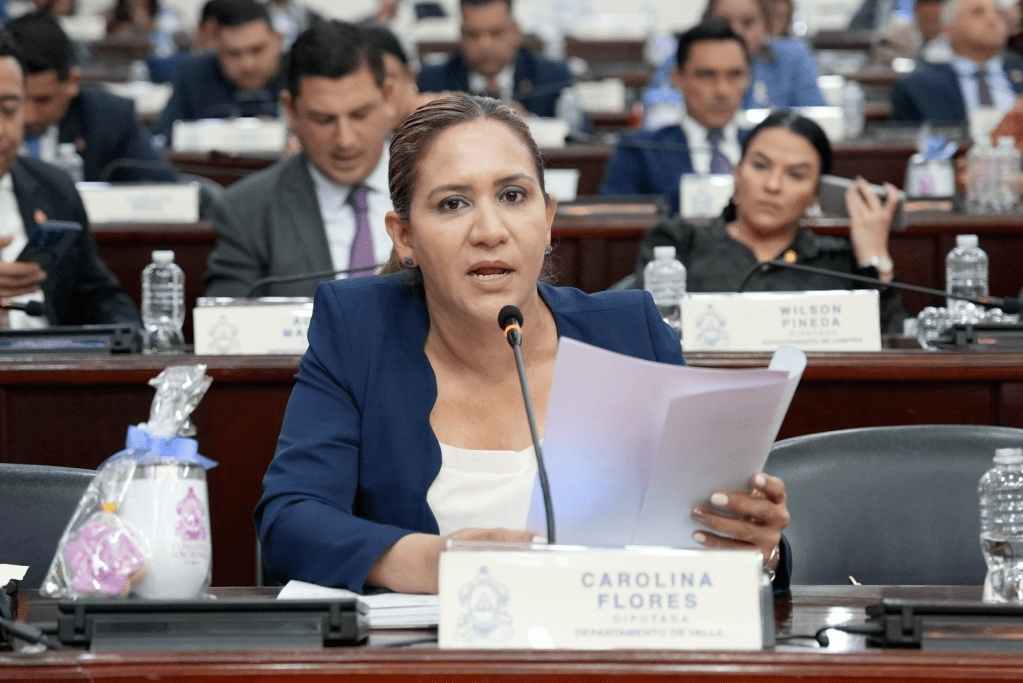
The nationalist congresswoman from the Valle department, Carolina Flores, presented the Front Labeling Law project with the aim of ensuring that the Honduran population knows for certain the nutritional information of food products.

Front labeling is a warning, based on scientific evidence, and shows the nutrient profiles established by the Pan American Health Organization, making it an effective measure to clearly, visibly, and understandably inform about the content of critical nutrients.

The objective of the law is to guaranty the right to health and adequate and responsible nutrition thru the promotion of healthy eating, providing simple and understandable nutritional information on packaged foods and beverages to promote assertive and active decision-making, and to safeguard consumer rights, states the project.

For more information, see the original source.

Peru – Ministry of Health publishes draft Resolution to modify the requirements for materials and containers intended to come into contact with food and beverages

The Ministry of Health, thru Ministerial Resolution No. 388-2026-MINSA, proposes a draft Supreme Decree that modifies Article 119 of the Regulation on Surveillance and Sanitary Control of Food and Beverages, approved by Supreme Decree. The modification focuses on establishing that materials and containers intended to come into contact with food and beverages for human consumption that are manufactured, imported, and marketed within the national territory must comply with the sanitary conditions and requirements set by the Ministry of Health. The materials and containers are as follows:

  • Plastic materials.
  • Recycled plastic materials.
  • Papers, cardboards, and cellulose materials.
  • Glass and ceramics.
  • Metals and alloys.
  • Varnishes, lacquers, enamels, adhesives, and coatings.
  • Combinations of the materials listed above, such as multilayers for flexible packaging, cardboard for beverages, among others
  • Materials of the adhesives and inks used in packaging to be in contact with food.
  • Other materials and packaging established by the Ministry of Health through a Ministerial Resolution.

The requirements for the issuance of enabling titles related to materials and containers intended to come into contact with food and beverages for human consumption are established by the Ministry of Health.