Brazil – Senate approves the minimum percentage of cocoa in chocolate

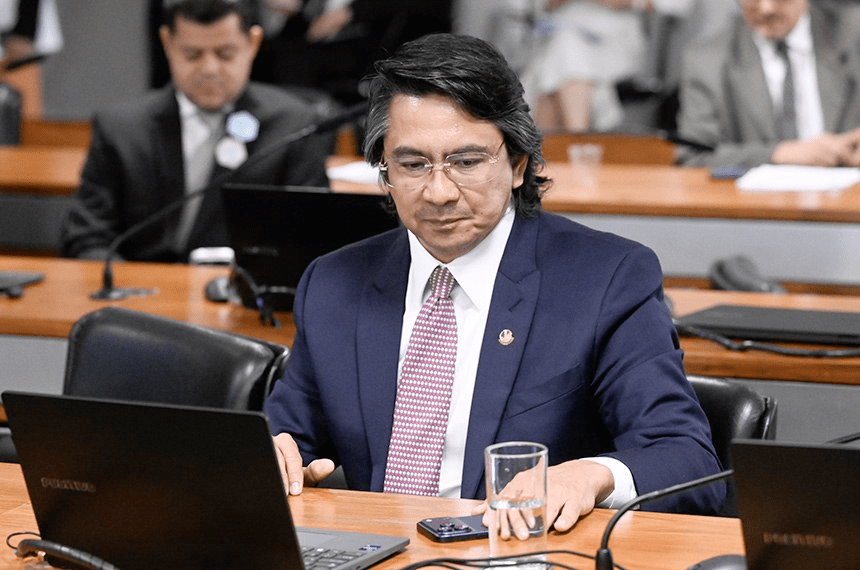
The federal Senate approved Bill (PL) 1769/2019, which establishes the criteria for the production of cocoa derivatives and clarifies the labeling standards for these products. Presented by Senator Zequinha Marinho (PSC-PA), the text establishes that labels, packaging, and advertising materials must inform the percentage of cocoa solids present in each product. This measure increases transparency and facilitates consumer choice.

One of the main points of the proposal is to facilitate the visualization of the cocoa percentage on the packaging. The text states that dark or semisweet chocolate can simply be called chocolate, as long as it contains at least 35% total cocoa solids.

Currently, the minimum required is 25%, according to the regulations of the National Health Surveillance Agency (Anvisa). The text establishes the minimum requirements for the different types of chocolate:

  • Milk chocolate must contain 25% cocoa solids and 14% total milk solids.
  • White chocolate must contain at least 20% cocoa butter.
  • Sweet chocolate must contain at least 25% cocoa.
  • The cocoa powder must contain at least 32% cocoa.

If the product does not meet the minimum percentages, the packaging must clearly indicate names such as chocolate drink mix, fantasy chocolate, or chocolate-flavored compound and coating. In these cases, the project prohibits the use of elements that may mislead the consumer about the nature of the product. Industries will have 360 days to adapt to the new regulations.
Brazil – Coordination of Behavioral Sciences publishes the report “Promotion of Healthy Eating: Behavioral Interventions at Points of Sale

The Coordination of Behavioral Sciences in Government (CINCO in Portuguese) has just published the report on the diagnostic phase of the project “Promotion of Healthy Eating: Behavioral Interventions at Points of Sale,” an initiative that brings together experts and partner institutions to address one of the country’s main public health challenges: the high consumption of ultra-processed foods to the detriment of fresh and minimally processed foods.

The project, developed in collaboration with the Ministry of Social Development and Assistance, Family and Fight Against Hunger (MDS), the National Cancer Institute (INCA), the United Nations Children’s Fund (UNICEF), Virginia Tech University, and the Fralin Biomedical Research Institute, aims to understand and influence eating behaviors based on scientific evidence from behavioral sciences, contributing to the prevention of obesity and chronic diseases, such as cancer.

Brazil – Committee analyzes rules for alcohol beverage advertising

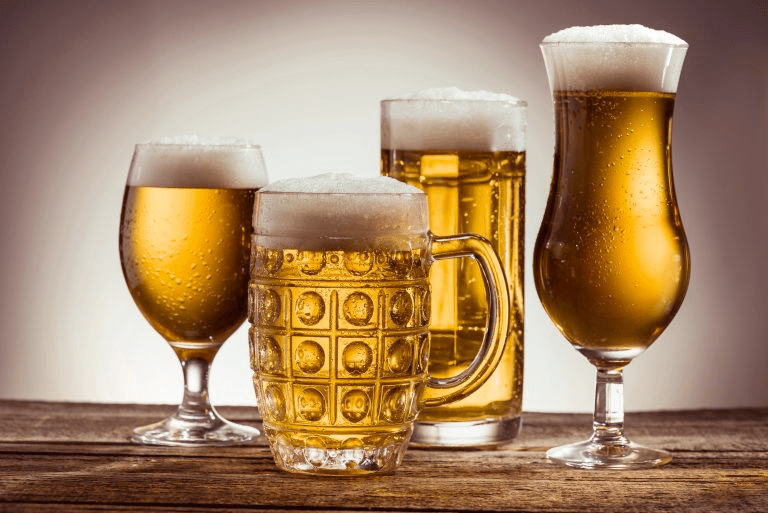
The Human Rights, Minorities, and Racial Equality Commission of the Chamber of Deputies will hold a public hearing on Law 9.294/96, which restricts the advertising of beverages with more than 13% alcohol, excluding most beer brands.

The hearing was proposed by Deputy Erika Kokay (PT-DF).

“The advertising of these products encourages consumption, promoting the trivialization of a substance that is demonstrably harmful, both to the individual and to society,” says Erika Kokay.

Brazil – Proposal to regulate food donation advances in the Senate

The bill (PL 801/2024) that regulates food donations has advanced in the Senate, addressing, among other aspects, the control over who receives the donations, how the transportation is carried out, and the responsibilities of each party. In summary, its objective is to encourage donations, reduce waste, and provide greater legal security for donations made by companies and other establishments.

The substitute bill included the transportation of donated food as an integral part of the donation process.

The proposal stipulates that transportation companies must be registered and comply with health regulations to allow for control and traceability.

Furthermore, the text establishes that donors and intermediaries will not be liable for damages, as long as they act in good faith and comply with legal requirements.

Brazil – ANVISA publishes the Partial Impact Analysis Report on Regulation for Medical Food Use 2026

The National Health Surveillance Agency (ANVISA in Portuguese) has published the Partial Impact Analysis Report on Regulation for Medical Food Use 2026.

Regulatory issue
The Brazilian regulatory framework applicable to special dietary foods creates barriers to the regulation and access to certain products indicated for the dietary management of specific metabolic, physiological, or pathological conditions.

Objectives
Reduce regulatory barriers for the supply of products indicated for the dietary management of metabolic, physiological, or pathological conditions that are suitable for their intended use and safe. To achieve this, the aim is to improve labeling and communication standards; increase regulatory flexibility for the incorporation of new formulations, presentations, and innovations; define requirements that differentiate these products from other special dietary foods and medications; optimize ANVISA’s performance in the analysis of these foods; and expand the dissemination of information about these products.