Brazil – The quality of dietary supplements is a subject of debate in the Chamber

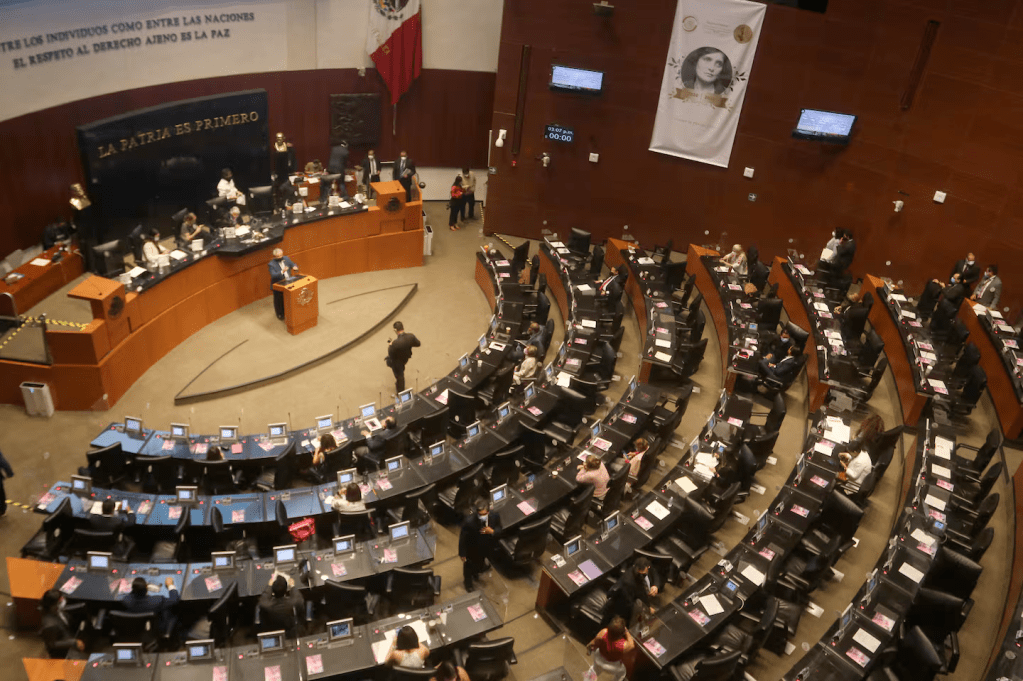
The Consumer Defense Commission of the Chamber of Deputies will discuss the quality and regulation of dietary supplements sold in Brazil. This discussion is in response to a request from Deputy Felipe Carreras (PSB-PE).

According to the congressman, the market for dietary supplements in Brazil has expanded in recent years, driven by the pursuit of health, wellness, and physical performance. He states that this increase in consumption has raised concerns regarding the quality and safety of these products.

Honduras – ARSA announces ban on the use of additive INS 127 (Erythrosine) in food and beverages

The Health Regulatory Agency (ARSA in Spanish) has issued a statement directed at national importers, distributors, and producers of food and beverages who are interested in the commercialization of processed, semi-processed, and pre-packaged foods, as follows: That through consensus from the Central American Commission of Food Additives (CCAA in Spanish) of SIECA, based on Resolution No. 496-2025 (COMIECO-CX), effective from July 15 of this year, the additive INS 127 erythrosine (red No. 3) is excluded from RTCA 67.04.54:18 PROCESSED FOODS AND BEVERAGES. FOOD ADDITIVES. This decision is based on technical and scientific evidence suggesting potential health risks at high concentrations, particularly regarding its possible effects on the hormonal system. Notwithstanding the above, holders of sanitary registrations whose products contain this additive must make the necessary adjustments in formulation and labeling, as well as the corresponding process for depleting existing label inventory. To this end, a period of twelve (12) months is granted, starting from July 15 of this year.

Brazil – Anvisa authorizes the depletion of food and beverage packaging prior to the inclusion of the new registration number required by the new regulations

Through the Collegiate Board Resolution (RDC) 843/2024, the National Health Surveillance Agency (ANVISA in Portuguese) modifies the Collegiate Board Resolution – RDC 843/2024, allowing for the depletion of food and beverage packaging that has already been produced before the new regulatory number is mandated by the new regulations.
The change, formalized by RDC 983/2025, published on July 28, 2025, responds to requests from the production sector and prevents material waste without compromising health safety. The depletion period will be up to 180 days following the approval of the registration or notification.

Mexico – Agreement published establishing simplification measures for procedures carried out before the Federal Commission for Protection against Health Risks

The Official Journal of the Federation has published the “Agreement establishing actions for the simplification of procedures conducted before the Federal Commission for the Protection against Sanitary Risks (COFEPRIS in Spanish).

The requirement to submit certain documents physically for sanitary import permits of various types has been eliminated; however, the essential information contained within them must be completed in either physical or online formats, as appropriate for their processing.

  • Various sanitary import permit procedures have been consolidated, and improvements for each have been specified.
  • The requirements for the merged procedures, along with their homoclaves, have been updated.
  • A reduction in resolution time has been implemented for some sanitary import permit procedures, as well as for modifications.

The agreement will take effect one hundred eighty business days following its publication in the Official Journal of the Federation. The physical formats will be made available on the official COFEPRIS website starting from the effective date of this Agreement.

Paraguay – DINAVISA approves Comprehensive Plan for Food Inspection, Surveillance, and Control and Food Control Matrix

The General Directorate of Surveillance (DINAVISA in Spanish) publishes the Comprehensive Plan for Inspection, Surveillance, and Control of Food, along with the Food Control Matrix, within the framework of the competencies of the National Directorate of Sanitary Surveillance.

Law No. 6788/2021, amended by Law No. 7361/2024, establishes the autonomy of the National Directorate of Sanitary Surveillance. Article 3 states that the National Directorate of Sanitary Surveillance (DINAVISA) will be the authority responsible for the sanitary regulation of health products such as medications and related items, as well as for food and related products. This includes the competencies for the regulation, control, and oversight of food and other substances associated with food, beverages, additives, and food supplements, dietary foods, raw materials intended for food use, packaging in contact with food, or similar items intended for human consumption. Furthermore, it encompasses the regulation, control, authorization, and oversight of establishments and activities conducted by individuals or legal entities involved in the stages of food handling, manufacturing, preparation, storage, packaging, quality control, distribution, sale, marketing, transportation, representation, importation, exportation, packaging, labeling, information, and advertising of food, as well as the technologies applied in the food industry, including authorization, inspection, sanitary registration, renewal of sanitary registration, dispatch, importation, and exportation, and any other concept related to its functions.