Mexico – The civil organization, the Power of the Consumer, has filed a legal protection action against the postponement of the third phase of food labeling

The organization the Power of the Consumer has reported that it has filed a legal protection action against the modification process of NOM-051, which alters the implementation of the third phase of front labeling for food products and postpones it until January 2028, citing various irregularities and deficiencies in the process.

In this regard, Javier Zúñiga, the Legal Coordinator at El Poder del Consumidor, stated: “The purpose of the legal protection action is to allow us to discuss essential aspects of labeling within the NOM-051 process, such as the size of warning labels and the placement of the octagons. It is important to note that there were several irregularities during the process, and if these are not rectified, we would be facing violations of consumer rights, including the right to health and information.”

Brasil – The Federal Government implements measures for public food purchases impacted by U.S. tariffs

The Ministry of Agriculture and Livestock (MAPA in Portuguese) and the Ministry of Agrarian Development and Family Agriculture (MDA in Portuguese) announced the Interministerial Ordinance No. 12/2025, which establishes exceptional and emergency procedures related to public procurement of food products. This measure exclusively benefits Brazilian producers and exporters affected by the imposition of additional tariffs on imports by the United States.

The Minister of Agriculture and Livestock, Carlos Fávaro, stated that this initiative provides an alternative for distributing the national production impacted by the trade barriers imposed by the United States, thereby ensuring the income of rural producers and exporting companies. “The ordinance sets forth the regulations for the acquisition of agricultural products and those from family agriculture affected by the taxes imposed by the U.S. government. Several products can now be marketed with the Federal Government, states, and municipalities, thereby reducing the impact of the tariff increase. We are also monitoring whether it is necessary to add other products to this list. The government under President Lula is vigilant, ensuring employment and economic growth, while seeking new markets for Brazilian products,” he stated.

Panama – Industry representatives request greater clarity in the labeling of substitute products

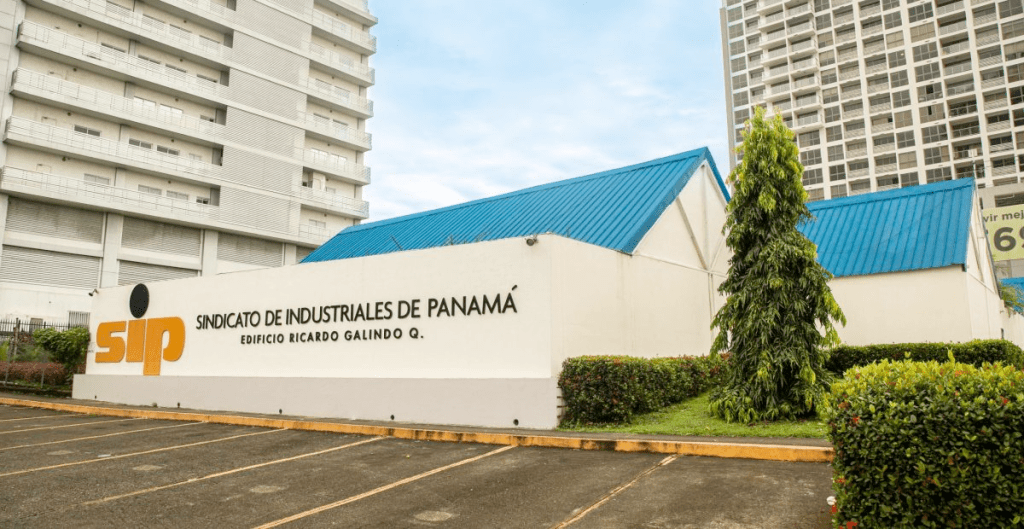
Amid the growing debate regarding the use and commercialization of products in Panama, the Panamanian Industrial Union (SIP in Spanish) has called for the strengthening of regulations and transparency in food labeling, aiming to safeguard the consumer’s right to be accurately informed.

The issue, which gained prominence recently due to the conflict between milk producers and processing plants, has highlighted the necessity to clearly differentiate between original products and substitutes, which imitate or replace others without being identical in composition.

Lorena Henríquez, a representative of the SIP, explained that the discussion extends beyond the dairy sector. “This is a timely issue that erupted due to milk, but it is applicable to other sectors. Consumers often do not understand what a substitute or imitation is. Greater clarity in regulations and labeling is needed,” she stated.

Source of information: En Segundos

Brazil – ANVISA warns about the low quality of dietary supplements in the national market

Representatives of the National Health Surveillance Agency (ANVISA in Portuguese) have warned about the poor quality of dietary supplements available in the national market. According to them, this sector leads the list of complaints regarding health violations and has a high number of disapproved products.

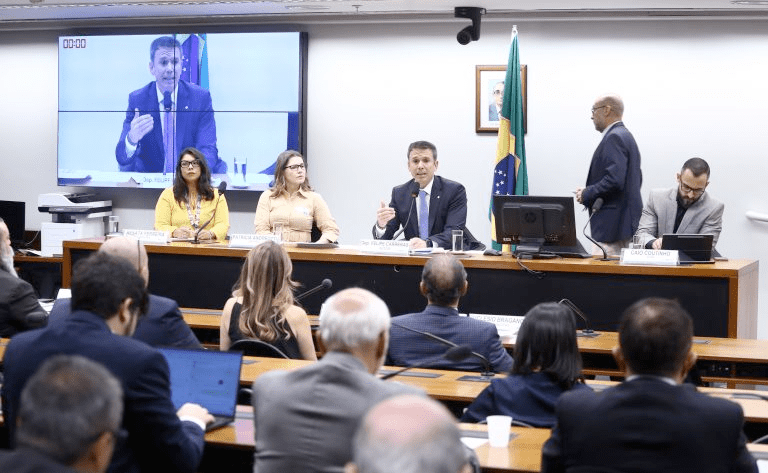
Representatives from both the agency and the supplement industry were interviewed by the Consumer Protection Commission of the Chamber of Deputies. For the companies, the solution lies in self-regulation and adherence to established legal standards.

The supplement sector receives the highest number of complaints regarding health violations, as stated by Renata de Araújo Ferreira, the inspection coordinator at ANVISA. Between 2020 and 2025, 63% of the investigations initiated by the agency involved these products. She emphasized that more than half of the complaints are related to misleading advertising of supplements sold on digital platforms, which complicates monitoring and oversight.

Renata Ferreira reported that ANVISA intends to employ artificial intelligence (AI) tools to expedite the identification of irregular products online. She confirmed that this technology has already been utilized, resulting in the removal of over 230,000 advertisements, approximately 60,000 of which were related to dietary supplements.

Chile – Government and productive sector align to modernize sensitive food regulations

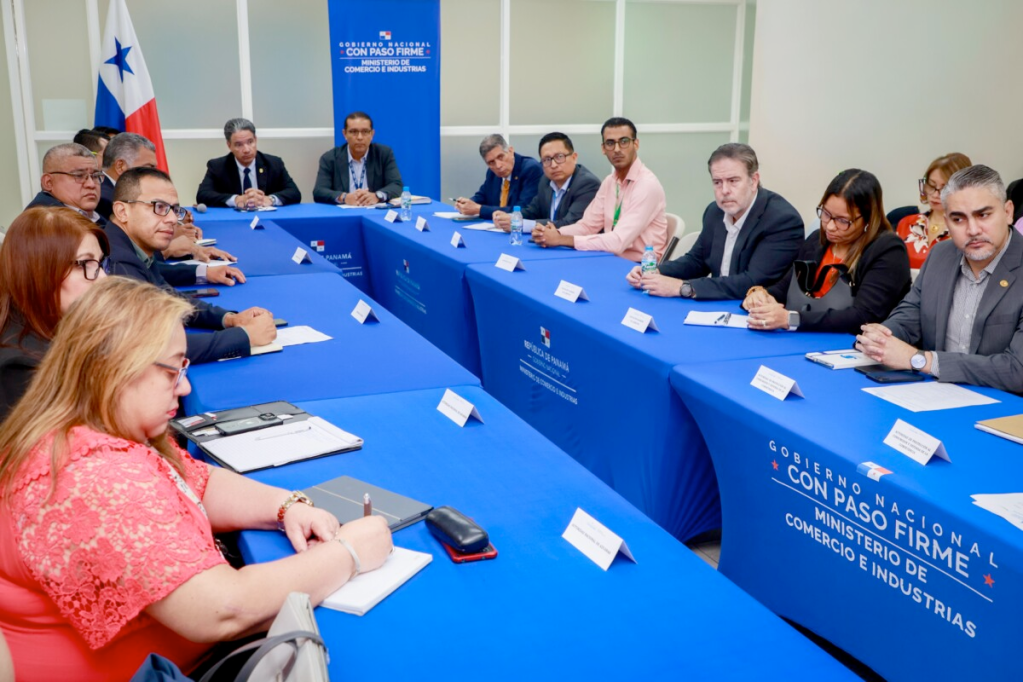
Government and productive sector align to modernize sensitive food regulations. The Ministry of Commerce and Industries (MICI in Spanish) held a strategic meeting to update the National Technical Food Regulations related to food products, reaching a consensus on the need to coordinate efforts and modernize the regulations. These actions aim to strengthen the country’s food security and ensure a more coherent, updated, and representative regulatory framework for the sector’s needs.
The Deputy Minister of Industry and Commerce, Eduardo Arango, highlighted the importance of the inter-institutional forum as a key space for building a solid governmental roadmap aligned with the policies of the National Assembly, the Central Government, and the requirements of the productive sector. He emphasized that the consensus reached reflects the State’s commitment to coordinating efforts, which will be essential for maintaining effective dialog with the industry, producers, and consumers in the next stage.

The first meeting was attended by representatives from the Ministry of Health (MINSA in Spanish), the Ministry of Agricultural Development (MIDA in Spanish), the Consumer Protection and Competition Defense Authority (ACODECO in Spanish), the Panamanian Food Agency (APA in Spanish), the National Customs Authority (ANA in Spanish), and members of the National Assembly linked to the agri-food sector.

During the meeting, it was agreed to establish an inter-institutional roadmap to review technical regulations in strategic sectors such as dairy products, meat (beef and pork), poultry, and grains like rice.