The National Health Surveillance Agency (ANVISA in Portuguese) has published Resolution No. 370 /2025, which amends Normative Instruction – IN No 211, of March 1, 2023, which establishes the technological functions, maximum limits and conditions of use of food additives and technological adjuvants authorized for use in food, specifically in Fresh, dried, cooked industrialized processed meat products; Canned meat and mixed products and Carbonated and non-alcoholic beverages.
Day: 19/06/2025
Brazil – DICOL holds public meeting to discuss regulations for infant formula and food additives and processing aids
The directors of the National Health Surveillance Agency (ANVISA in Portuguese) participated in the 8th Public Meeting of the Board of Directors (DICOL in Portuguese) of 2025, chaired by the acting director general, Rômison Mota.
Infant formulas under discussion
The day’s deliberations included proposals for a Resolution of the Board of Directors (DRC) and Normative Instruction (NI) to establish health requirements for infant formulas, nutritional formulas for high-risk newborns, transitional foods and cereal-based foods for infants and young children, formulas for enteral nutrition and dietary therapy formulas for inborn errors of metabolism; and a NI to amend IN 281/2024, which establishes the form of regularization of the different categories of foods and packaging.
In an oral statement, the representative of the Brazilian Association of the Food Industry for Special and Congenital Purposes (Abiad), Gislene Cardozo, highlighted the high impact of the measure for the sector. However, Rômison Mota reported that the steps of good regulatory practices were followed, which were improved by the organizational unit responsible for the process through sectoral dialogue.
Authorized food additives and technological adjuvants
Also on the agenda was the proposal for an International Standard (IS) to amend IS 211/2023, which establishes the technological functions, maximum limits and conditions of use of food additives and technological adjuvants authorized for use in food. In an oral statement, Gislene Cardozo emphasized that, due to the high technical complexity of the subject, a thorough analysis of thousands of ingredients is necessary, and defended the need for a longer deadline for the sector to provide a qualified and coordinated response, requesting an extension of Public Consultations (PC) 1.324 and 1.325 of 2025 for 90 more days.
Brazil – ANVISA publishes amendments to the regulations are technological functions, maximum limits and conditions of use of food additives and technological adjuvants authorized for use in foodstuffs
The National Health Surveillance Agency (ANVISA in Portuguese) has published Regulatory Instruction No. 369/2025, which amends Regulatory Instruction No. 211 of March 1, 2023, establishing the technological functions, maximum limits and conditions of use of food additives and technological adjuvants authorized for use in food.
Brazil – ANVISA extends for 45 days the public consultations on draft regulations for new food ingredient specifications
The National Health Surveillance Agency (ANVISA in Portuguese) has extended by 45 more days the deadline for submitting contributions to Public Consultation No. 1.324/2025, on the proposed Normative Instruction establishing the specifications of identity, purity and composition of food ingredients authorized for use in food, and to Public Consultation No. 1,325/2025, which addresses the proposed Resolution of the Board of Directors amending RDC No. 243/2018, RDC 839/2023 and Normative Instruction No. 28/2018.
It should be recalled that DRC No. 243/2018 establishes the sanitary requirements for food supplements and that DRC No. 839/2023 addresses the verification of the safety and authorization of use of novel foods and ingredients. Regulatory Instruction No. 28/2018 establishes the lists of components, limits of use, declarations and supplementary labeling for food supplements.
The proposals continue with measures to modernize the regulatory framework, flows and procedures for novel foods and novel ingredients.
Brasil – Federal Regional Court confirms Anvisa’s competence to regulate the advertising of foods with high sugar, salt and fat content
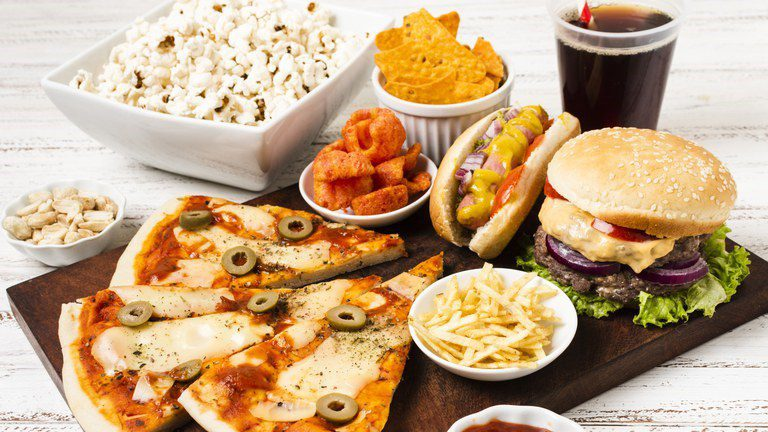
The Federal Attorney General’s Office (AGU in Portuguese) obtained another favorable court ruling confirming the validity of the resolution of the National Health Surveillance Agency (ANVISA) (RDC N 24/2010) on the advertising of foods considered harmful to health. These include foods high in sugar, saturated fats, trans fats and sodium, as well as beverages with low nutritional value. The decision of the 11th Chamber of the Federal Regional Court of the 1st Region (TRF1) rejected a lawsuit filed by a commercial entity against the Anvisa rule and upheld the validity of the ruling. In 2023, the 6th Chamber of the TRF1 also rejected a similar claim, preserving the regulatory agency’s powers.
Anvisa’s resolution determines that the advertising of these foods must clearly identify the high content of these nutrients in the advertising pieces, in addition to containing a warning that consuming them in large quantities increases the risk of health damage, such as the development of obesity, diabetes and heart disease.
The validity of the regulation was challenged by the Brazilian Association of Soft Drinks and Non-Alcoholic Beverages Industries (ABIR in Portuguese) as unconstitutional and illegal due to its violation of the principles of freedom of communication and legal reserve. The association claimed that Anvisa had infringed the jurisdiction limited to federal law by imposing health warning clauses in the advertising of certain foods, without due scientific proof of their harmful effects.Chamber of the Federal Regional Court confirms Anvisa’s competence to regulate the advertising of foods high in sugar, salt and fat.
 infoAlimentario