Chile – Supreme Court upholds appeal for protection of dietary supplement company

The Supreme Court revoked the sentence issued by the Court of Valparaíso, which rejected the appeal for protection filed by a company dedicated to the commercialization of nutritional and sports food supplements, due to the publications made by the appellant in social networks that would damage its honor and the trust of consumers.
The appellant denounced the violation of her fundamental guarantees, due to publications made in social networks by the appellee that, according to her, seek to denigrate her image, question the safety of the products she sells, attribute fraud or deception to her, and incite the public to amplify the “funa”.
It requested as a precautionary measure the removal of all content published to its discredit on social networks or websites and that the appellee be ordered to refrain from carrying out similar acts in the future.

In his report, the appellant stated that, as a nutritionist, he began to create and disseminate content on the social network TikTok on “fitness” nutrition and review of products according to their nutritional labeling. He indicated that he was informed about the use, abuse and adulteration of supplements, as well as the associated risks due to poor oversight. He explained that part of its content is aimed at preventing the use of supplements of dubious origin, with the purpose of protecting public health. In this context, he arranged for a laboratory analysis of a protein advertised in a product of the appellant, the results of which, he claimed, revealed serious inconsistencies that he disclosed in his social networks. He denied having accused the appellant of committing crimes.

The Court of Valparaíso rejected the precautionary action, considering that the challenged publications and comments are not offensive or injurious to the constitutional guarantees invoked, but constitute a criticism and analysis made by the appellant in his capacity as a nutritionist, protected by the right to freedom to express opinions and to inform. Also, that the recourse for protection is not the way to limit this freedom through censorship, direct or indirect, and that the appellant may exercise other legal actions if the publications constitute crimes or abuses.
Argentina – ANMAT updates tariff rates for food-related procedures

The National Administration of Medicines, Food and Medical Technology (ANMAT in Spanish) has published Provision 11420/2024, which updates the amounts of the fees for processing fees for food products, dietary supplements, food for specific medical purposes, establishments, packaging, import/export, laboratory analysis, authentications and federal network of laboratories.
Provision 11420/2024 repeals Annexes IF-2023-149290422-APN-DGA#ANMAT of Provision DI-2024-25-APN-ANMAT#MS, IF-2024-35245261-APN-DGA#ANMAT of Provision DI-2024-4708-APN-ANMAT#MS and IF-2024-32157665-APN-DGA#ANMAT of Provision DI-2024-3156-APN-ANMAT#MS.

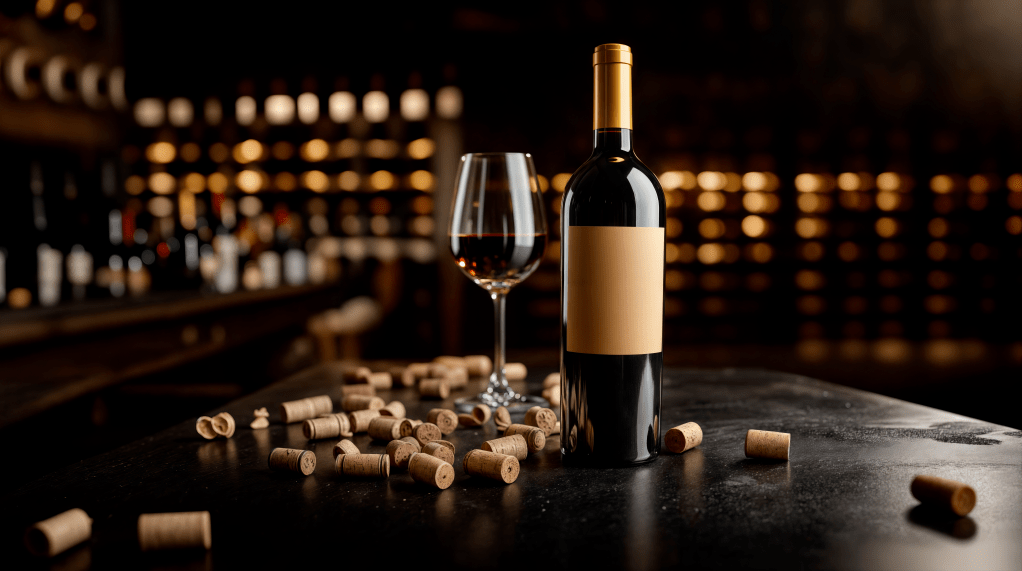
Colombia – Ministry of Health and Social Protection issues circular on the labeling of wines, aromatized wines, sparkling wines and champagnes from the European Union

Through a Circular issued by the Ministry of Health and Social Protection, importers of wines, aromatized wines, sparkling wines and champagnes from the European Union were informed of new guidelines related to the labeling of these products in the country.

The Circular is in response to European Union Regulation 2021/2117, in force since December 8, 2023, which establishes the obligation to include the list of ingredients and nutritional values on the back label of wine products. However, the health regulations in force in Colombia, regulated by Decree 1686 of 2012, “which establishes the technical regulations on the health requirements to be met for the manufacture, processing, hydration, packaging, storage, distribution, transport, marketing, sale, sale, export and import of alcoholic beverages intended for human consumption” does not include these provisions for alcoholic beverages.

The Ministry emphasized that, in Colombia, nutritional labeling is defined exclusively for food intended for human consumption, as stipulated in Resolutions 810 of 2021 and 2492 of 2022, and does not apply to alcoholic beverages. Therefore, products that include nutritional information on their source labels must make the necessary conditioning to cover such data before marketing.

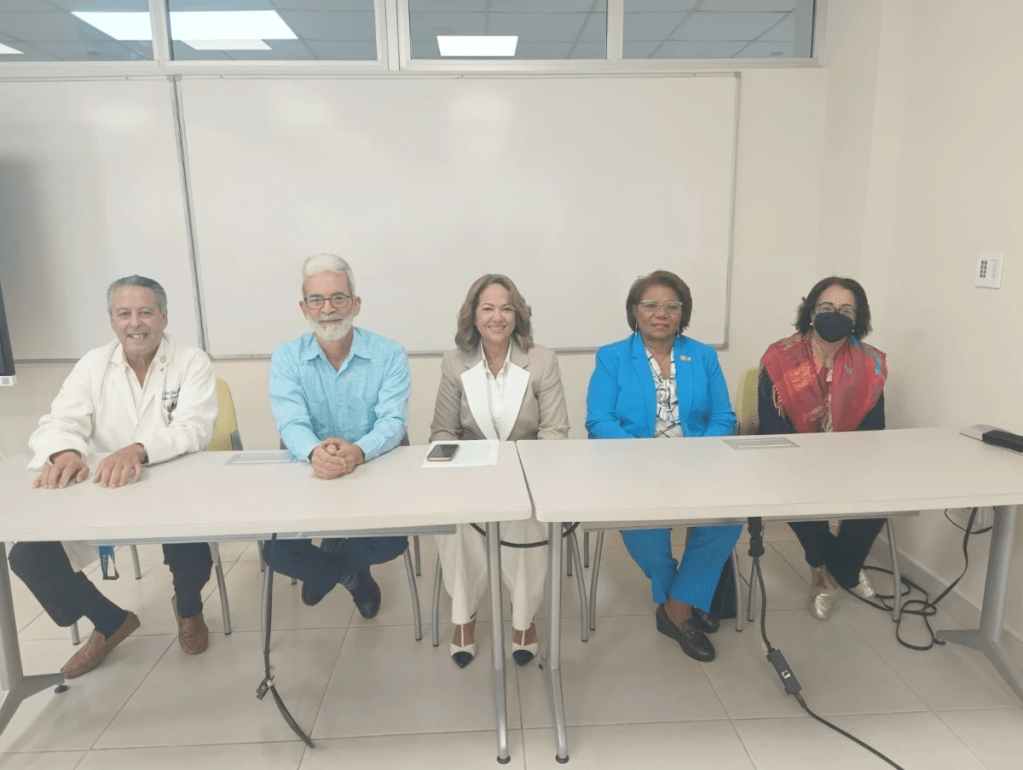
Dominican Republic – Dominican Healthy Organization presented observations on the resolution on Front Labeling of Foods

The coalition Dominicana Saludable presented details of the process and content of the draft resolution on Front-End Nutritional Warning Labeling (EFAN in Spanish) that is being managed by the Ministry of Public Health.
The entity informed that the EFAN resolution project has been in process for more than two years and that so far we do not have a final document, much less an official regulation.
It is worth noting that this is the closest we have been to the EFAN Resolution, since last Monday the 13th was the deadline for the public hearing to propose the changes that the public considered important.
We hope that the official document will be released as soon as possible, although we know that strong interests linked to the food industry are pressuring so that this resolution does not come out and if it does come out that it does not comply with the standards established by the Pan American Health Organization and other entities in the Region that have made their recommendations to the Ministry of Health.

Brazil – ANVISA publishes the 9th edition of the Q&A guide on dietary supplements

The National Health Surveillance Agency (ANVISA in Portuguese) has published the update (9th edition) of the guide of questions and answers on dietary supplements.
The document contains updates resulting from the publication or revision of food regulations, with emphasis on RDC 843/2024 and IN 281/2024, dealing with food regularization, and RDC 839/2023, on the safety assessment of novel foods and ingredients. To provide greater clarity, some questions have been revised and grouped and grammatical adjustments have been made, ensuring a simpler and more accessible language for readers. The questions were also renumbered, with the aim of improving organization and facilitating consultation by topic.