Brazil – Experts call for higher taxes on ultra-processed foods

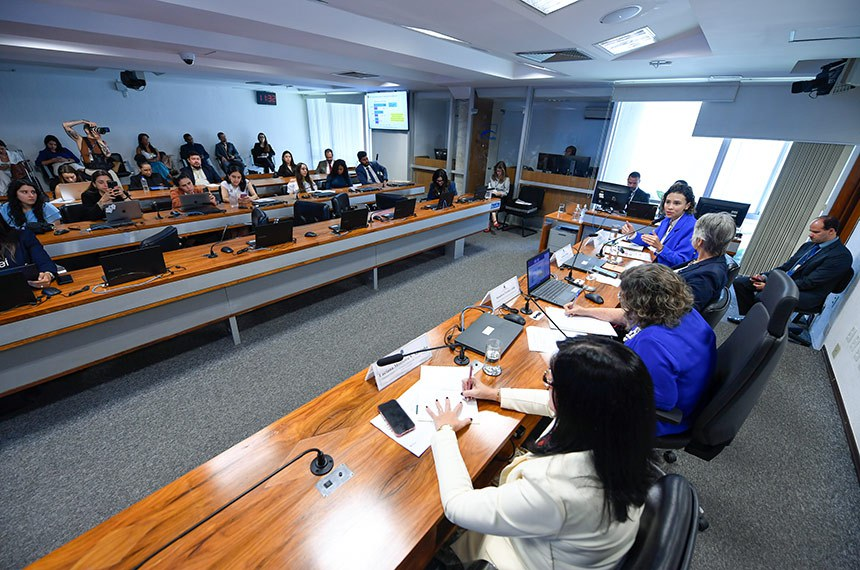
Meeting in a public hearing at the Social Affairs Commission (CAS), experts in the areas of health and nutrition were unanimous in affirming that the regulations of the tax reform, which is being processed in the Senate, must consider the harmful effects caused in the population by the consumption of tobacco, alcoholic beverages and ultra-processed foods. The Complementary Bill (PLP) 68/2024 regulates the Selective Tax (IS), provided for by Constitutional Amendment 132 of the tax reform, which taxes products that are harmful to health and the environment.
Bruna Pitasi, from the department of promotion of adequate and healthy food of the coordinator of support to the actions of promotion of healthy food of the Ministry of Development and Social Assistance, Family and Fight against Hunger, emphasizes the importance of promoting healthy and adequate food. She said that it is necessary to promote the consumption of a variety of foods capable of guaranteeing health and well-being.

The new basic food basket will be composed of fresh or minimally processed foods. What we notice today is an increase in the prevalence of obesity in Brazil, a condition directly related to the growth in the consumption of ultra-processed foods, which have an unbalanced nutritional composition. They tend to negatively affect culture, social life and the environment, in addition to encouraging excessive consumption of calories, with effects associated with heart disease, diabetes and cancer. It is necessary to increase taxes on these products as a way to discourage consumption – he argued.

Argentina – National Food Commission holds 156th ordinary meeting

The 156th Meeting of the National Food Commission (CONAL in Spanish) was held at the headquarters of the National Ministry of Health in the City of Buenos Aires, with the participation of national authorities and jurisdictional referents from all over the country, both in person and virtually.
During the meeting, the Commission agreed to send 6 dossiers to be processed for the signing of the Joint Resolution, such as the modification of articles 235 and 1381 to incorporate health claims (HPS) in labeling, the incorporation of additives in fruits and the inclusion of dehydrated grape pomace and dehydrated apple pomace.

Five projects were referred to the Public Consultation instance, including the modification of the articles referred to outlets for meat food and the incorporation of chia mucilage, monk fruit extract, olive leaves and sake.

Finally, the committee introduced new topics to be addressed, such as the incorporation of pink pepper, pecan nut by-products, and the characterization of virgin coconut and virgin palm oils.

It was also agreed to include the proposed incorporation of regional botanicals for alcoholic beverages, canned caper leaves and the request to update articles 760 and 551, referring to labeling, among other topics.

Hondura – Controversy over ‘Front End Labeling’ bill

Controversy has generated the discussion in the first and second debate in the National Congress of the Front Labeling Law, an initiative that seeks to label food and beverage products with black seals on the front of the packaging based on a criterion of the Pan American Health Organization (PAHO).

The first to oppose the referred regulation, which is promoted by the deputy of Libertad y Refundación (LIBRE in Spanish), Kritza Pérez, was the Consejo Hondureño de la Empresa Privada (Cohep in Spanish).

The private enterprise requested the National Congress last week to file the initiative of the Front Labeling Law, because it contradicts the Central American Technical Regulations approved by Honduras within the framework of the Central American Integration System (SICA in Spanish).

ANVISA announces Webinar to guide companies on notification of food products

The National Health Surveillance Agency (ANVISA in Portuguese) will hold, next Monday (9/12), a webinar to guide food companies on how to correctly notify products. Notification to the Agency is required for some food categories that are exempt from registration.

The objective of the webinar is to guide participants on best practices to avoid inconsistencies and ensure regulatory compliance, promoting greater efficiency in the notification and approval processes.

To this end, Anvisa will present the results of the analysis of the notifications received, highlighting the main reasons that led to the cancellation of the notification and the request for rectification.

Argentina – The Secretariat of Agriculture extended until December 31, 2027 the deadline for the use of the “Alimentos Argentinos” seal of quality

The Secretariat of Agriculture, through Resolution 112/2024, extended until December 31, 2027 the deadline for the assignees of the Quality Seal “Alimentos Argentinos, una elección natural”  (in Spanish) to adapt the packaging of their products to the maximum limit of 20 kilograms. The seal, created by Law No. 26,967 and recognized as a strategic tool to promote the quality and competitiveness of Argentine food, requires that certified products comply with certain specifications in their labeling and presentation.