The National Agency for Regulation, Control and Sanitary Surveillance (ARCSA in Spanish) has published a report on Regulatory Impact Analysis on the health risk generated by the consumption of processed foods that do not meet their quality and safety specifications.
The purpose of the report is to establish new guidelines for food processing plants to guarantee to the general population the supply and consumption of processed foods that meet their quality and safety specifications, through the presentation of laboratory analyses, stability studies and technical specifications, minimizing the probability of contracting foodborne diseases (FBDs) that compromise public health.
Month: November 2024
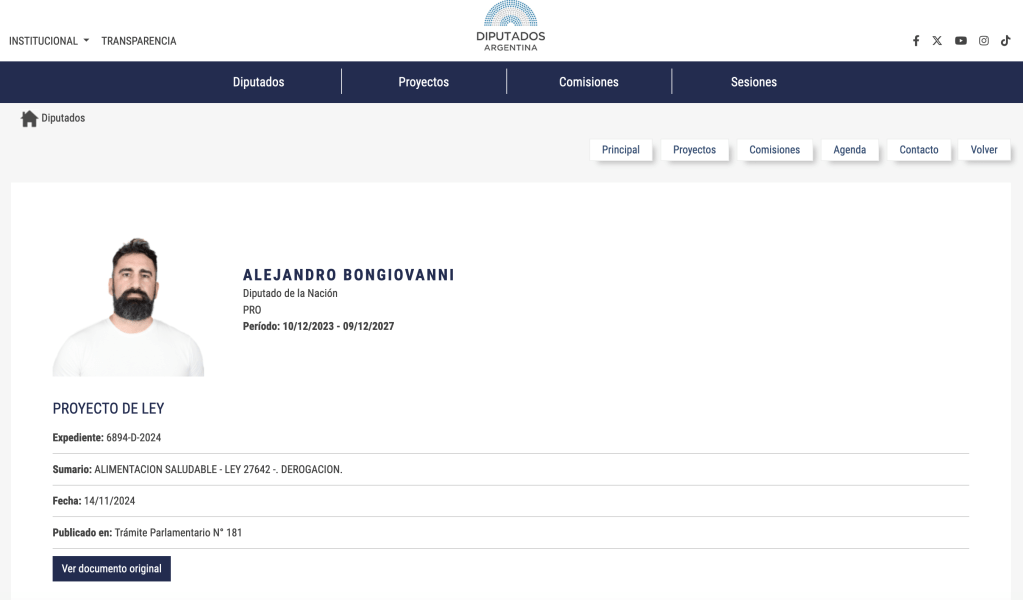
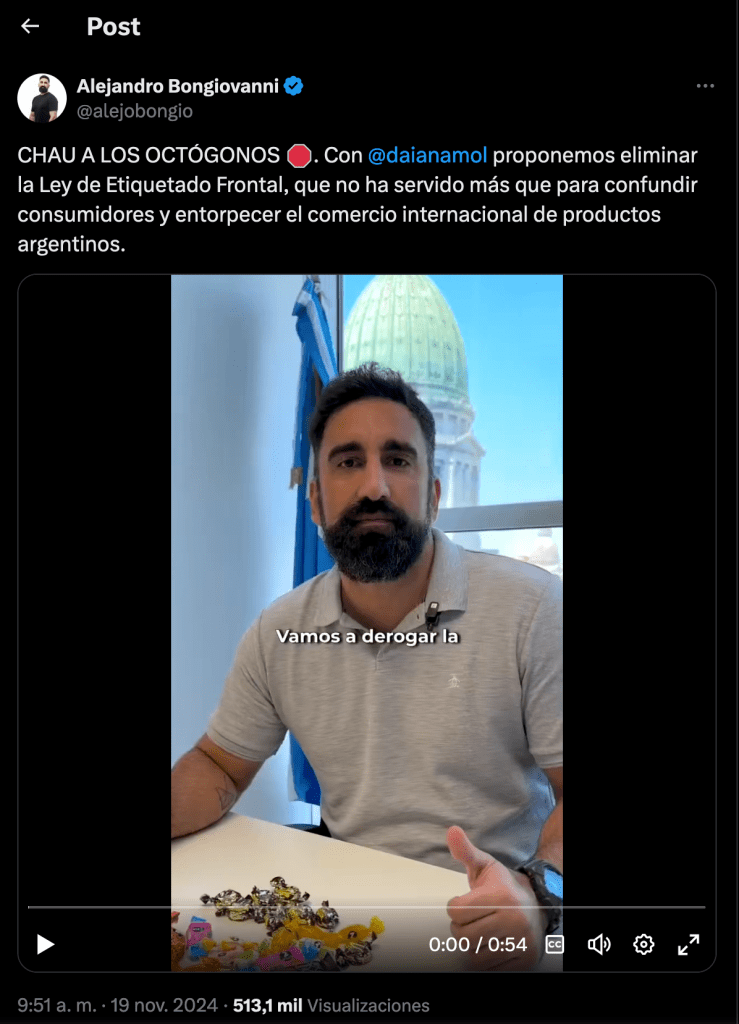
Argentina – Congressmen propose bill to repeal the Front End Labeling Law
Alejandro Bongiovanni and Daiana Fernández Molero, members of the Republican Proposal party (PRO in Spanish), are promoting a bill in Congress to repeal the Law for the Promotion of Healthy Food – Front Labeling Regime Law No. 27.642. For the deputies, the legislation passed in December 2021, “has served only to confuse consumers and hinder the international trade of Argentine products.
The project consists of three articles and aims at “restoring the freedom of food producers and consumers, through the repeal of the Front Labeling Regime Law No. 27,642, whose objectives are met more effectively with the regulations already in force in the Food Code in relation to labeling, marketing and information”.
Peru – INACAL updates 13 technical standards on meat products, fruits and corn
The Ministry of Production through the National Institute of Quality (INACAL in Spanish) approved a total of thirteen (13) new Peruvian Technical Standards (NTP), most of them related to the food industry in order to guarantee food safety.
These technical standards, which were approved through Directorial Resolution N° 025-2024-INACAL/DN, seek to develop the services of the Quality Infrastructure and promote their use in the different economic sectors of the country.
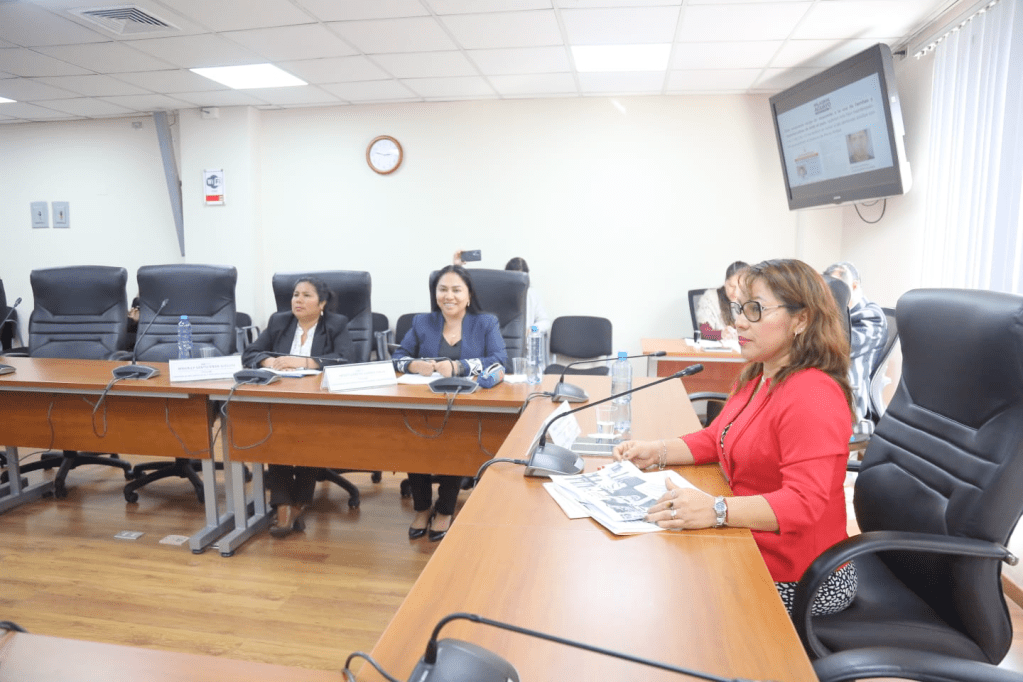
Peru – Opinion approved that eliminates or reduces sugar consumption in the Glass of Milk Program
The amounts transferred by the Ministry of Economy and Finance (MEF) for the Glass of Milk Program will finance only the value of the food ration, without covering the value of sugar. In no case, the amount of sugar can exceed 15 grams per ration, in order to protect the health and quality of their food and fight against diseases such as obesity, cavities and diabetes.
This is established by the opinion approved, unanimously (10 votes), by the Commission for Social Inclusion and People with Disabilities, chaired by Congresswoman Francis Paredes Castro (PP).
This is the opinion issued on Bill No. 8355, authored by Congresswoman Hilda Portero López (AP), which proposes the modification of Law 27470, which establishes complementary norms to improve the management of the Glass of Milk Program and excludes sugar to raise the nutritional status of its beneficiaries.
Paredes Castro indicated that the National Institute of Health (INS) warned that, “evidence indicates that excessive consumption of added sugar is frequently associated with a lower quality of the diet and has an important pathophysiological role and predisposes to critical cardiometabolic effects such as weight gain, diabetes and cardiovascular diseases.”
Peru – Ministry of Health announces reorganization of the General Directorate of Environmental Health to improve efficiency
Through Ministerial Resolution No. 809-2024/MINSA, the Ministry of Health declares the General Directorate of Environmental Health and Food Safety (DIGESA in Spanish) in administrative reorganization, as announced by the Minister of Health, Cesar Vasquez last Friday, ratifying his commitment to fight corruption and ensure food safety for the population.
The purpose of the Resolution is to declare DIGESA under administrative reorganization, in order to carry out a comprehensive evaluation of its processes and resources to ensure an effective and efficient operation and thus improve the quality of the services it provides to the public.
 infoAlimentario