Warning labels have been implemented in different countries around the globe, including Brazil, to encourage healthier food choices. The aims of the present study were to evaluate the relative effect of different warning labels, brands and nutrition marketing claims on the food choice after the implementation of the Brazilian front-of package nutrition labelling regulation. Packages of four categories were designed considering the following factors: brand (familiar vs. unfamiliar), nutritional warning (present or absent), textual nutrition marketing claims (present or absent) and visual nutritional marketing claims (present or absent). A total of 850 Brazilian adults were recruited by a marketing agency. Participants were randomly allocated to one of two experimental conditions: black magnifier (n = 403) and black octagon (n = 447). They completed a choice task involving two out of four product categories: chocolate flavored milk, cookies, granola, and iced tea. The packaging was designed considering four factors: The presence of warning labels encouraged product choice in three of the four categories. However, brand and textual nutrition marketing claims had a larger effect. These results suggest the need to introduce comprehensive packaging regulations to reduce the prevalence of nutrition marketing claims on unhealthy products, as well as communication campaigns to raise awareness of the benefits of taking into account warning labels when making food purchases.
Day: 14/11/2024
Peru – Approval of a ruling to regulate the use of fruit images in advertisements
In order to regulate the use of images of fruits in advertising and labeling, the Commission for Consumer Defense and Regulatory Bodies of Public Services unanimously (12 votes) approved the opinion that modifies Law 30021, Law for the Promotion of Healthy Eating for Children and Adolescents.
The legal proposal is based on Bills 8455/2023-CR, 8543/2024-CR and 8633/2024-CR.
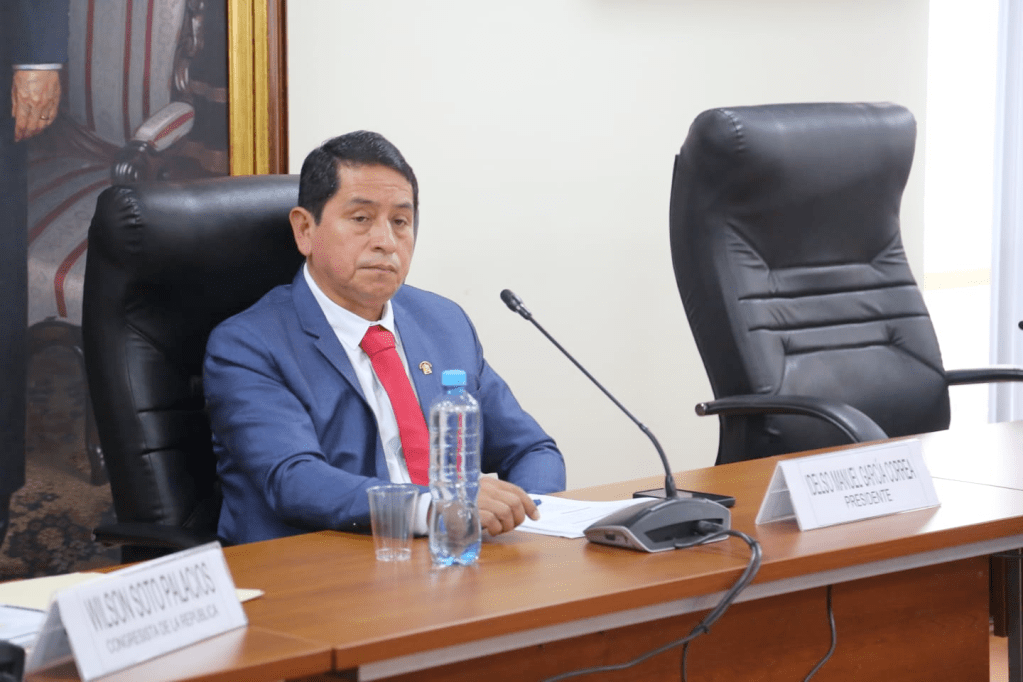
During the presentation, the president of the commission, Idelso García Correa, pointed out that “after having evaluated the opinions of the competent entities, he considers it viable to modify article 8, paragraph m) of Law 30021, Law for the Promotion of Healthy Eating for children and adolescents”.
“The purpose, he emphasized, is to clearly establish that images of natural products should not be shown if they are not.”
“The clarifications that the substitute text contained in this opinion makes to Law 30021, have a positive impact not only for the most vulnerable consumers, such as this minor age group, but also benefits the State,” he said.
In its sole article, the opinion modifies literal m) of article 8 of Law 30021, Law for the Promotion of Healthy Eating for Children and Adolescents, in order to make such precision.

Honduras – ARSA publishes version 2024 of the Food and Beverage Sanitary Control Regulation
The Health Regulation Agency (ARSA in Spanish) has published the 2024 version of the Regulation for the Sanitary Control of Food and Beverages, which incorporates updates on food safety matters (establishments that produce, store and transport food and beverages).
Honduras – ARSA publishes new Regulations for Sanitary Surveillance and Inspection
The Health Regulation Agency (ARSA in Spanish) has published the Regulations for Health Surveillance and Control. The new regulation establishes the rules for the supervision, review, verification, oversight, surveillance and inspection of compliance with legal, technical and administrative regulations of establishments, products and services of health interest, executing the necessary policies and procedures for the application of current health regulations, in order to correct behaviors and bad practices that affect or may affect people’s health, through technical and legal processes, by means of
the imposition of preventive, corrective, promotional and sanctioning measures. Likewise, to supervise the import and export processes or any other customs regime of products for human consumption and use.
In addition, concerning physicochemical and microbiological analyses to determine the quality, safety, efficacy and innocuousness of products of sanitary interest.