By means of Joint Resolution 1/2024, Chapter XII: “Water Drinks, Water and Carbonated Water” of the Argentine Food Code is amended to include DRINKABLE VEGETABLE PREPARATION.
This type of beverage is defined as the product made from the edible part(s) of legumes and/or dried fruits and/or coconut and/or coconut and/or seeds and/or quinoa and/or amaranth and/or buckwheat and/or cereals and/or the equivalent of their flours, pastes and protein concentrates derived from the above with the addition of water and with the addition or not of other food substances.
The water used in the manufacture of these products must comply with the requirements established in articles 982 or 985 of this Code.
Month: June 2024
Bolivia – Ministry of Environment publishes the list of updated list of food species that have genetically modified organism events
The Ministry of Environment and Water has published Administrative Resolution 022/2024, which aims to update the list of food species that have events of genetically modified organisms authorized at international level for production and use as human and animal food subject to labeling (first semester -2024).
Article – Beyond the magnifying glass: new food labeling rules in Brazil
This editorial explores the significant updates to food labeling regulations in Brazil implemented by the National Health Surveillance Agency (Anvisa). The standards, outlined by RDC No. 429/2020 and IN No. 75/2020, mandate front-of-package nutritional labeling, including a magnifying glass symbol to alert consumers about high levels of added sugars, saturated fats, and sodium. These measures aim to facilitate product comparison and enhance consumer understanding, promoting healthier food choices. Compliance with these norms must be achieved by April 22, 2024, as stipulated by a judicial decision that expedited the implementation timeline, with extended deadlines for small producers and non-alcoholic beverages in returnable packaging. In addition to discussing the technical details of the changes, the editorial emphasizes the implications of the new regulations, highlighting how social, cultural, and emotional factors influence dietary choices. The text underscores the need for ongoing education and regulatory vigilance to prevent misleading information and ensure that labeling effectively contributes to public health. Lastly, it reflects on global trends in nutritional labeling and its potential to reduce chronic diseases and healthcare costs, thereby increasing awareness of the importance of healthy eating.
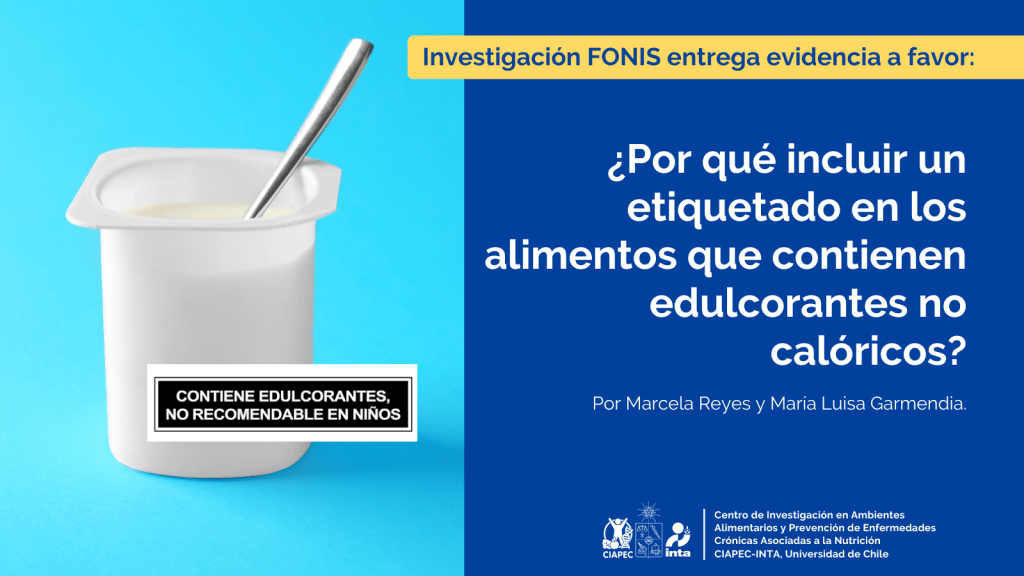
Chile – Why adding warning labeling on foods containing sweeteners is in the right direction, according to the evidence?
Marcela Reyes and María Luisa Garmendia, professors at INTA of the Universidad de Chile and CIAPEC researchers, were the researchers responsible for the FONIS “Consumption of non-caloric sweeteners in infants, preschoolers and adolescents of medium-low income after the implementation of Law 20.606”. In this article, they provide the available evidence to support the proposal of the Ministry of Health to implement a warning legend on packaged foods containing non-caloric sweeteners.
Costa Rica – Scientific Justification for Dietary Supplements Containing Hemp and its Derivatives
The Ministry of Health issues CIRCULAR MS-DRPIS-UR-0890-2024 on request for scientific justification or technical support for dietary supplements.
The scientific justification is made in the following cases:
- For all cases of dietary supplements containing hemp and its derivatives; according to Article 16 of the “Regulation to Law No. 10113, Law of Cannabis for medicinal and therapeutic use and Hemp for food and industrial use of March 02, 2022, Regulation of hemp for food and industrial use”, published by Executive Decree No. 43689-MP-MAG-S of September 7, 2022.
- For all cases of dietary supplements that include Health Claims that do not appear in Annex G and that must be evaluated by the health authority; according to Article 7.4 of the “Central American Technical Regulation RTCA 67.01.60:10 Nutritional labeling of pre-packaged food products for human consumption for the population from 3 years of age”, published by Executive Decree No. 37100-COMEX-MEIC-S of February 20, 2012.
 infoAlimentario