Brazil – The Consumer Protection Committee of the Chamber of Deputies approves the restriction of the use of recycled paper in food containers

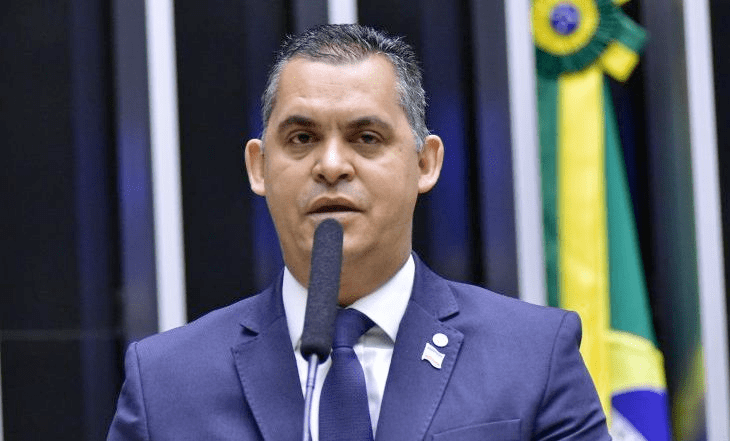
The Consumer Protection Commission of the Chamber of Deputies approved a bill that prohibits the use of recycled paper in the manufacture of packaging that comes into direct contact with food, except for material that meets the standards of the National Health Surveillance Agency (ANVISA in Portuguese).

PL 4068/21, by former congressman Carlos Bezerra (MT), was approved with the favorable opinion of congressman Gilson Daniel (Podemos-ES), who presented an amendment.

The original proposal prohibits the use of common recycled paper in food product packaging. The amendment allows the use of materials authorized by ANVISA. The measure is included in Decree-Law 986/69, which established rules on food registration and control.

Brazil – ANVISA publishes amendment to the regulation of food additives and technology aids

The National Health Surveillance Agency (ANVISA in Portuguese) has published Resolution – RDC No. 826/2023, which amends the Resolution of the Collegiate Council – RDC No. 778/2023, which establishes the general principles, technological functions and conditions for the use of food additives and technological aids in foods.

The maximum tolerable residual limit of ethylene oxide in food additives is established at 0.01 mg/kg, expressed in ethylene oxide and determined based on the sum of the amounts of ethylene oxide and 2-chloroethanol multiplied by 0. 55 (ethylene oxide + 2- chloroethanol x 0.55).

Article – Expectation in the implementation of healthy taxes in Colombia, from the experience of Chile and Mexico

Taxation in Colombia has been changing in recent years, currently the creation of two new taxes with Law 2277 of 2022, such as the tax on sugar-sweetened ultra-processed beverages and the tax on ultra-processed food products, which begin to apply from November 1, 2023, which generate expectations on how they will be accepted in the population both among producers, marketers and consumers; and if they will reach the expected collection in favor of the State.
In this article we studied the tax regulations of countries such as Chile and Mexico, where these taxes were implemented years ago and, according to experts, with the passage of time the objective of reducing the consumption of ultra-processed foods and beverages was achieved. With respect to Colombian legislation, Law 2277 of 2022 and the labeling law were consulted, which complement each other to discourage consumption by increasing prices and providing nutritional information on food to the population.
It is concluded that like Chile and Mexico, in Colombia these taxes implemented over time will show favorable results. The actions that countries have taken with the implementation of taxes arise from the recommendations of the World Health Organization (WHO), due to the high level of diseases related to inadequate nutrition, affecting productivity, life expectancy and the nation’s budget, causing the state to allocate more resources in health for diseases that could be prevented.

Argentina – Authorization of probiotics, prebiotics and foods with these ingredients

The National Administration of Medicines, Food and Medical Technology (ANMAT in Spanish) makes available to professionals and anyone interested, the information to request the authorization of probiotics, prebiotics and foods with probiotics and / or prebiotics, which has been recently updated on our website.

Through ANMAT Provision No. 2873/2012, updated by ANMAT Provision No. 5893/2021, the Pre and Probiotics Evaluation Commission is formed, which is in charge of evaluating applications for these ingredients within the framework of Articles 1389 and 1390 of the Argentine Food Code.

Paraguay – INAN publishes the approval of the Technical Regulation Safety and Quality Requirements for Milk and Dairy Products

INAN publishes the approval of the Technical Regulation “Safety and Quality Requirements for Milk and Dairy Products

The National Institute of Food and Nutrition (INAN in Spanish) has announced Resolution S.G. No. 747/2023, which approves the “Technical Regulation that establishes Safety and Quality Requirements for Milk and dairy products to be marketed in the country; and provides general rules.
The National Institute of Food and Nutrition is designated, within its area of competence, as responsible for the provisions of this Resolution.